ASEAN Meets to Deepen its Common Approach and Position to Implement the Human Right to Development and Consult on the Proposed ASEAN Declaration on Promoting the Right to Development and Peace Towards Realising Inclusive and Sustainable Development
Kuala Lumpur, Malaysia, 28 April 2025: Today, ASEAN stands proudly as the world’s fifth-largest market with the third-largest labour force. By 2030, ASEAN is projected to become the fourth-largest economy globally. Yet, ASEAN faces a complex and evolving security landscape – geopolitical and geo-economic tensions, internal conflicts, transnational organised crime, climate change, the rise of artificial intelligence (AI) technologies, and natural disasters. These pose persistent challenges and threats to the people’s human right to development and peace, and a strong, balanced human rights-based approach to address them is crucial.
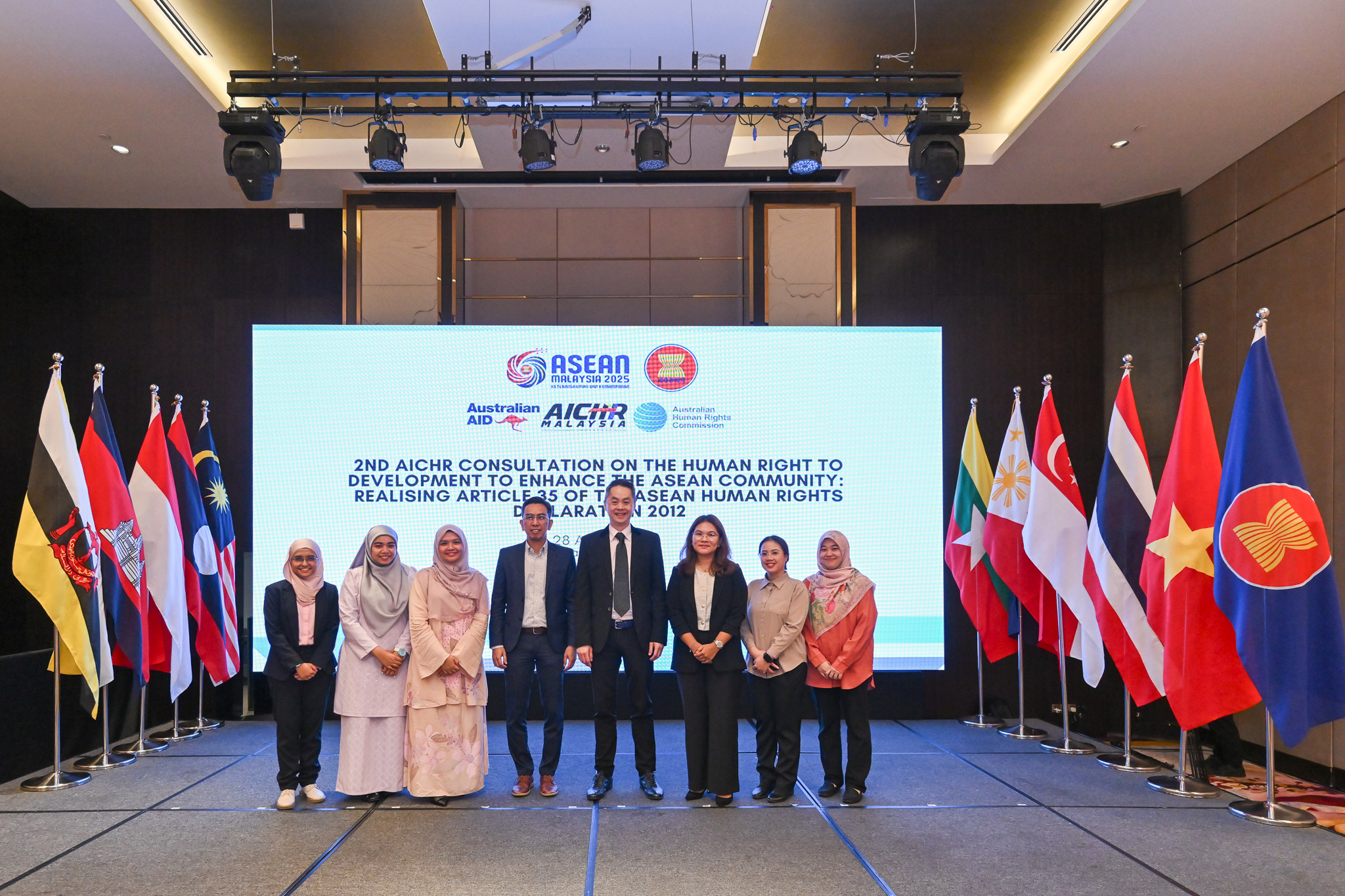
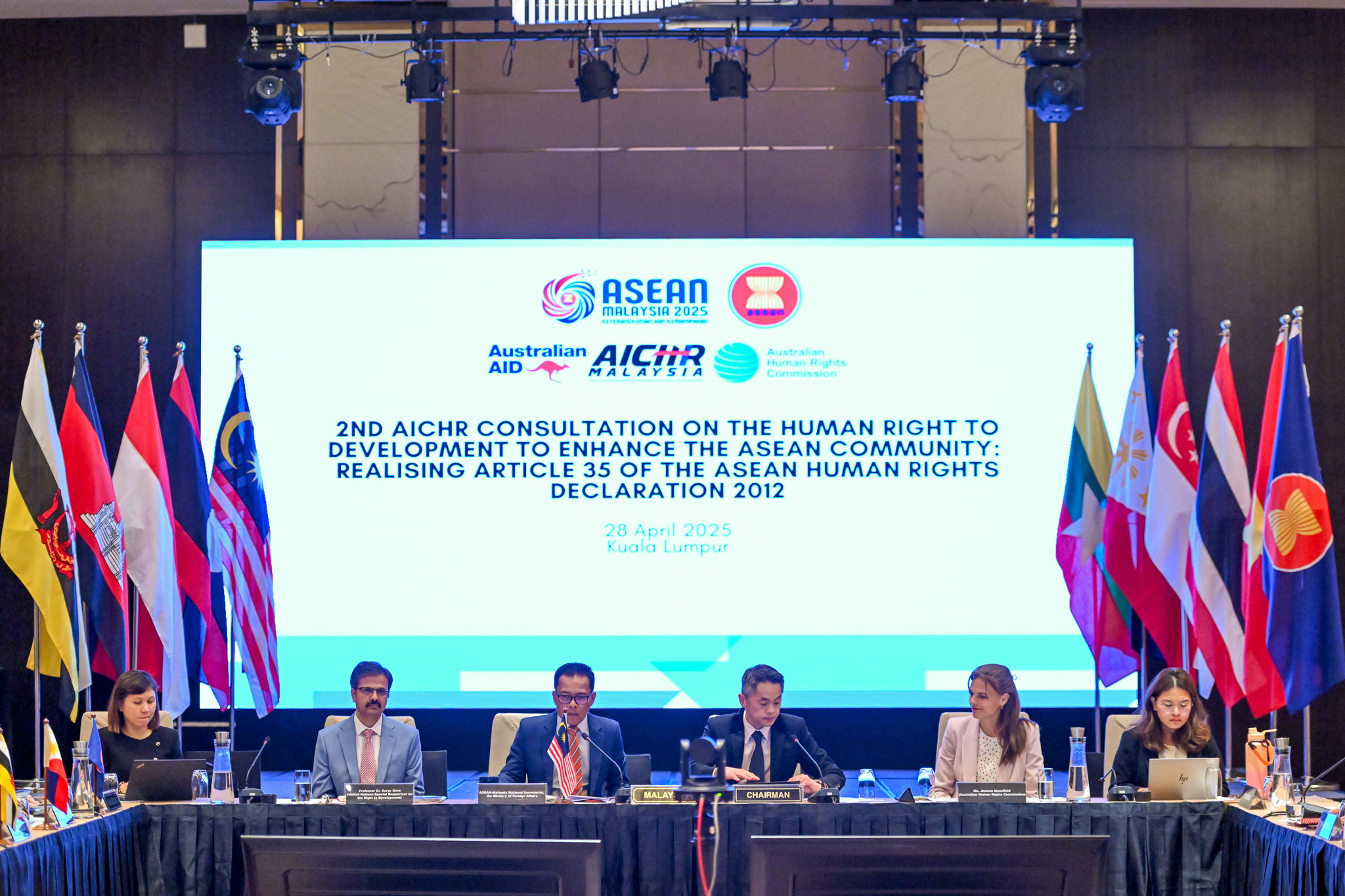
The ASEAN Intergovernmental Commission on Human Rights (AICHR) thus convened the 2nd AICHR Consultation on the Human Right to Development to Enhance the ASEAN Community: Realising Article 35 of the ASEAN Human Rights Declaration 2012. The consultation follows the first consultation held from 11 to 12 November 2019 in Jakarta, Indonesia.
The Jakarta consultation introduced aspects of the right, debated the origins and took stock of ASEAN’s progress in realising the right. There were several different approaches to the right to development presented then: one, the human rights approach; two, the development approach; three, the people approach; and four, the State approach. Key recommendations from that consultation included monitoring and reporting on the implementation of the right to development, addressing emerging threats such as inequality and cross-border issues, gathering data across ASEAN to shape policies, providing a platform for grievances, and working with the private sector and the ASEAN Business Advisory Council (ABAC) to mainstream human rights in business.
This time, the Kuala Lumpur consultation deepened ASEAN deliberations towards adopting a common approach and position to protect the right to development and linking it with the right to peace. ASEAN Member States recognise both rights under Articles 35, 36, 37 and 38* of the ASEAN Human Rights Declaration 2012 (AHRD). In particular, the consultation focused on ways for ASEAN to provide a regional platform to operationalise the implementation of the right to development as a priority.
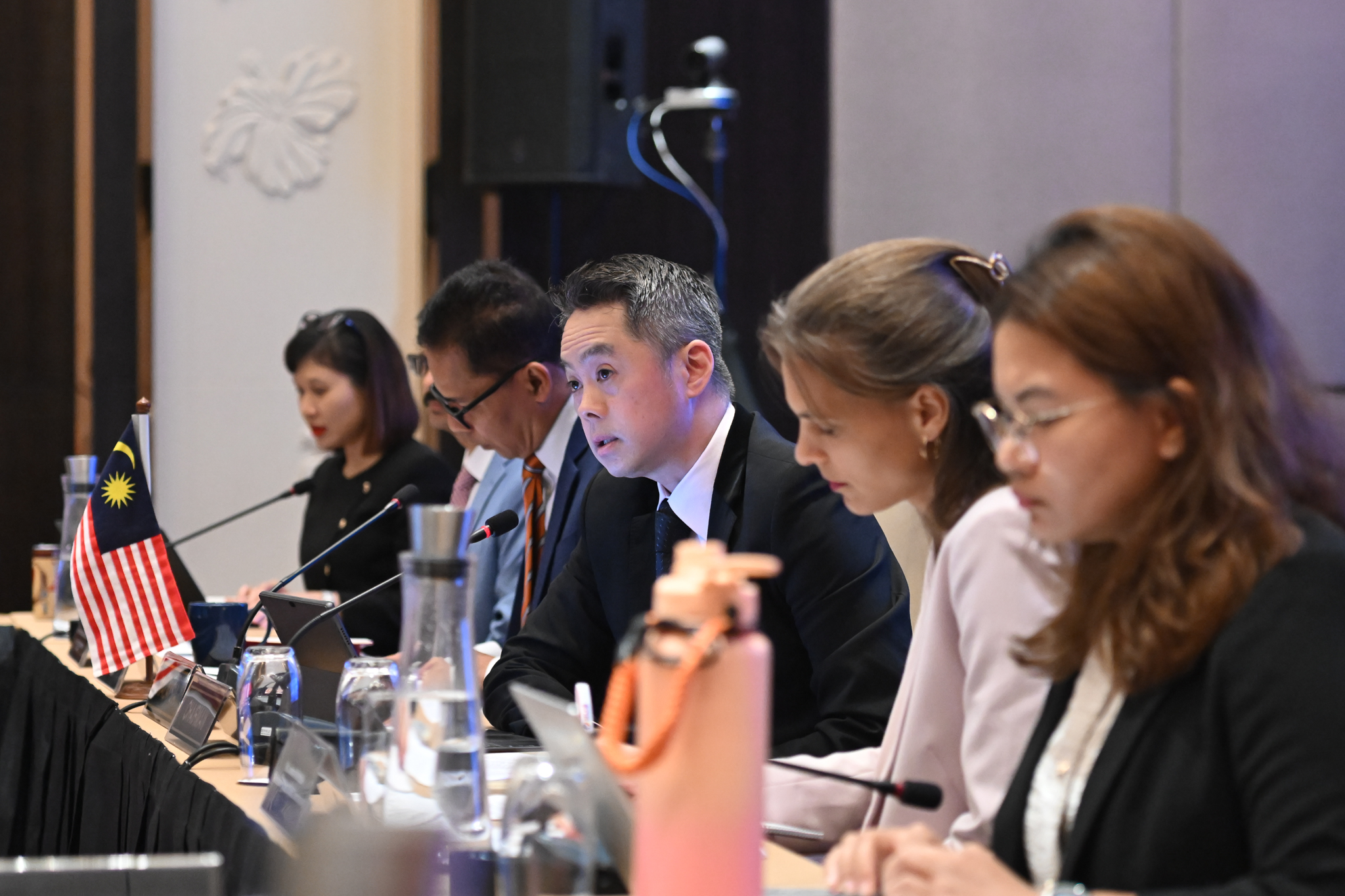
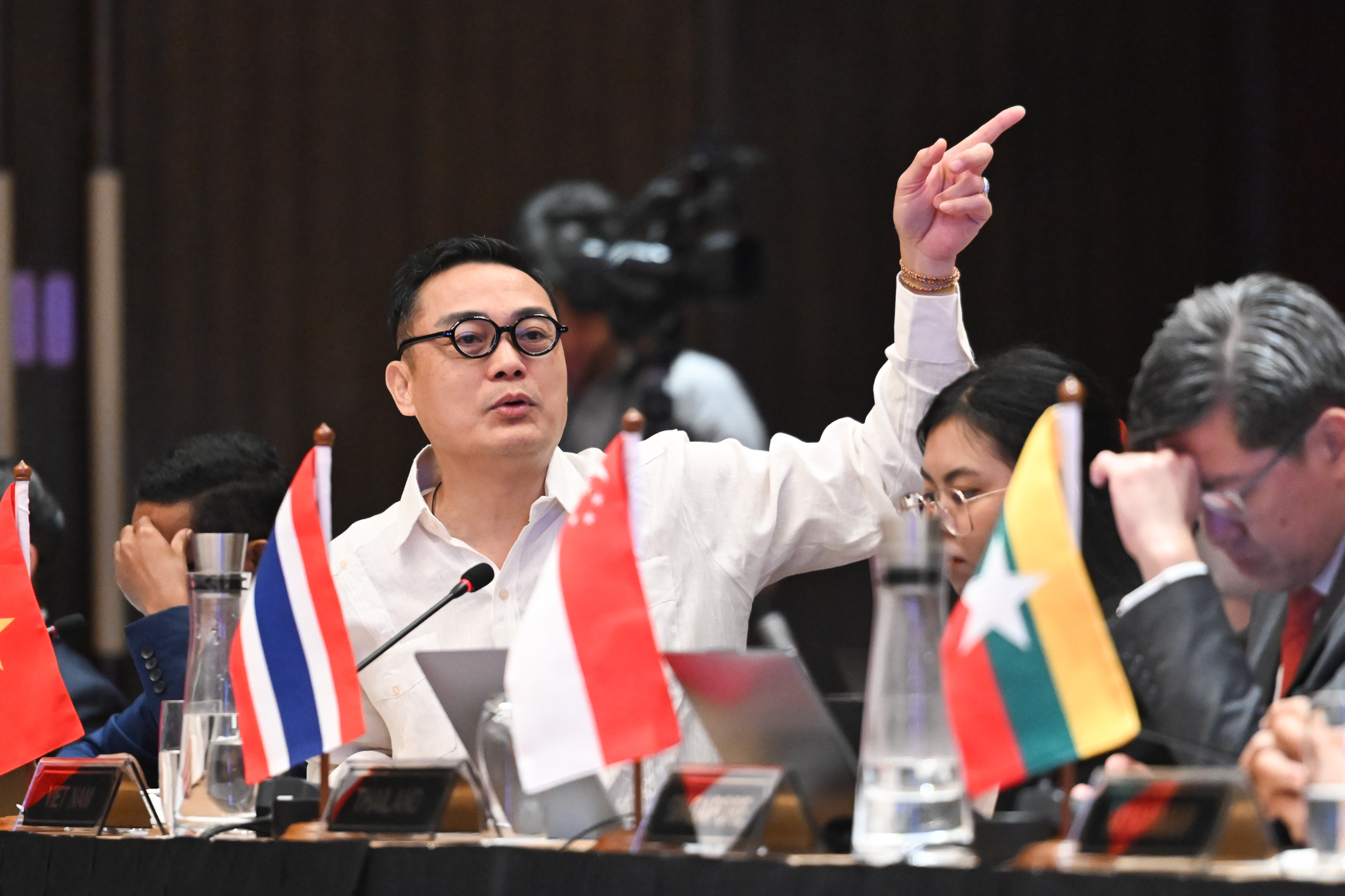
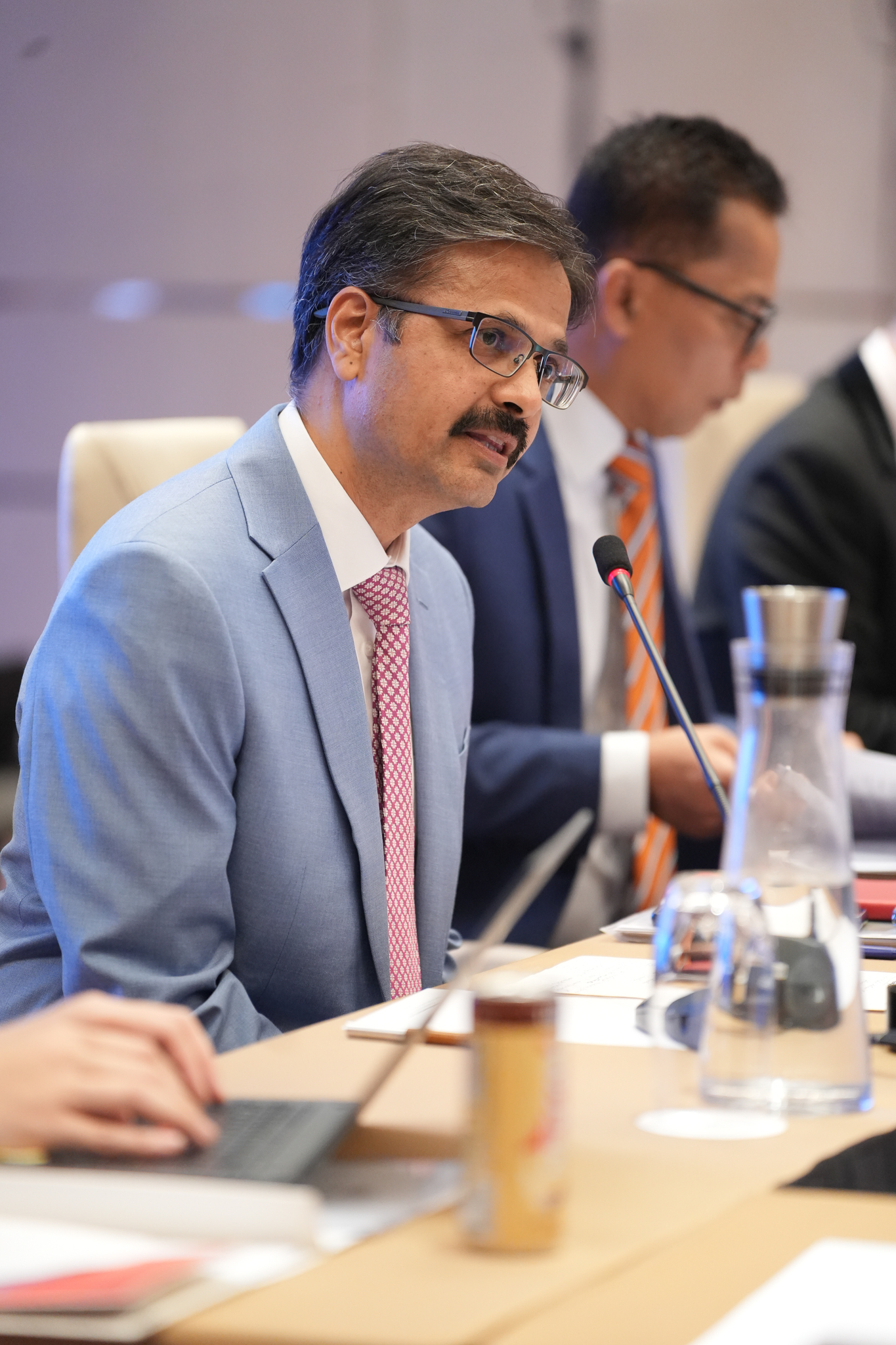
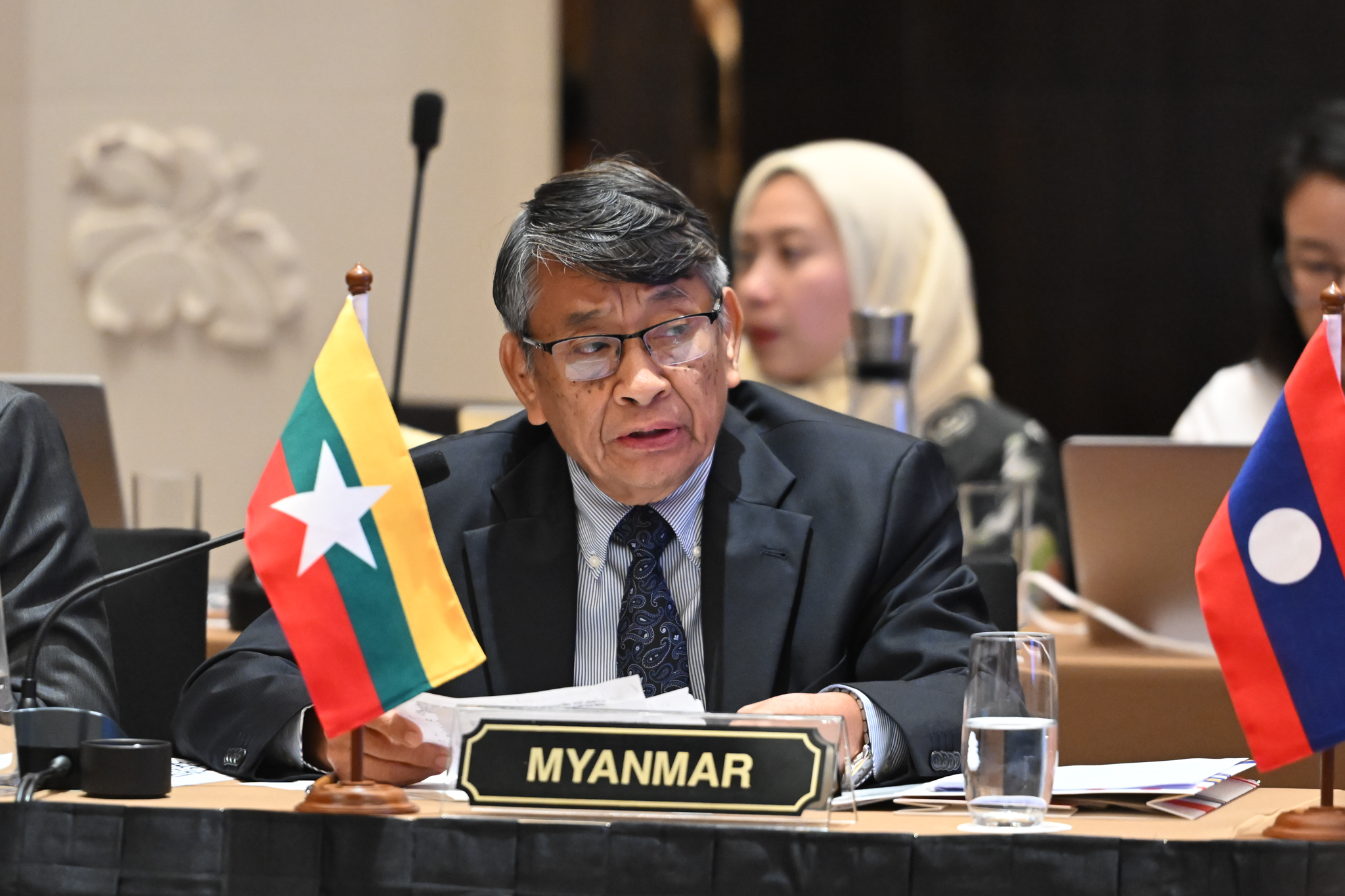
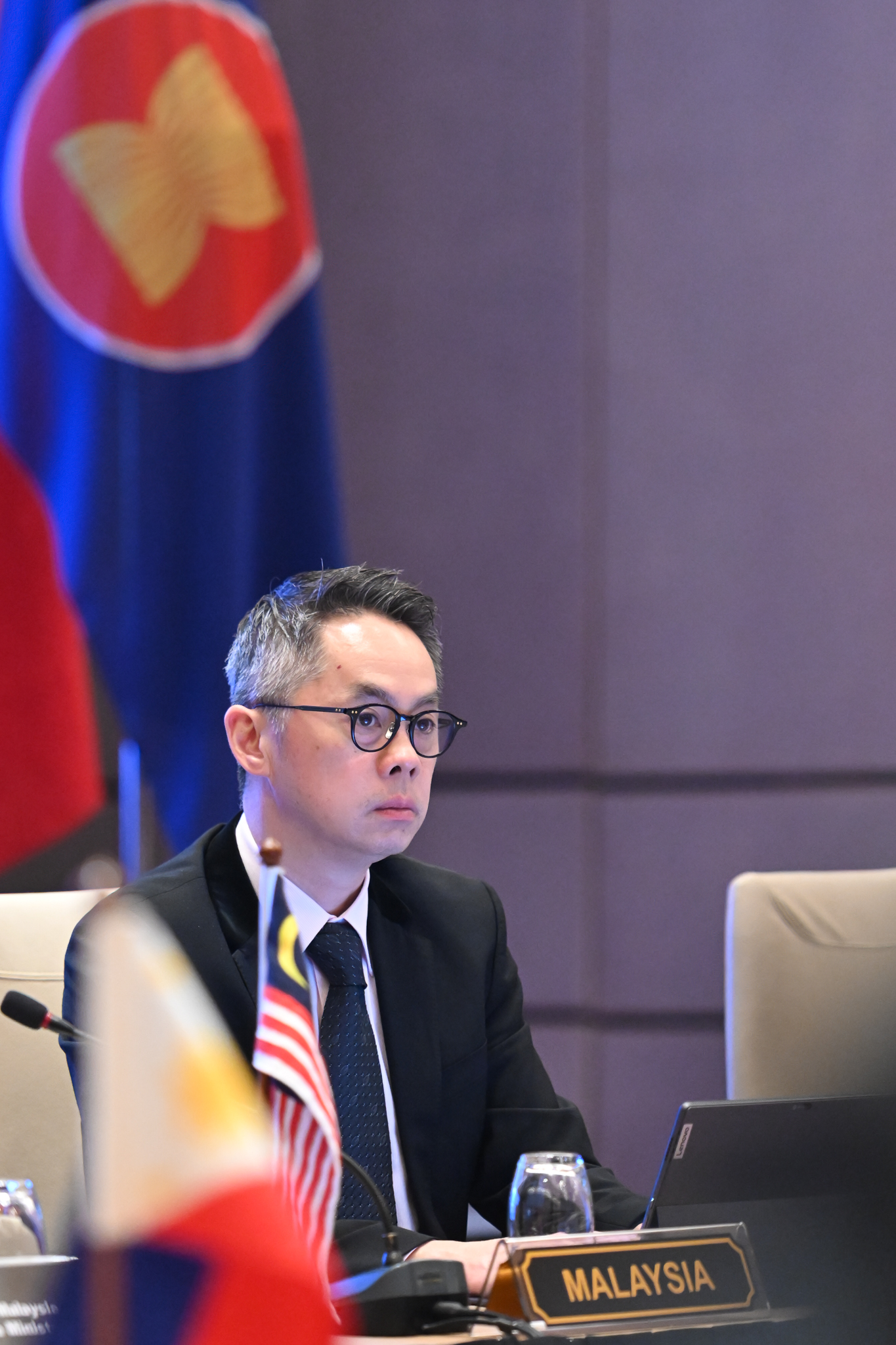
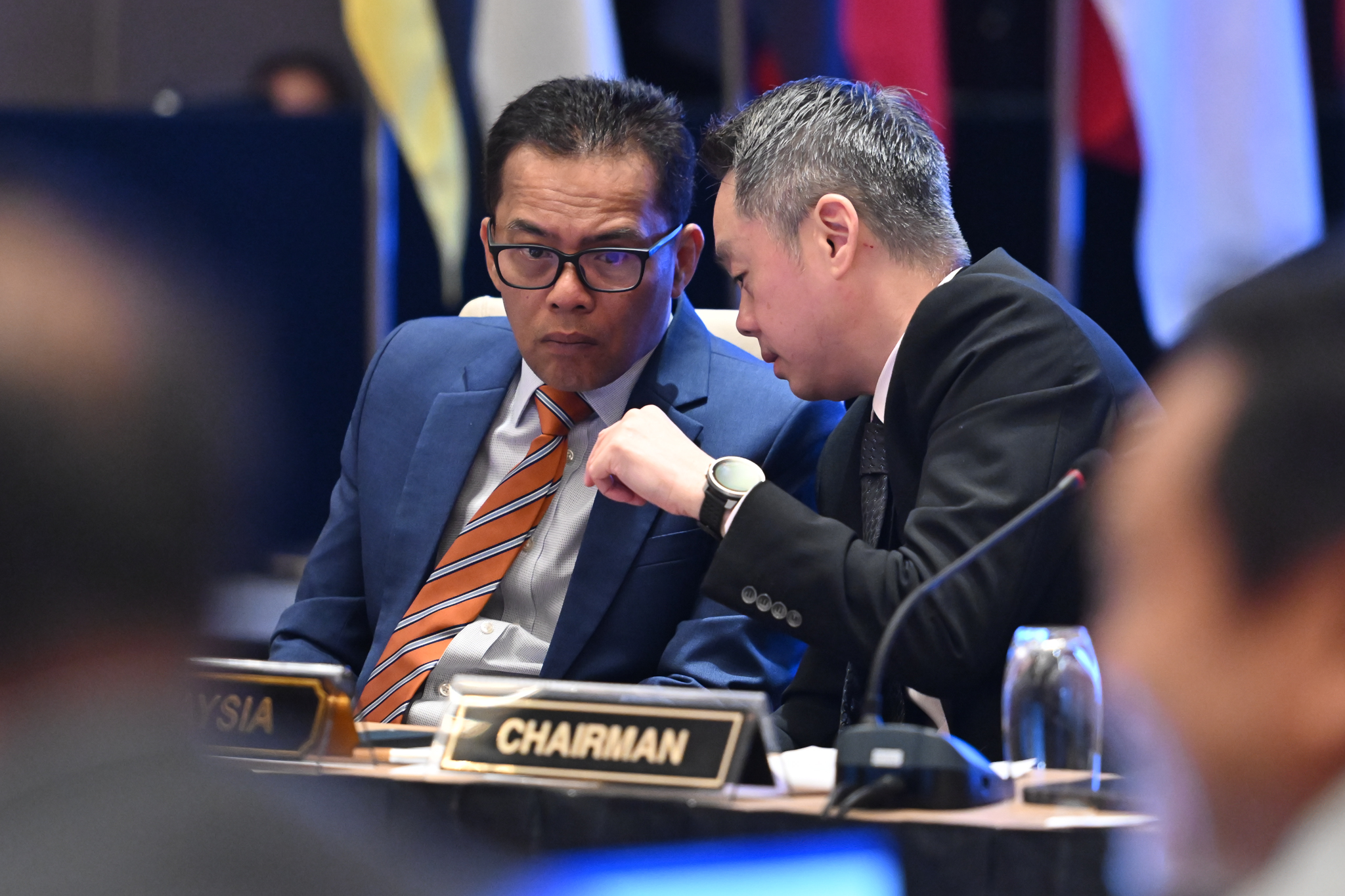
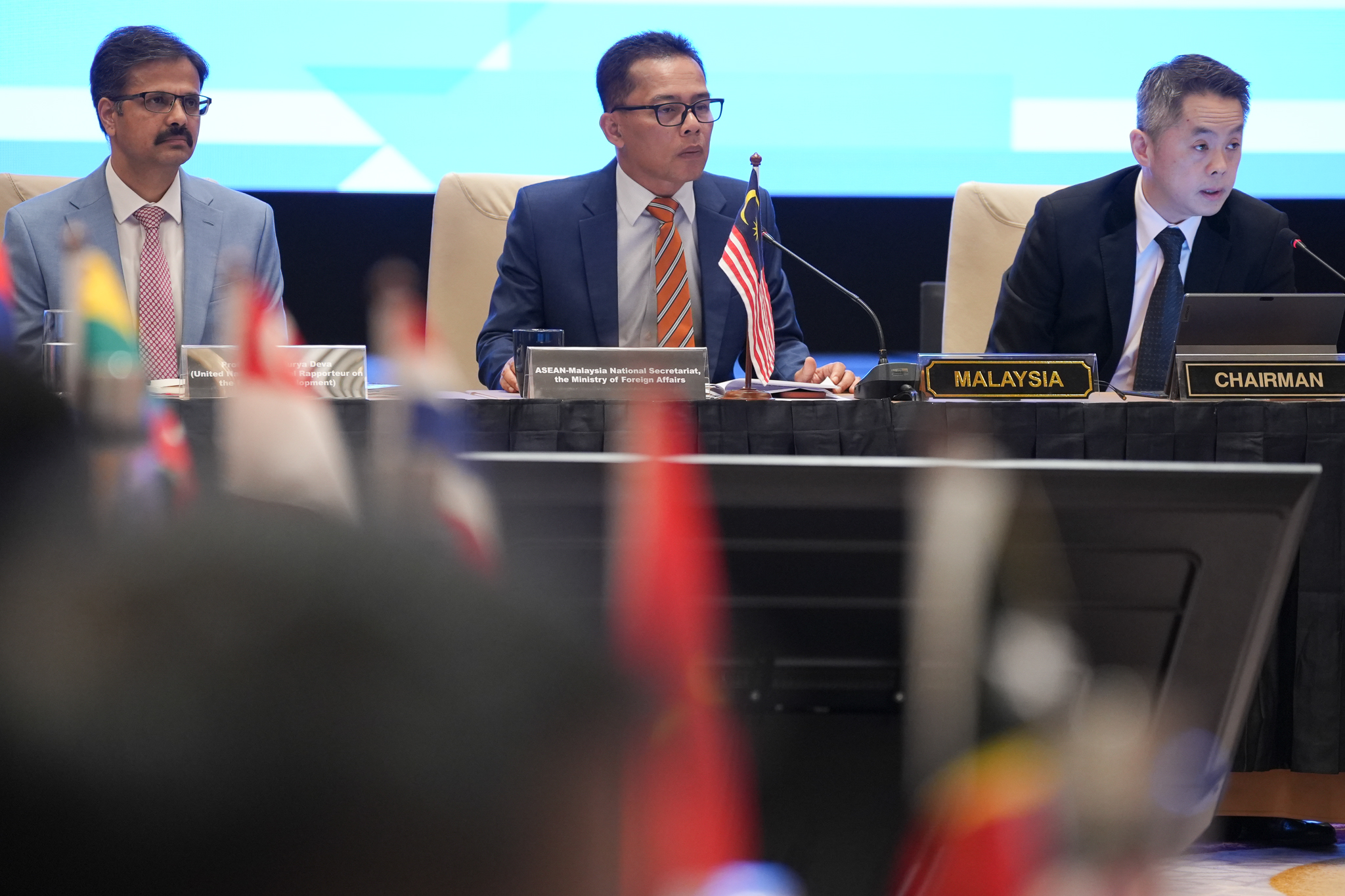
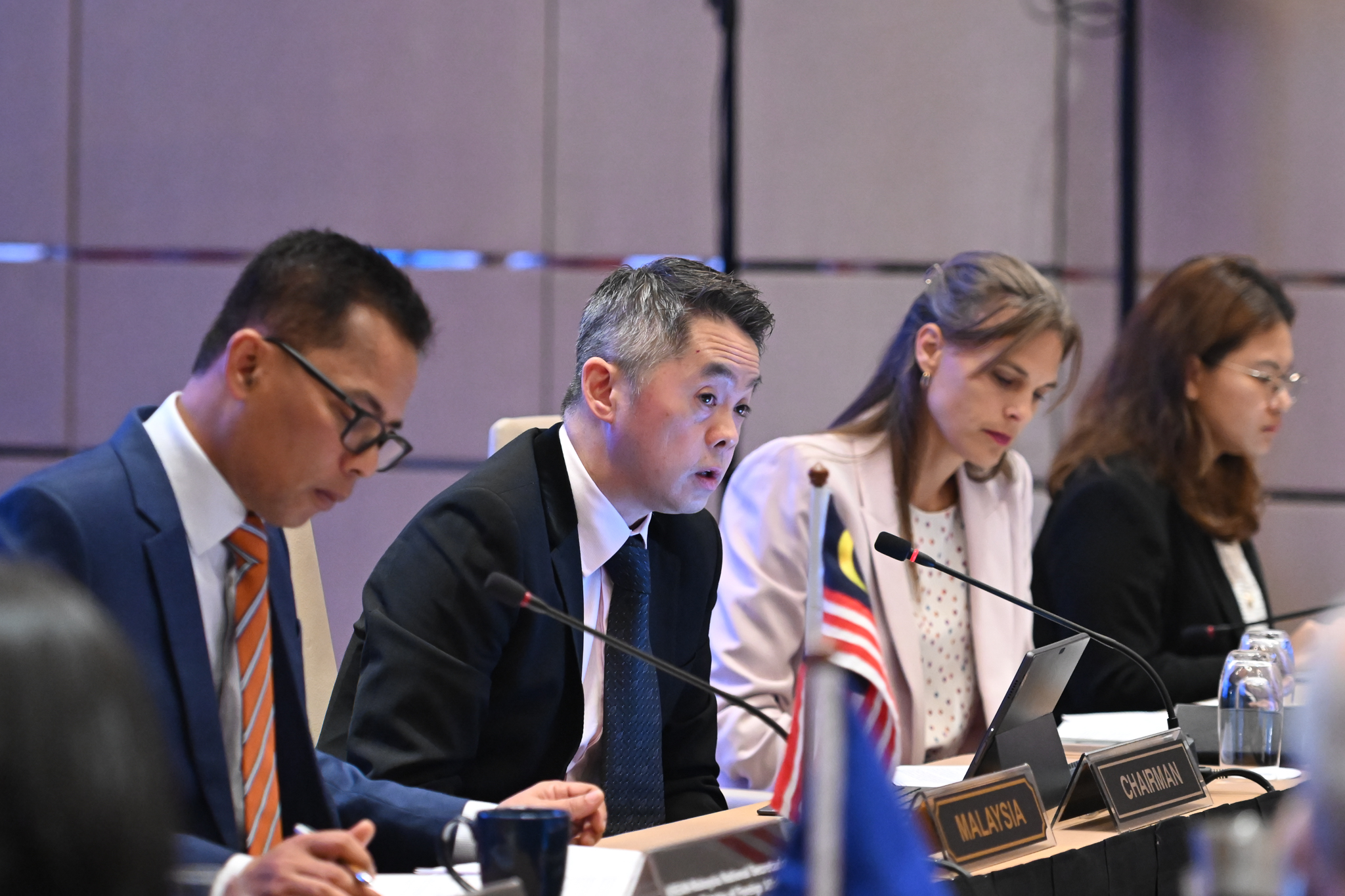
Led by Edmund Bon Tai Soon, the current AICHR Chair and Representative of Malaysia to the AICHR, the consultation highlighted the importance of the right to development in all its facets and how the right relates to inclusive, equitable and sustainable development, poverty alleviation, environmental protection, and ASEAN peace. These matters were emphasised as core matters in AICHR’s human rights agenda.
“Development has always been a central theme in ASEAN. Its importance becomes even more profound when linked to the pursuit of peace. The peace we seek to achieve is not merely negative peace – the absence of conflict – but also positive peace, which means building the conditions for justice, equality, and lasting harmony. Positive peace requires addressing the root causes of conflict, ensuring inclusive and sustainable development, protecting human rights, and fostering societies where every individual can thrive with dignity and security,” Bon said in his opening speech.
After tracing the drafting history of the right to development and how it emerged, Bon acknowledged past criticisms of the AHRD but stressed that the inclusion of the right to development – alongside the right to peace and the right to a safe, clean and sustainable environment – was accepted by ASEAN Member States during the AHRD drafting. He referred to these as “add-value” rights that reflect ASEAN’s regional context and priorities, distinguishing the AHRD from global human rights instruments.
While there were divergent views within the region on the right to development during the negotiations of the AHRD – some focusing on state sovereignty and non-interference, and others promoting a rights-based, participatory approach, Bon noted that it is clear from Article 35 that the lack of development cannot justify human rights violations.
Bon also stated that the AICHR is pursuing the adoption of a proposed “ASEAN Declaration on Promoting the Right to Development and Peace Towards Realising Inclusive and Sustainable Development” this year. Led by Malaysia, the proposed Declaration aims to embed ASEAN’s common approach and position on the rights to development and peace, and their implementation. It will further reinforce ASEAN’s long-standing vision of inclusive growth and sustainable development.
“Yet, being an economic powerhouse is not an end by itself. The true measure of ASEAN’s success lies in how it uplifts lives – by securing basic human rights and necessities, creating equal opportunities, and ensuring that development is inclusive and sustainable in both process and outcome. …
While efforts to promote peacebuilding, preventive diplomacy, and community resilience are on-going, economic disparities and differing political systems within ASEAN continue to pose significant hurdles.
As a result, segments of our society remain vulnerable and marginalised. Their voices are often excluded from decision-making processes on issues that directly impact their lives. Consequently, they are unable to fully participate in, or benefit from, the development and peace processes in our region.
Development must be people-centred. To truly realise the right to development, we must embrace a comprehensive approach – one that continually advances well-being and ensures free, meaningful, and inclusive participation,” Bon added.
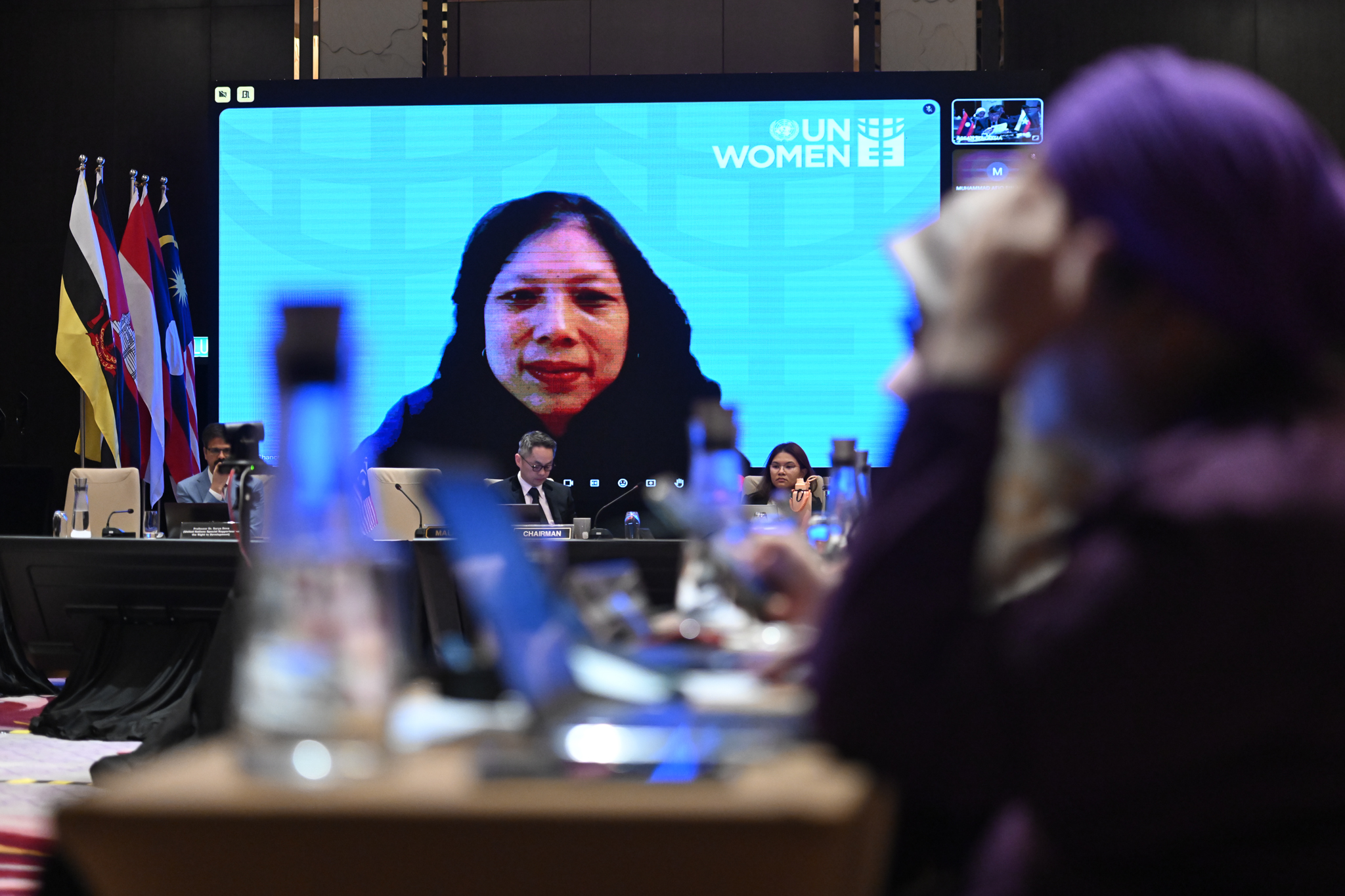
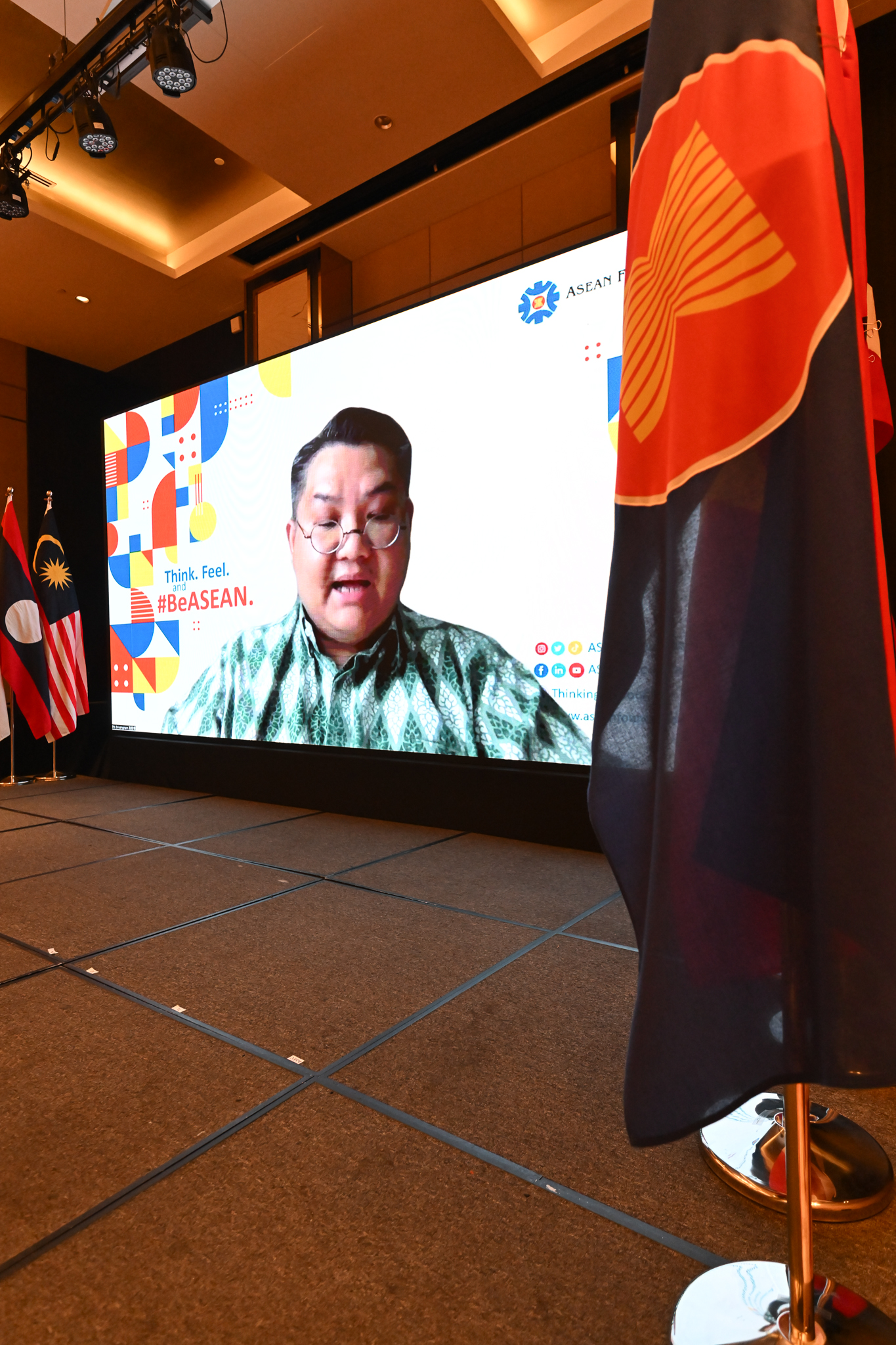
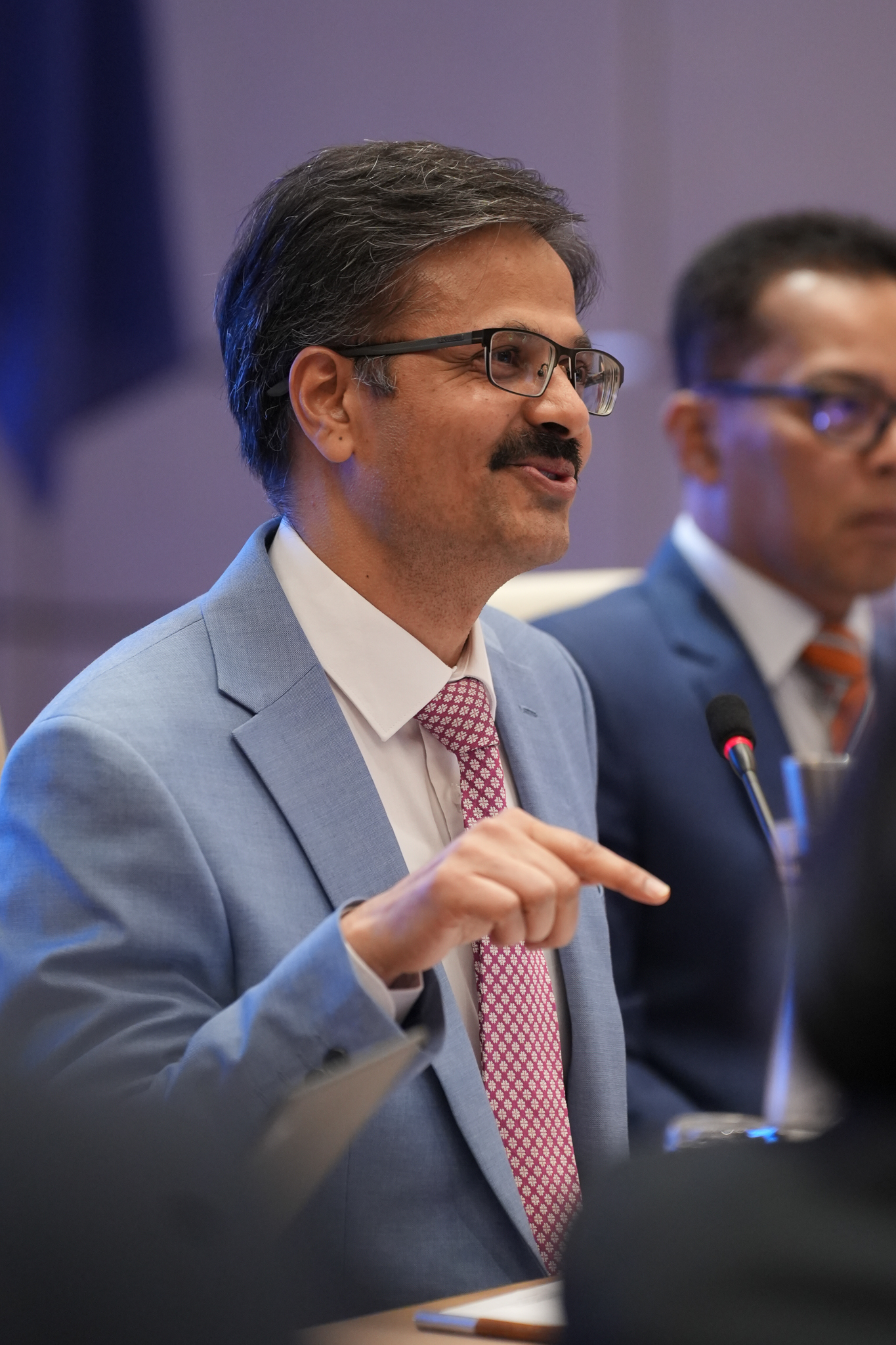
In his keynote address, Professor Dr. Surya Deva, the United Nations Special Rapporteur on the Right to Development congratulated the AICHR for its leadership in developing the rights to development and peace in ASEAN and for AICHR’s continuous efforts to engage with a diverse range of stakeholders including civil society organisations (CSOs). He said that a holistic understanding of the right to development provides a transformative pathway to overcome multiple challenges that the world is facing.
Through the right to development, ASEAN can take the lead in these times of emerging “world disorder” and promote free, active and meaningful participation of the people of ASEAN in decision-making processes. He offered an illustrative list of five serious challenges: worsening inequalities, breached planetary boundaries, the highest number of conflicts, top-down decision-making and collapse of multilateralism.
Further, Professor Deva outlined the conceptual framework of the right to development based on international human rights law and standards as follows (1-2-3-4-5):
(1) It is a human right;
with
(2) two dimensions: individual and collective;
(3) three elements: the ability of individuals to participate in, contribute to, and enjoy the right (and benefit equitably and sustainably);
(4) four facets: economic, social, cultural and political development; and,
(5) five principles: self-determination, intersectionality, intergenerational equity, fair distribution and international cooperation.
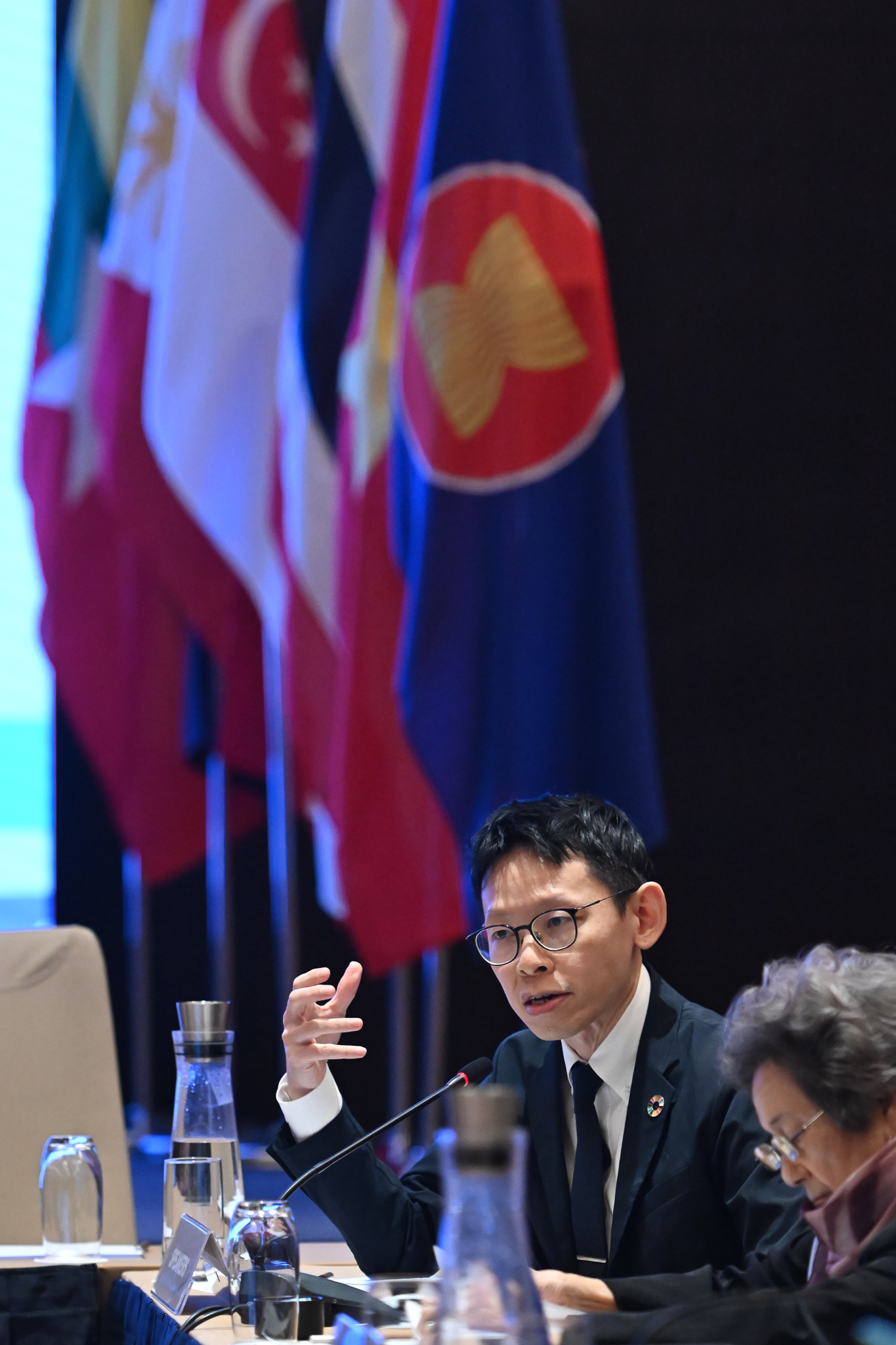
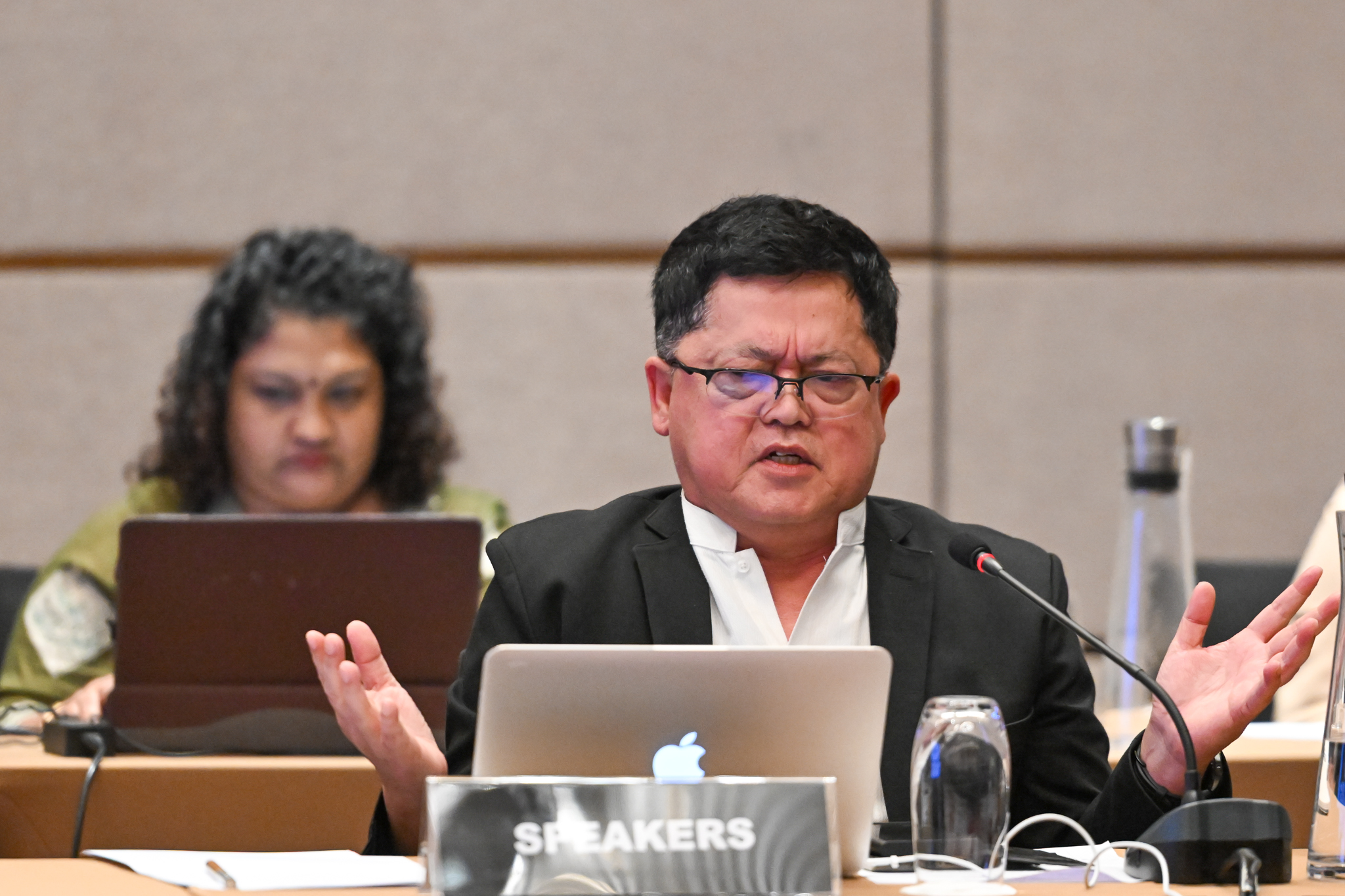
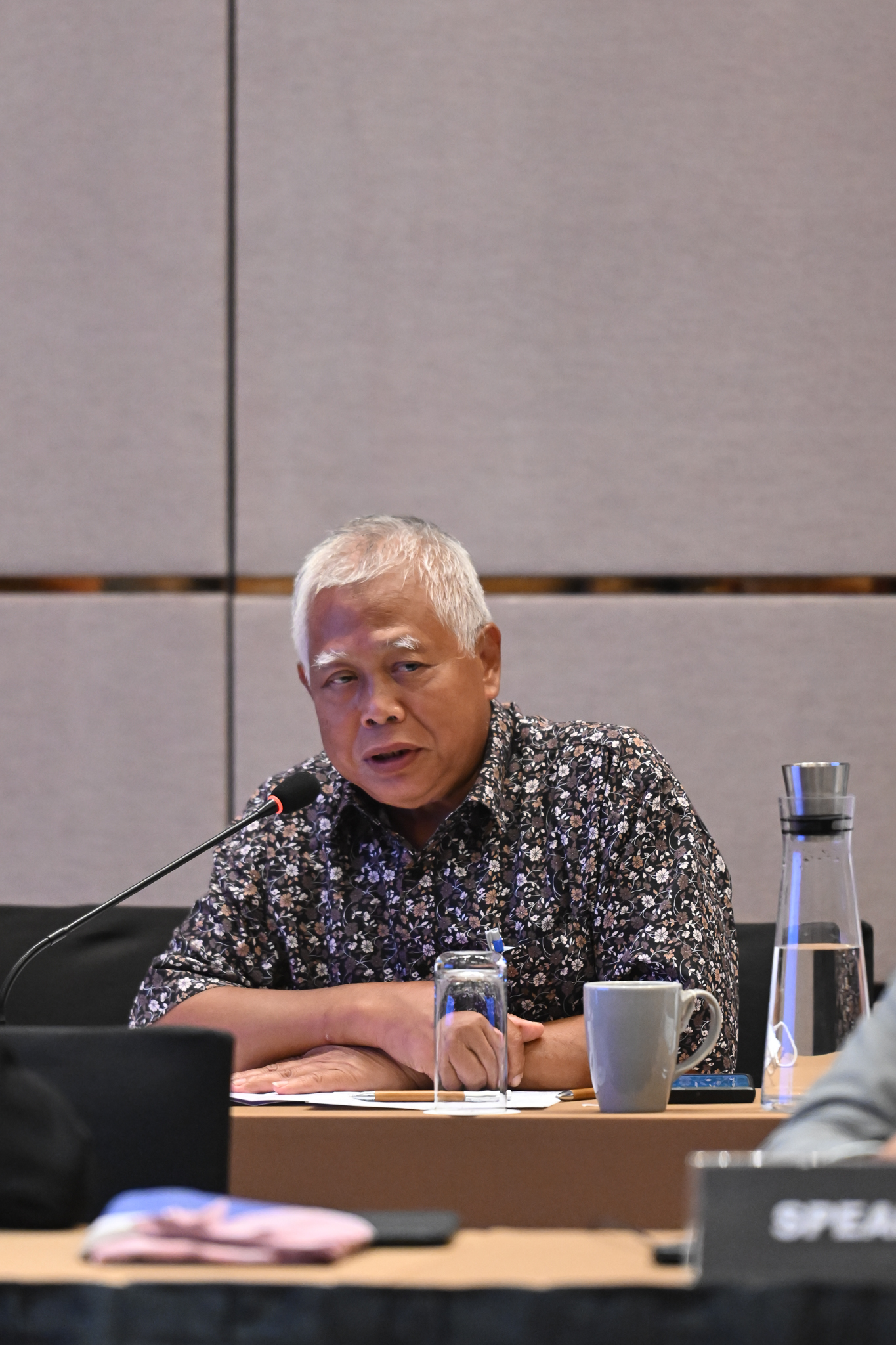
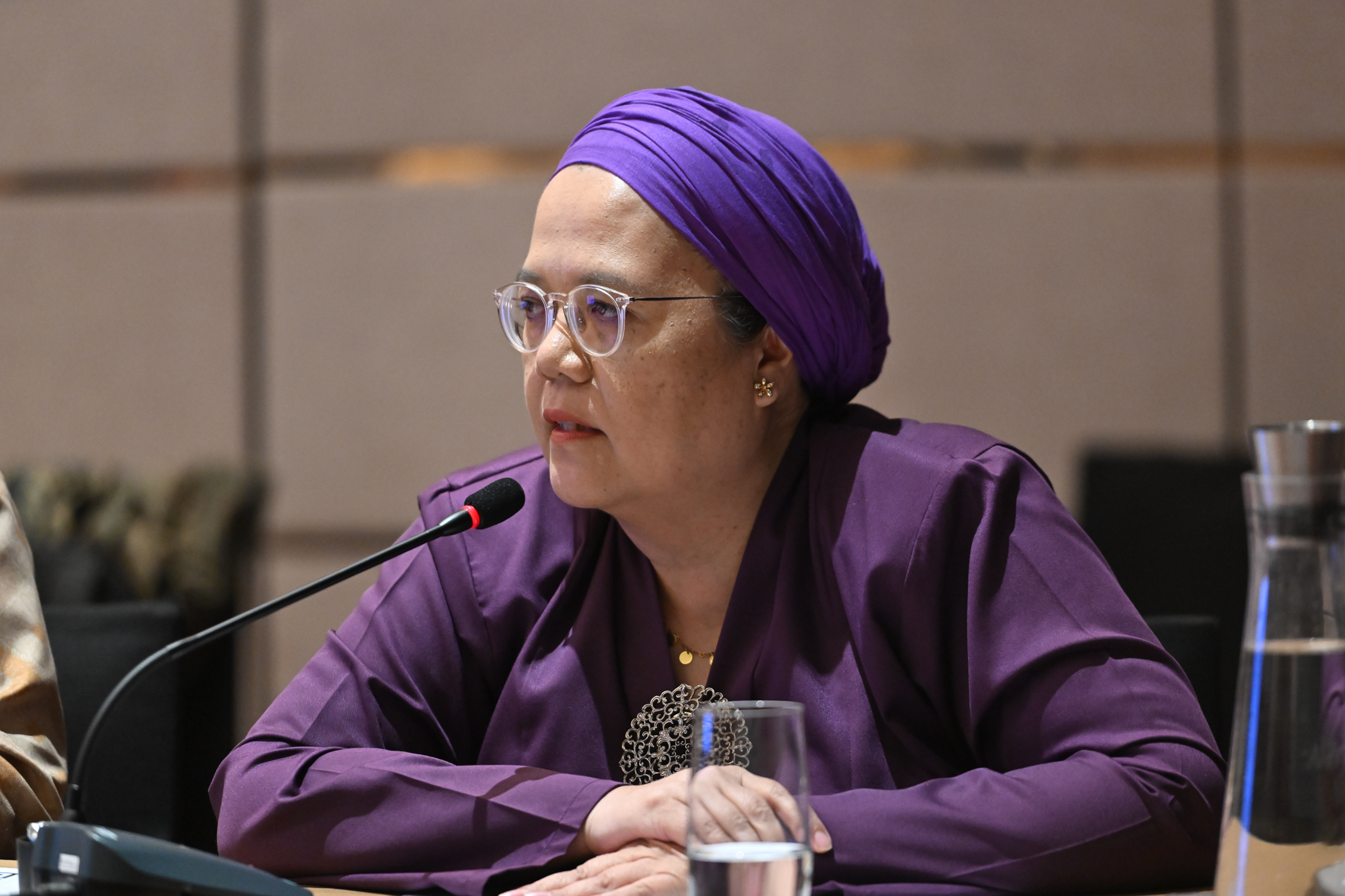
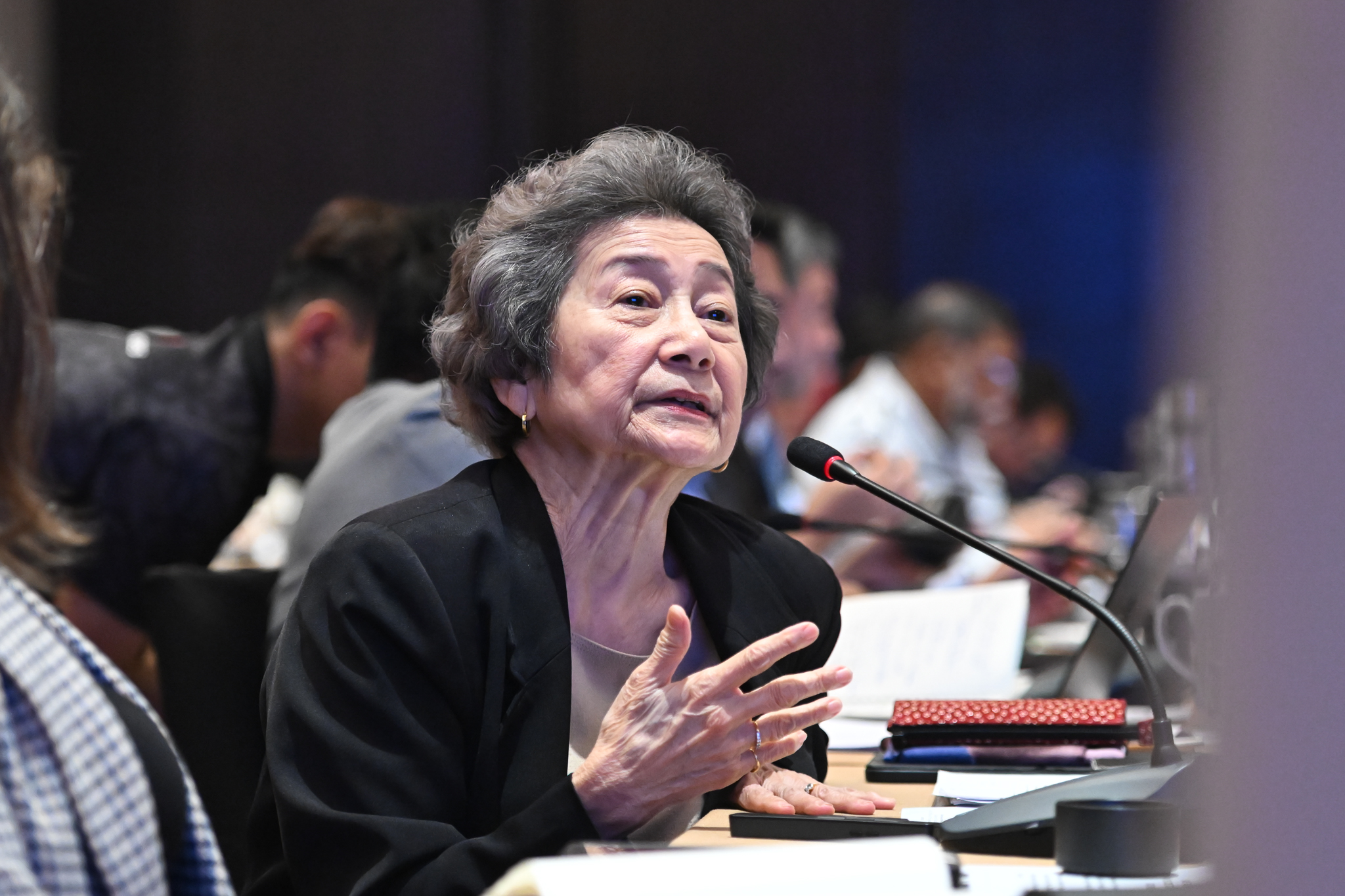
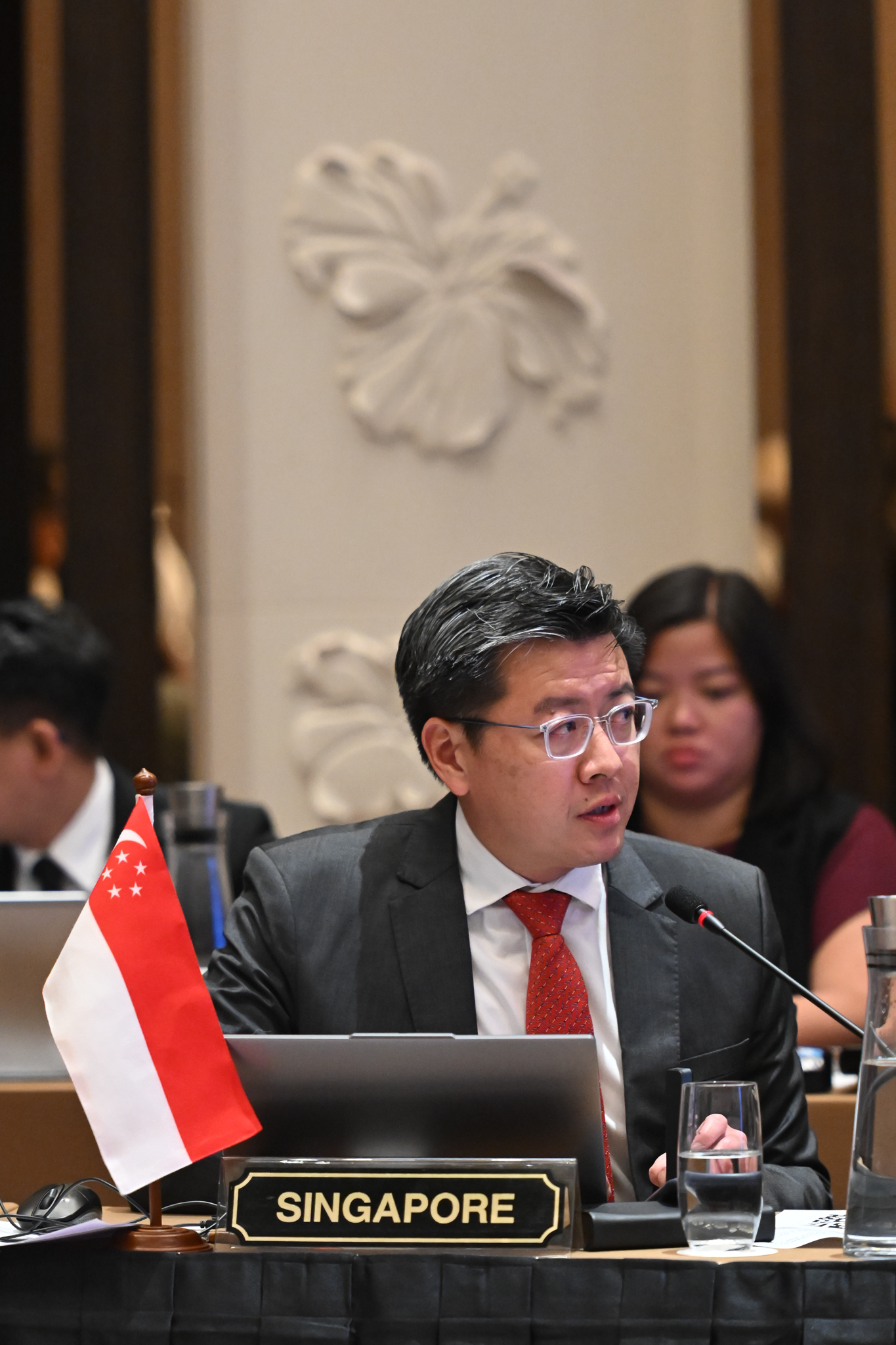
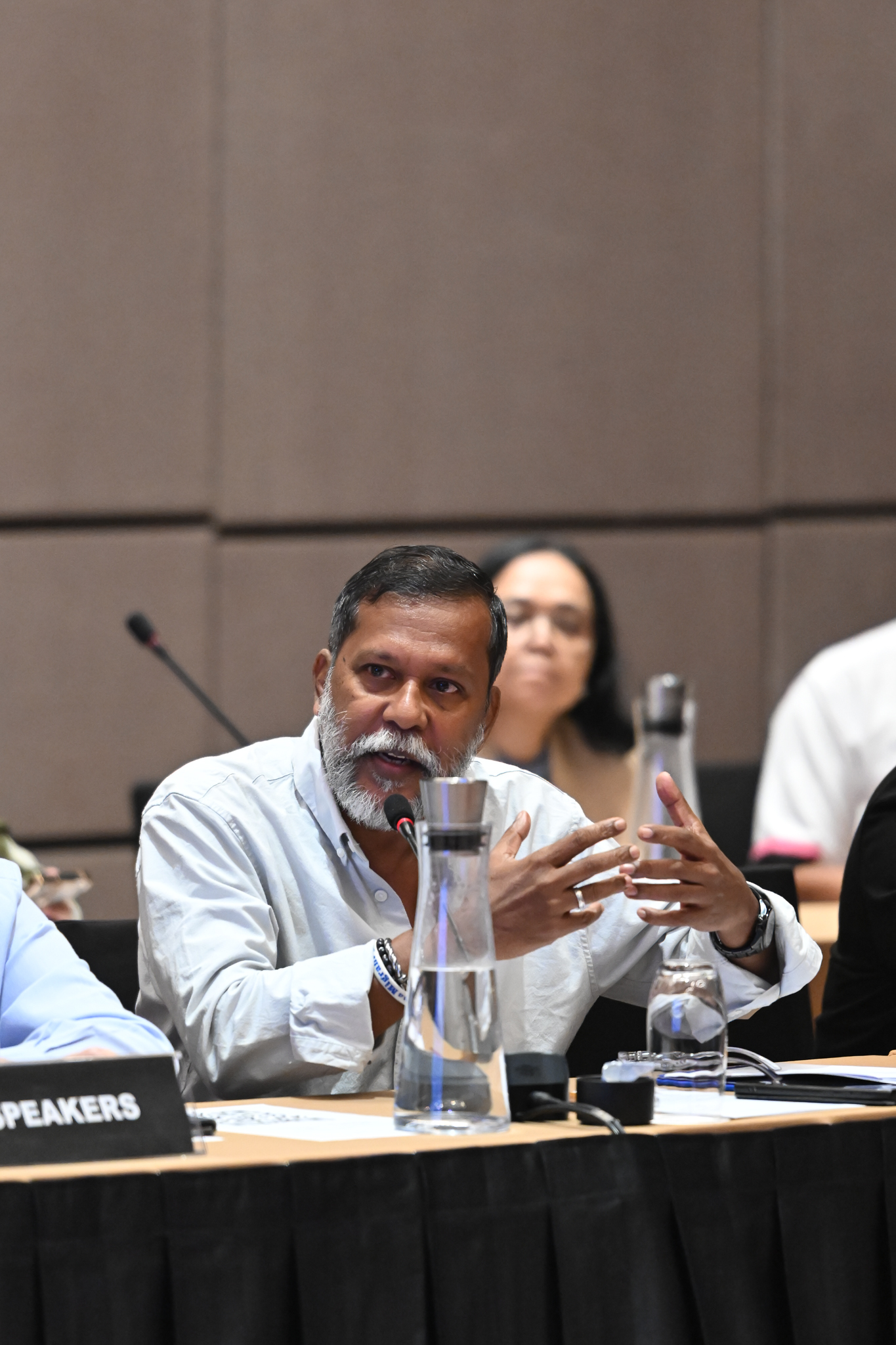
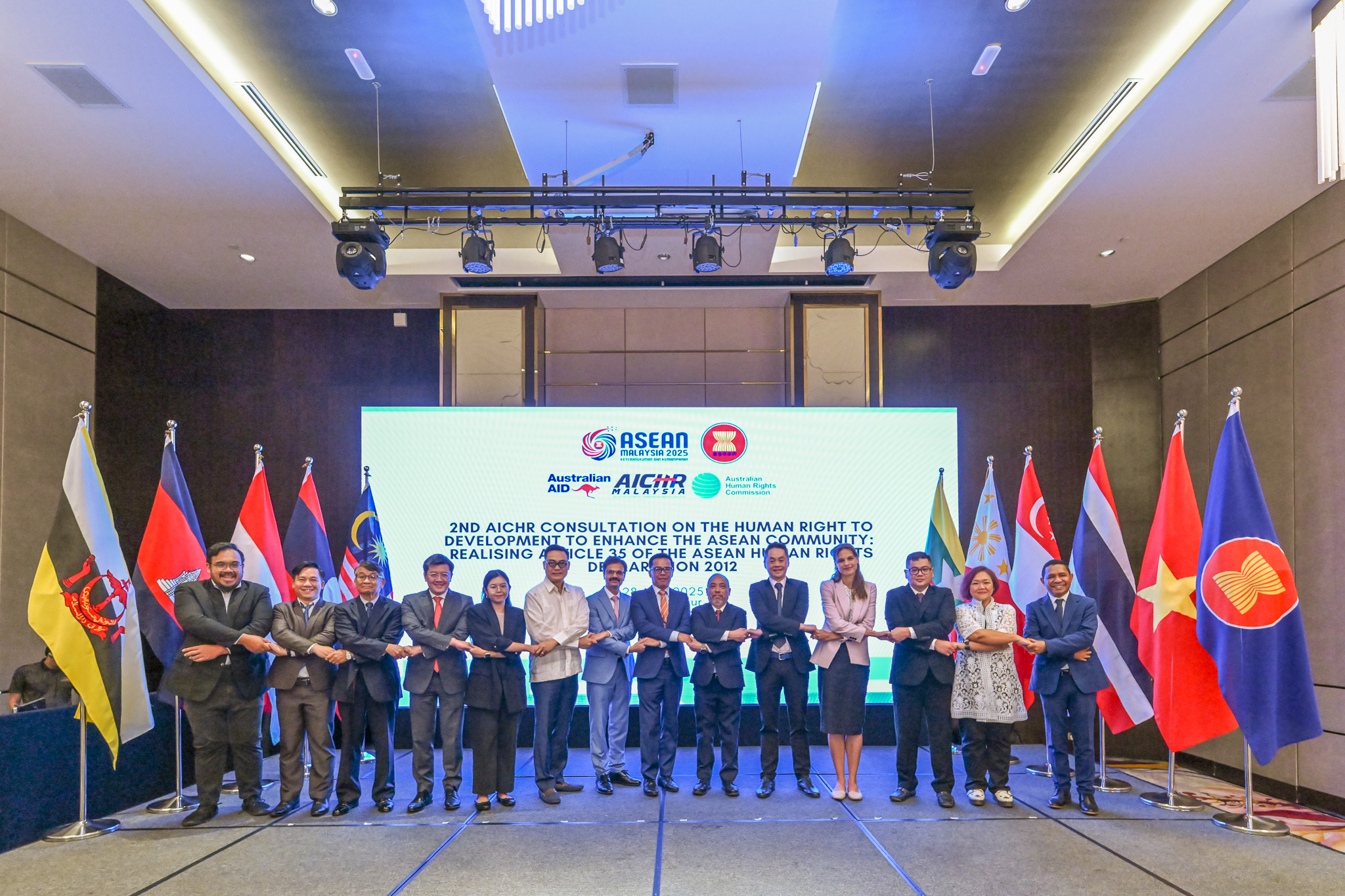
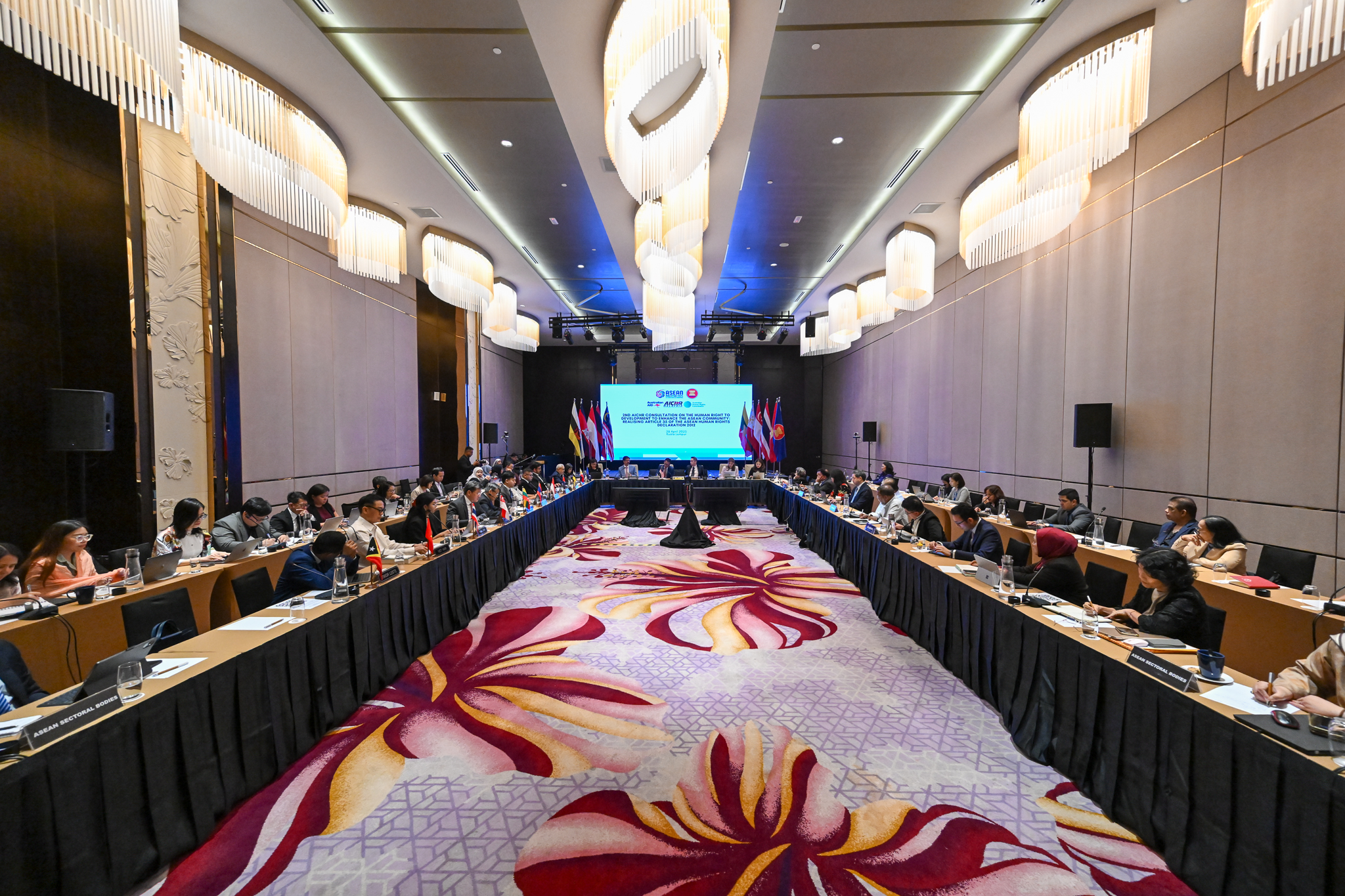
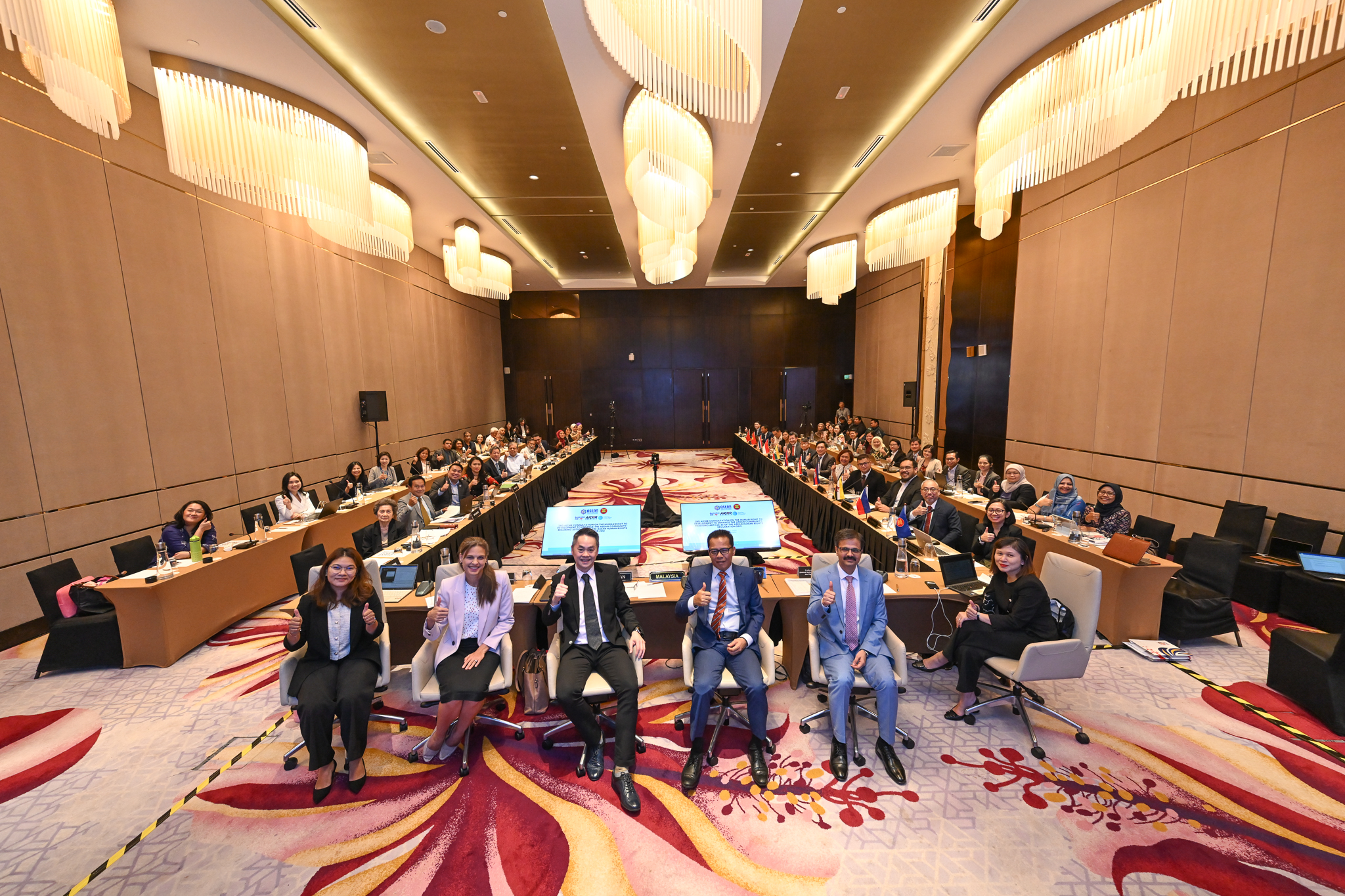
More than 60 delegates participated in the consultation. They included AICHR Representatives, Alternate Representatives and Assistants, and representatives from ASEAN sectoral bodies, entities and centres, national human rights institutions (NHRIs), CSOs, and experts from ASEAN Member States.
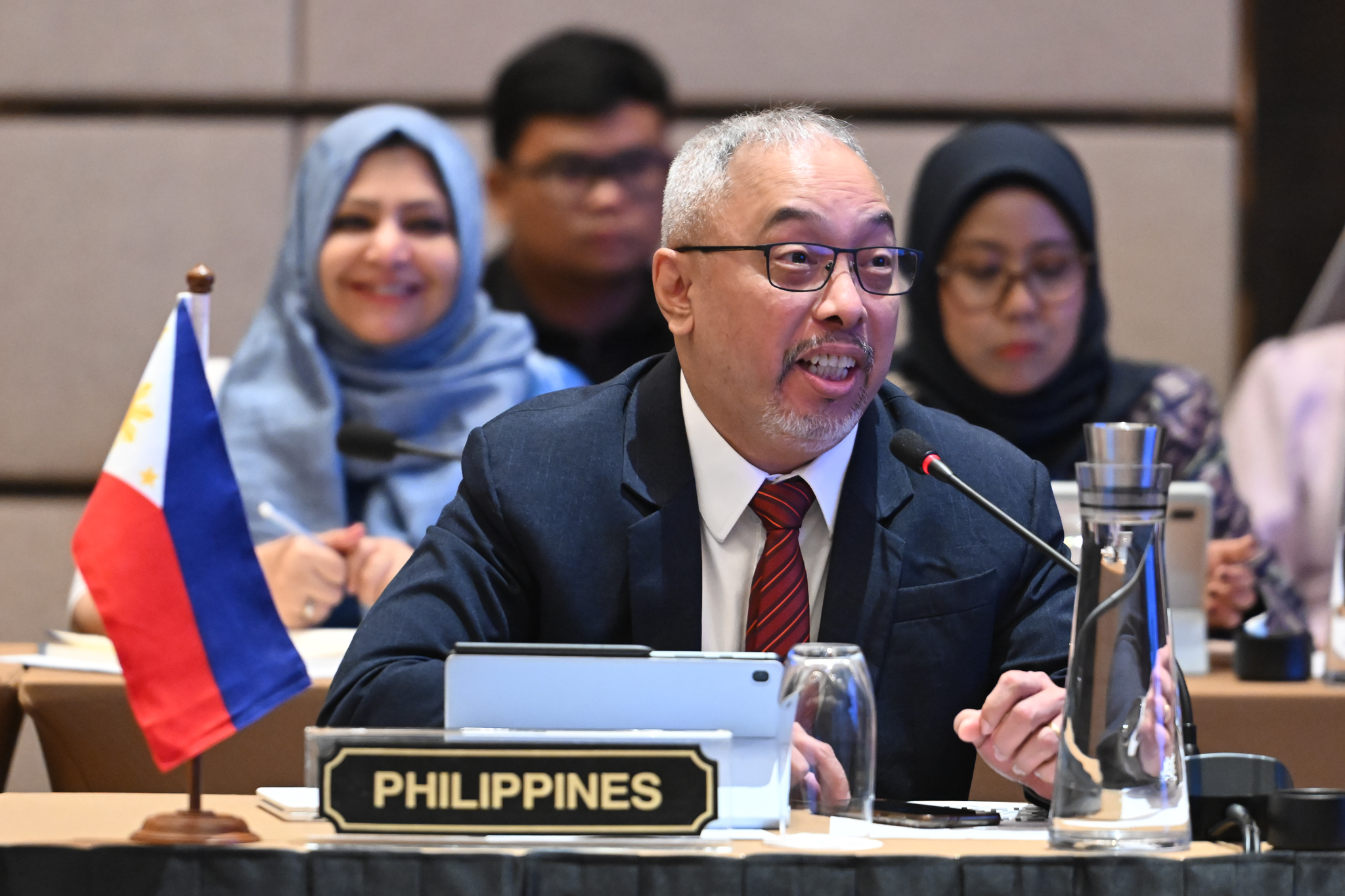
Delegates provided their aspirations, feedback and inputs to the proposed ASEAN Declaration on Promoting the Right to Development and Peace Towards Realising Inclusive and Sustainable Development and its implementation to enhance the value of the document.
Additionally, delegates presented views on addressing inequalities and responsible business conduct while treating the right to development as a cross-cutting right with important thematic areas such as migration, trade and investment, climate change, environmental pollution, business and human rights, new technologies, and the Sustainable Development Goals (SDGs).
The AICHR will gather the outcomes and recommendations of this consultation for deliberations in its continued efforts to advance the rights to development and peace in ASEAN.
As the ASEAN Chair in 2025, Malaysia hosted the consultation as part of its inclusivity and sustainability initiatives. Australia, through the Australian Human Rights Commission (AHRC) and Australian AID (AusAID), jointly funded the programme together with ASEAN through its AICHR Fund.
The consultation was conducted in the usual ASEAN spirit of mutual respect and courtesy.
* Note: Articles 35, 36, 37 and 38 of the ASEAN Human Rights Declaration 2012 state as follows:
RIGHT TO DEVELOPMENT
- The right to development is an inalienable human right by virtue of which every human person and the peoples of ASEAN are entitled to participate in, contribute to, enjoy and benefit equitably and sustainably from economic, social, cultural and political development. The right to development should be fulfilled so as to meet equitably the developmental and environmental needs of present and future generations. While development facilitates and is necessary for the enjoyment of all human rights, the lack of development may not be invoked to justify the violations of internationally recognised human rights.
- ASEAN Member States should adopt meaningful people-oriented and gender responsive development programmes aimed at poverty alleviation, the creation of conditions including the protection and sustainability of the environment for the peoples of ASEAN to enjoy all human rights recognised in this Declaration on an equitable basis, and the progressive narrowing of the development gap within ASEAN.
- ASEAN Member States recognise that the implementation of the right to development requires effective development policies at the national level as well as equitable economic relations, international cooperation and a favourable international economic environment. ASEAN Member States should mainstream the multidimensional aspects of the right to development into the relevant areas of ASEAN community building and beyond, and shall work with the international community to promote equitable and sustainable development, fair trade practices and effective international cooperation.
RIGHT TO PEACE
- Every person and the peoples of ASEAN have the right to enjoy peace within an ASEAN framework of security and stability, neutrality and freedom, such that the rights set forth in this Declaration can be fully realised. To this end, ASEAN Member States should continue to enhance friendship and cooperation in the furtherance of peace, harmony and stability in the region.
***