AICHR puts human rights at the heart of peace in ASEAN
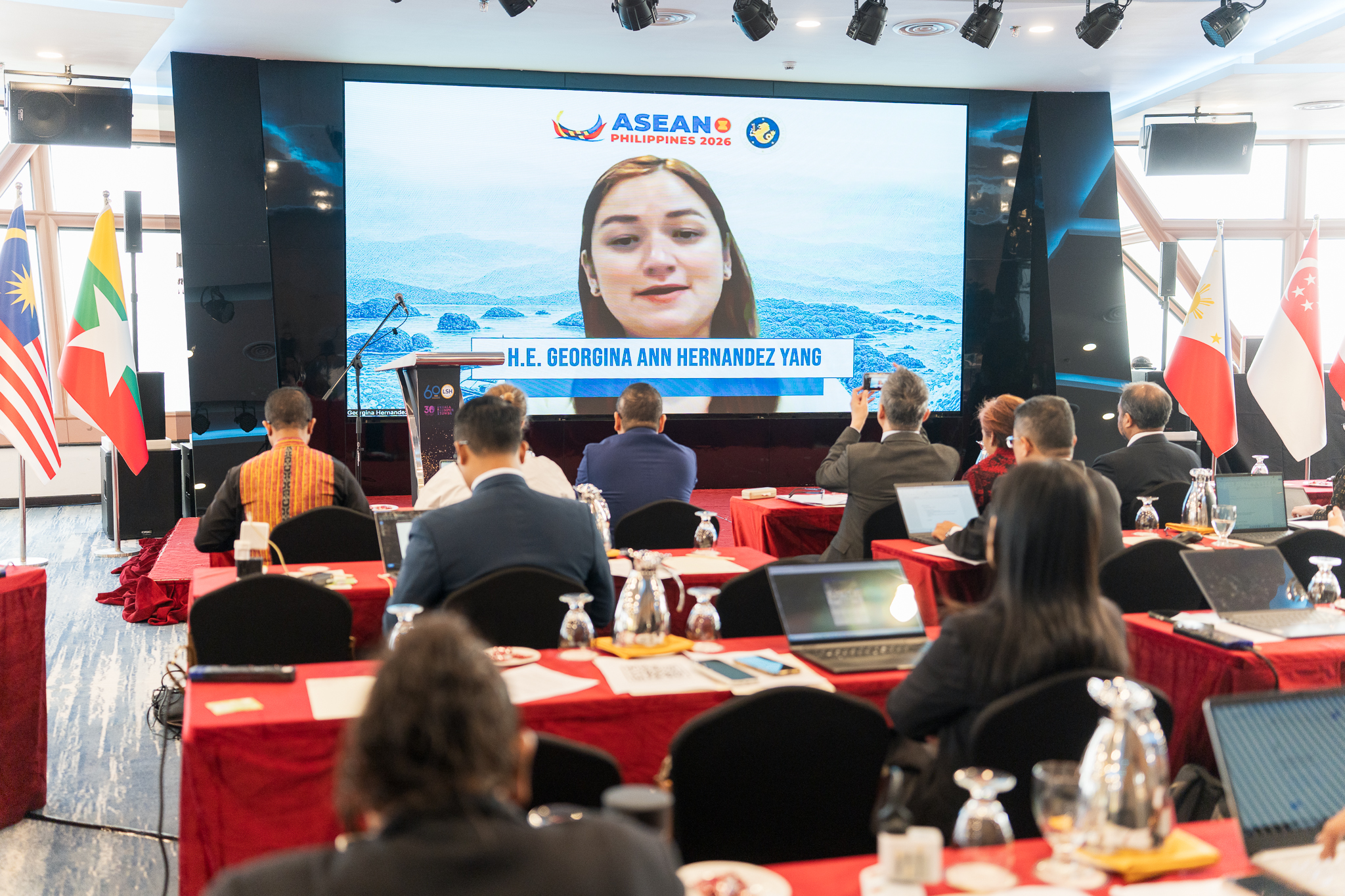
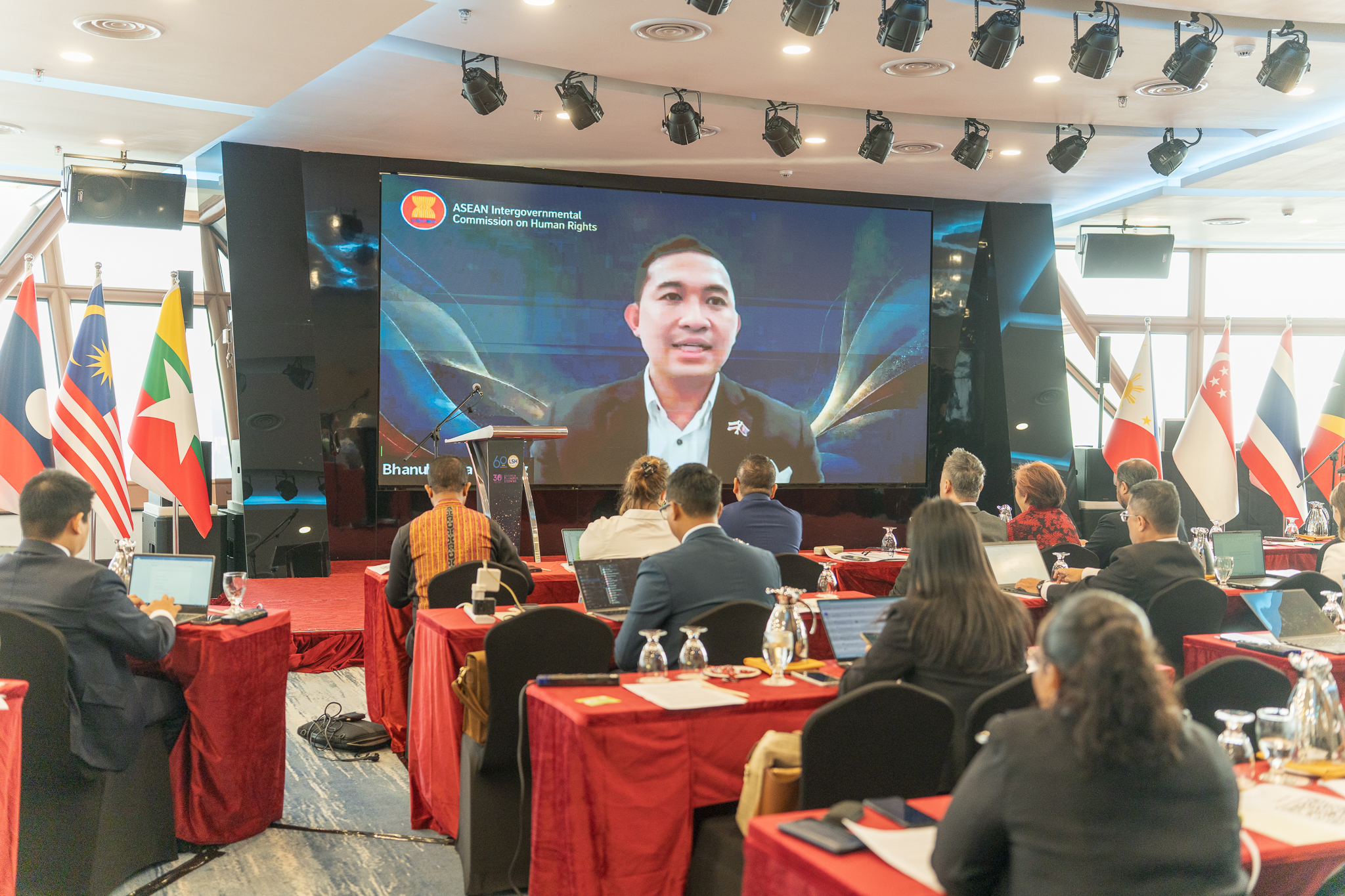
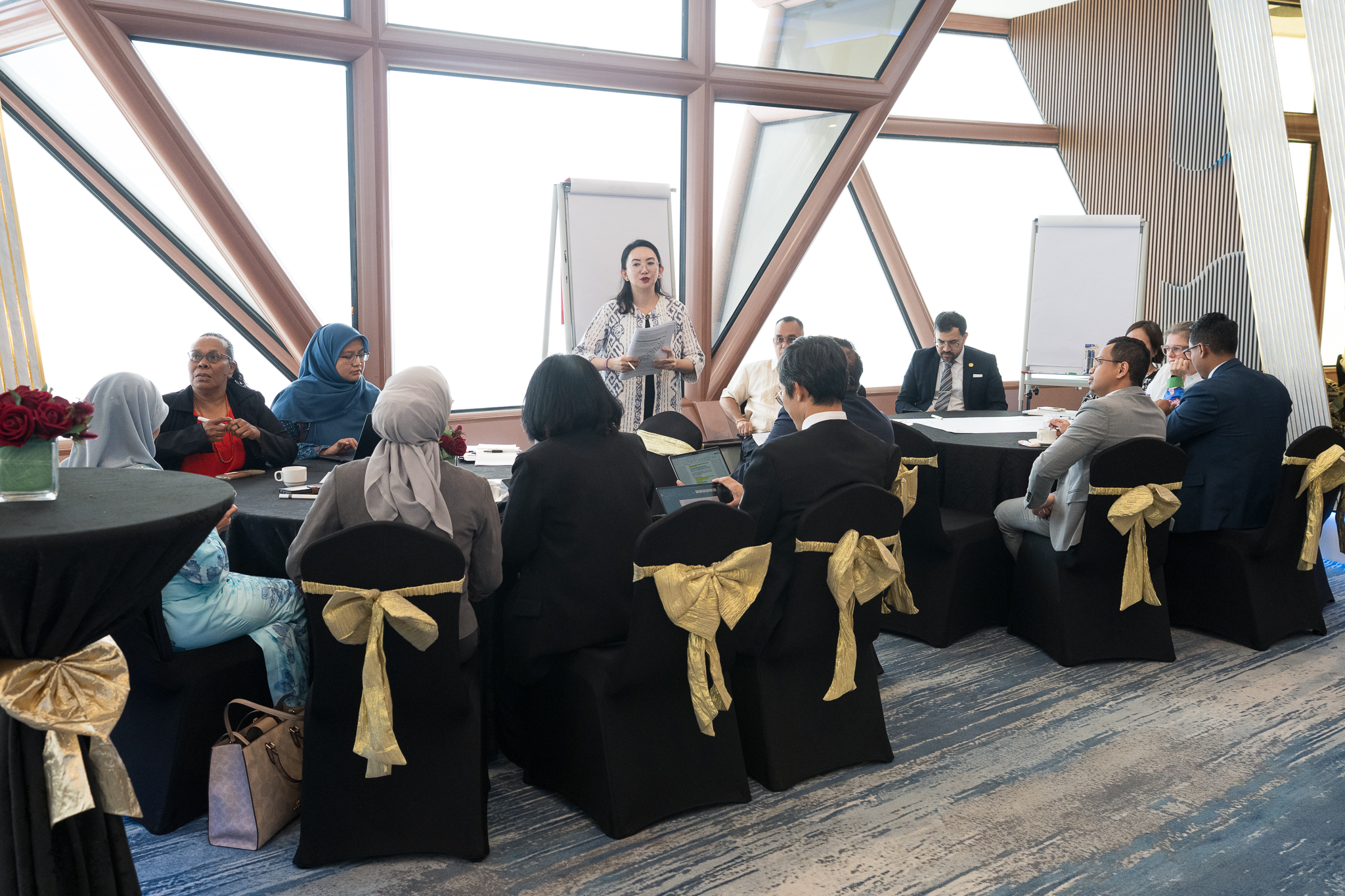
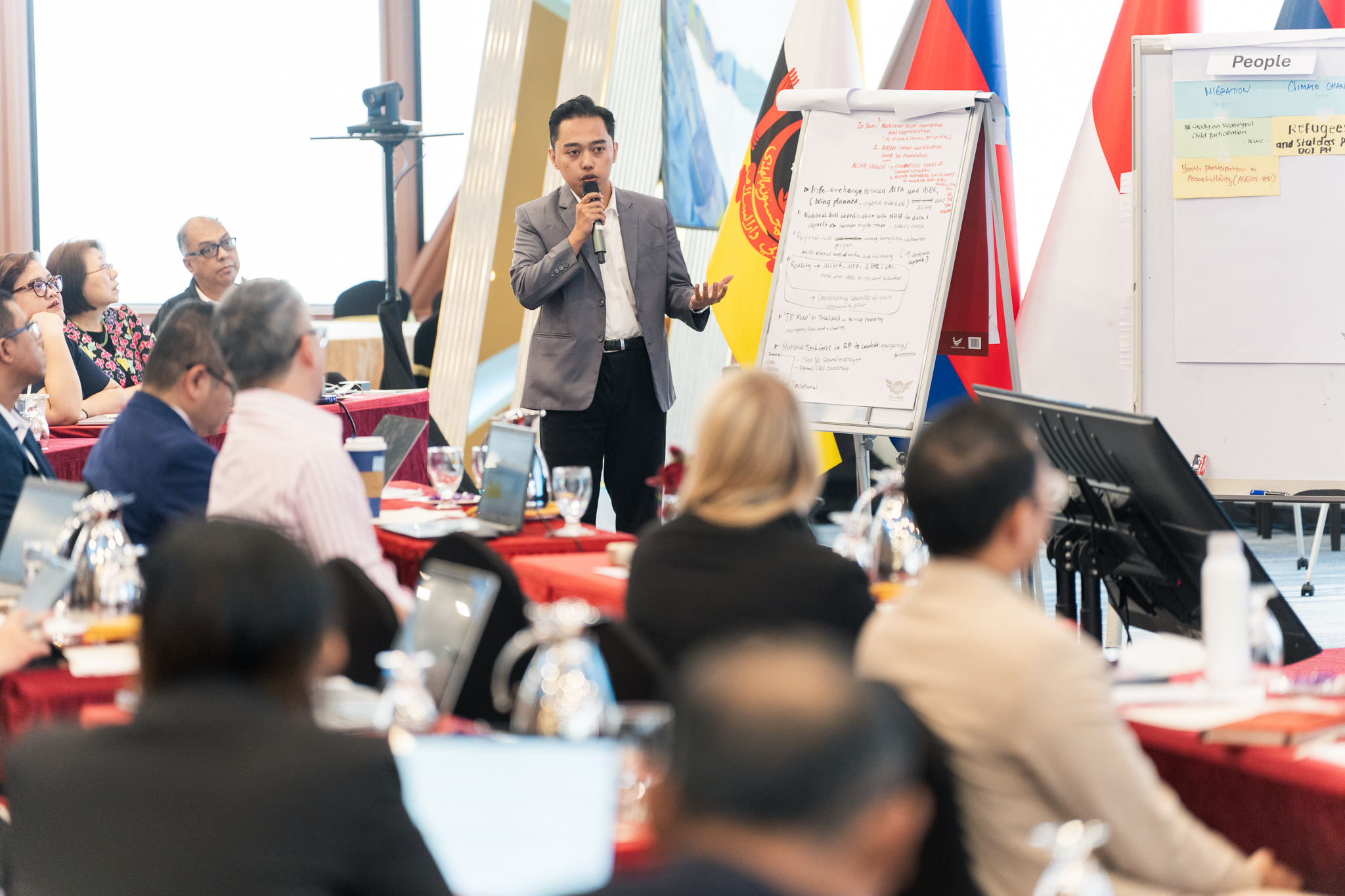
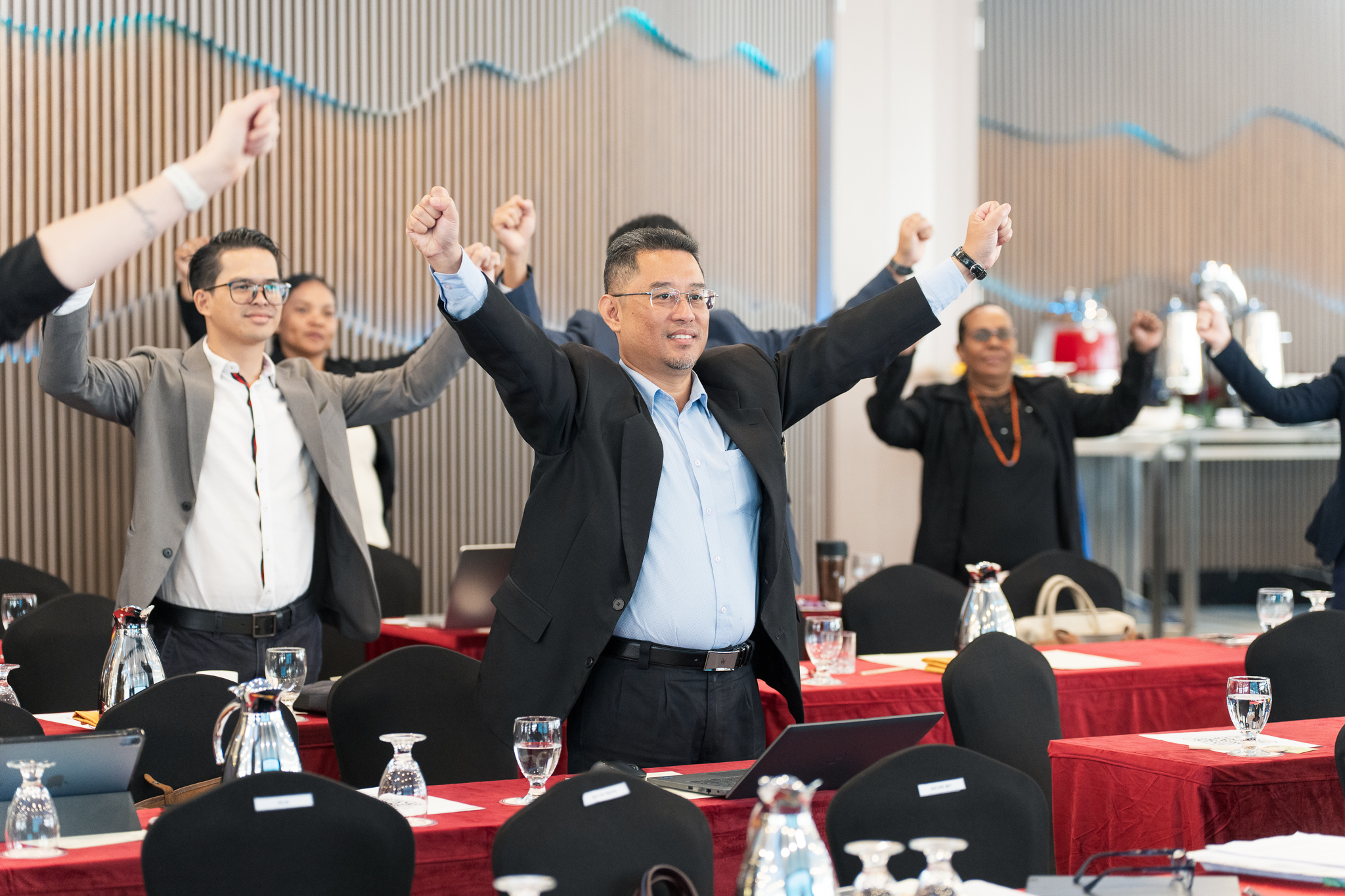
KUALA LUMPUR, 29 September 2026 – Lasting peace in ASEAN begins with the human rights and voices of the people most exposed to the risk of conflict. Building on a series of six workshops held in 2025, the ASEAN Intergovernmental Commission on Human Rights (AICHR) convened the 7th ASEAN Workshop on the Intersection Between Conflict and Human Rights: Pathways and Approaches to Peace in ASEAN on 28 and 29 September 2026 in Kuala Lumpur. The workshop set out to turn hard-won lessons into practical action: stronger coordination, sustained follow-through, and earlier, rights-based prevention, so that ASEAN can act before tensions escalate into violence, not after.
Led by Malaysia, and this time with Cambodia, Indonesia, the Philippines, Thailand and Timor-Leste as co-proponents, and organised in partnership with the ASEAN Institute for Peace and Reconciliation (ASEAN-IPR), the workshop marked the seventh chapter of AICHR’s peace pathways initiative. It is one of AICHR’s follow-up actions taken on the ASEAN Declaration on Promoting the Right to Development and the Right to Peace Towards Realising Inclusive and Sustainable Development (ADDP), adopted by the ASEAN leaders at the 47th ASEAN Summit on 26 October 2025 in Kuala Lumpur.
The initiative is anchored in ASEAN 2045: Our Shared Future, which commits ASEAN to enhancing its institutional capacity and effectiveness, so that the region can respond collectively, efficiently and effectively to emerging challenges and future shocks. AICHR’s work on building peace pathways will connect ASEAN’s existing peace and human rights mechanisms, embed rights-based early warning into how conflict risks are identified, ensure that the voices of affected communities reach policymakers, and support coordinated and timely responses across the three ASEAN Community pillars. Together, these efforts aim to make ASEAN’s institutions stronger, better coordinated and more responsive to the people they serve.
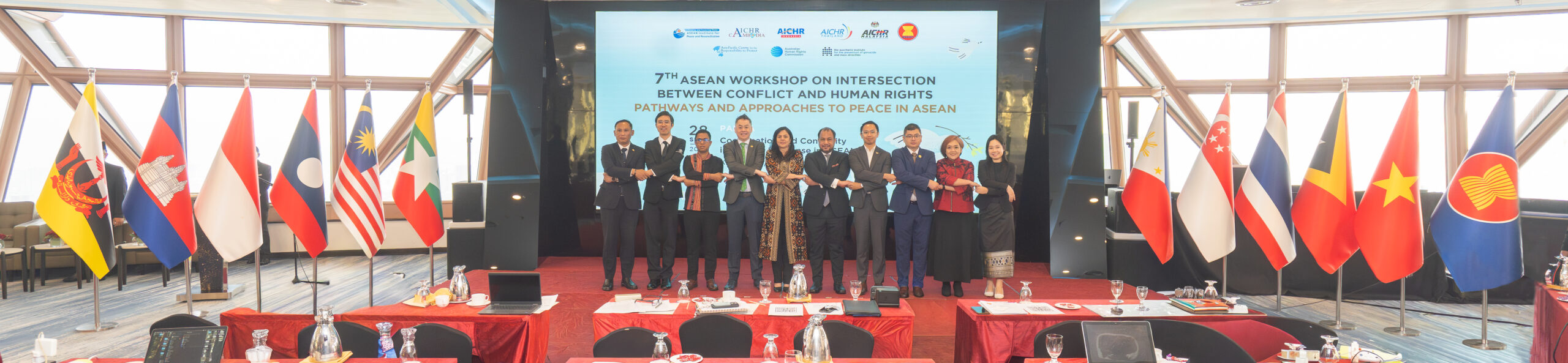
The 2025 workshops opened a safe and constructive space for honest dialogue on complex and often sensitive issues, bringing together representatives from across the three ASEAN Community pillars, ASEAN sectoral bodies and institutions, national human rights institutions (NHRIs), academia, civil society organisations (CSOs), and regional and international partners. Among the key lessons that emerged: (i) peace is more than the absence of conflict; it is rooted in human rights, human dignity, inclusion and development; (ii) ASEAN has a range of institutions, mechanisms and capacities relevant to peace, but they do not yet work together as well as they could, and responses can shift with the priorities of each year’s ASEAN chair; (iii) human rights analysis can surface underlying grievances and emerging risks before they escalate; and (iv) peace lasts longer when women, youth, civil society, local communities and experts help shape it.
These lessons shaped a key outcome of the series: the proposed ASEAN Peace Pathways Framework (PPF). Rather than creating new mechanisms or mandates, the ASEAN PPF is envisaged as a structured but flexible reference that connects, and makes better use of, the capacities and approaches to peace that ASEAN already has. AICHR’s recently adopted Note on Advancing Human Rights and Peace dated 21 September 2026 illustrates the common position and approach of the Commission on the issue. It calls for human rights perspectives to be integrated across conflict prevention, conflict management and peacebuilding, and underscores the need for stronger coordination, continuity, institutional learning and cross-pillar cooperation among existing ASEAN bodies and sectoral mechanisms.
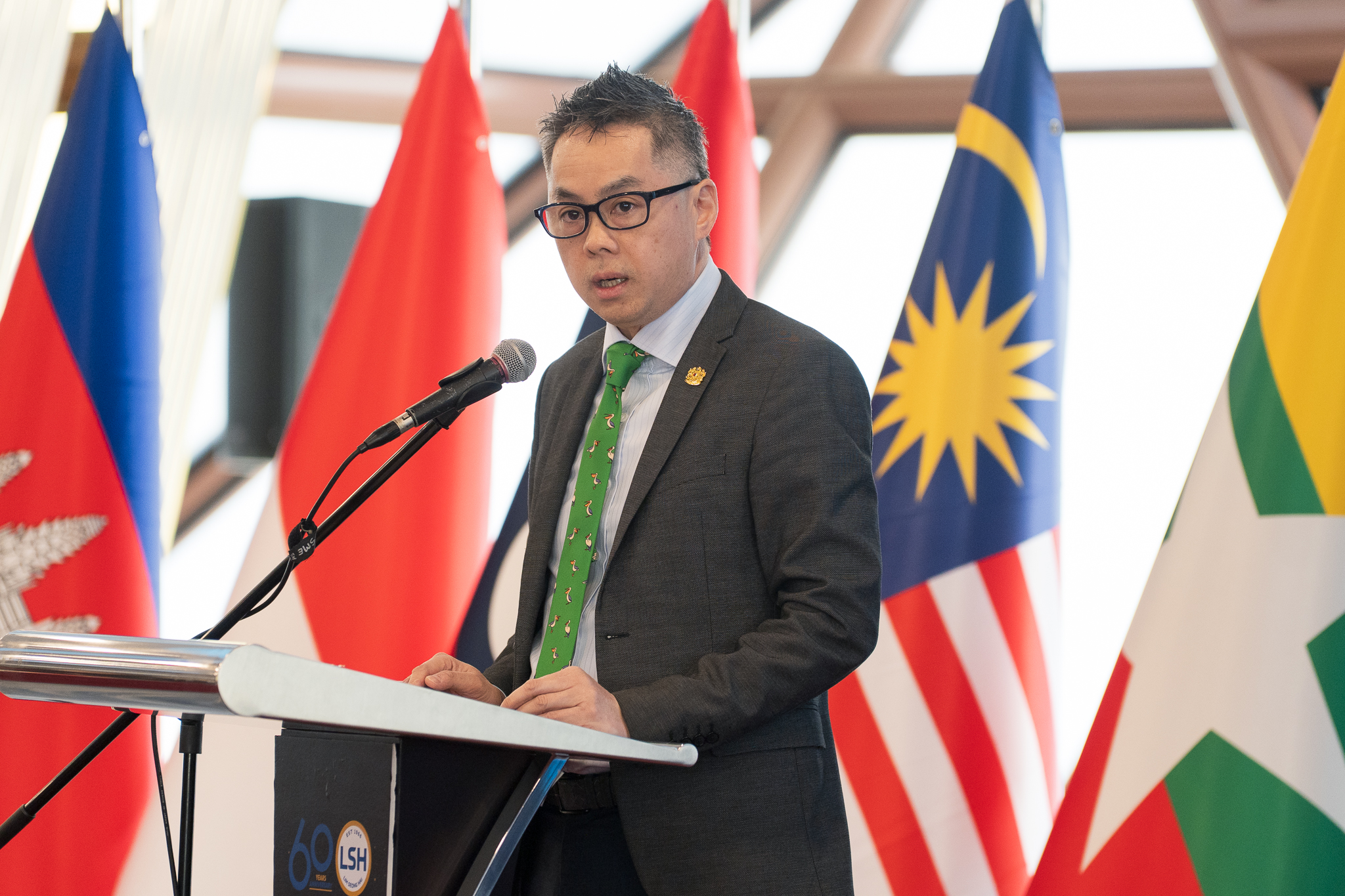
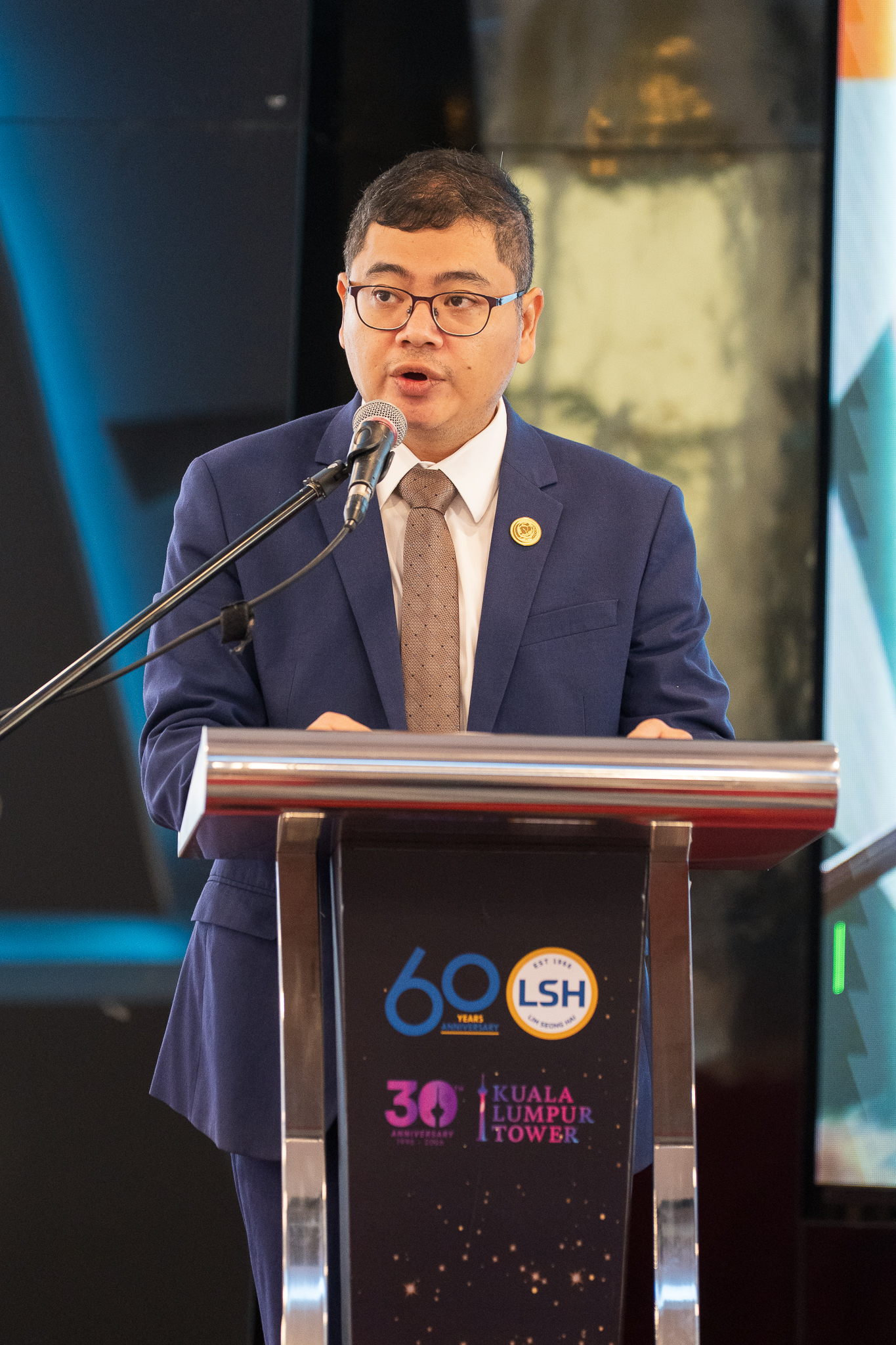
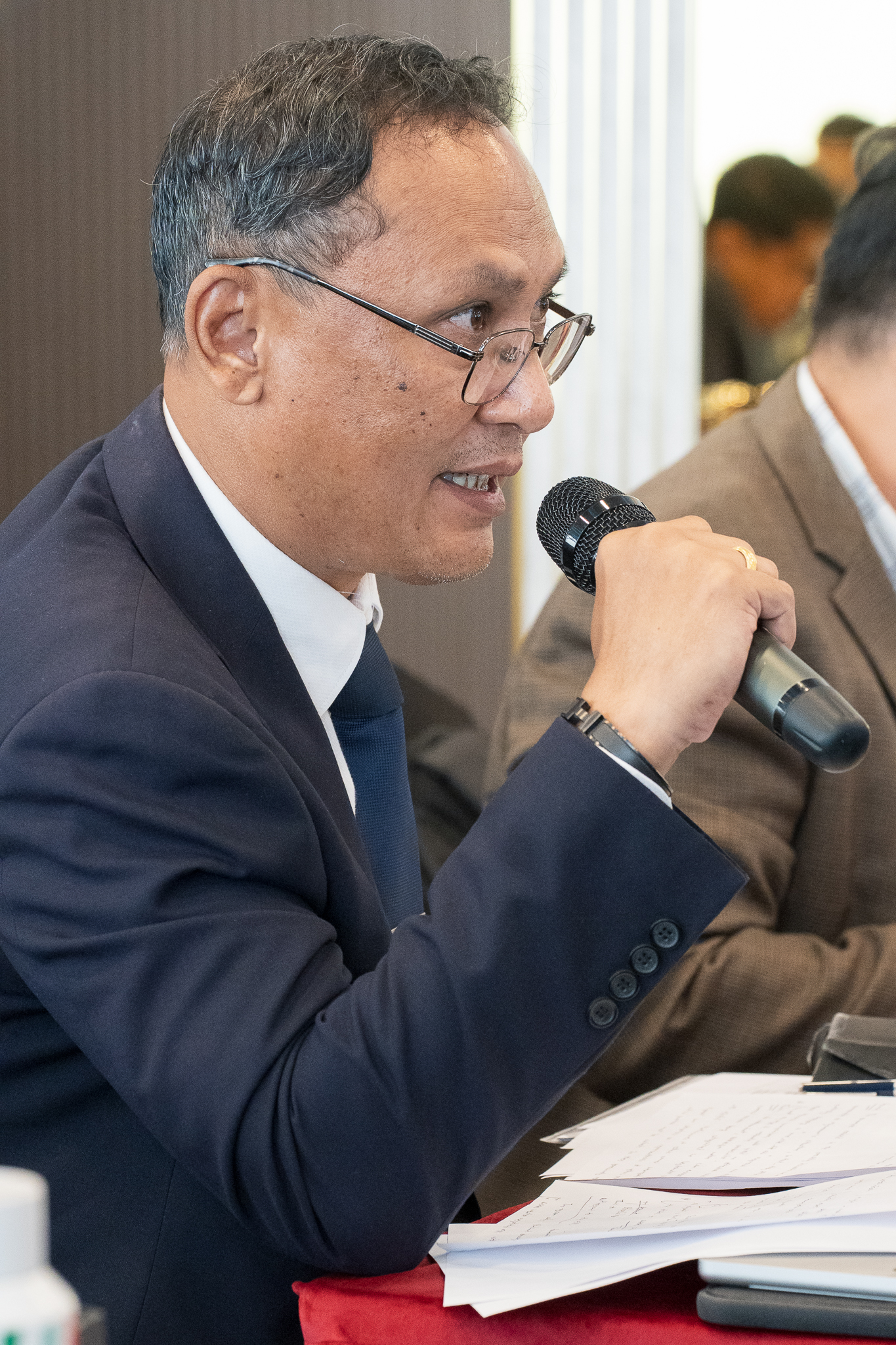
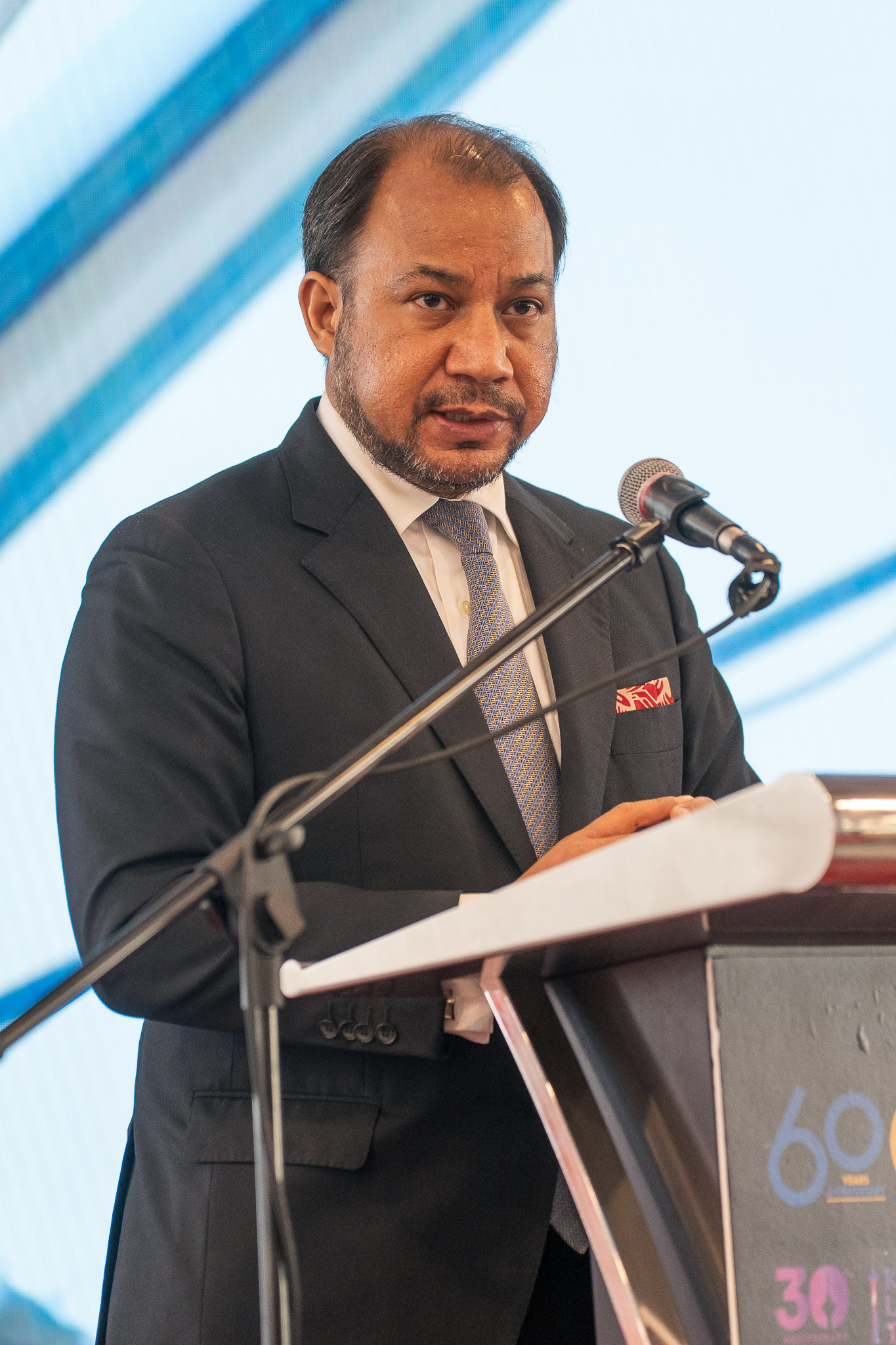
Opening the workshop, Malaysia’s Representative to AICHR, Edmund Bon Tai Soon, who introduced the initiative in 2025, called for stronger, more responsive institutions and rights-based prevention that acts before conflict escalates. “It is important for us to continue looking at peace together, through trust-building and confidence-building, and looking at how we can support ASEAN, and how ASEAN can support peace-led initiatives, through our different mandates,” he said.
Bon described AICHR and ASEAN-IPR as important partners in this work and commended their positive and fruitful relationship. “ASEAN-IPR has a very strong mandate on peace and reconciliation. AICHR focuses a lot on groups in vulnerable and marginalised situations, and that is where our input into peace is important, because that is where our protection mandate for groups in vulnerable and marginalised situations comes to the fore. When ASEAN-IPR’s expertise in research, capacity building and conflict resolution is combined with AICHR’s human rights lens, ASEAN gains a fuller picture of where risks lie and whose safety is at stake. That is why ASEAN-IPR and AICHR are perfect partners,” he said.
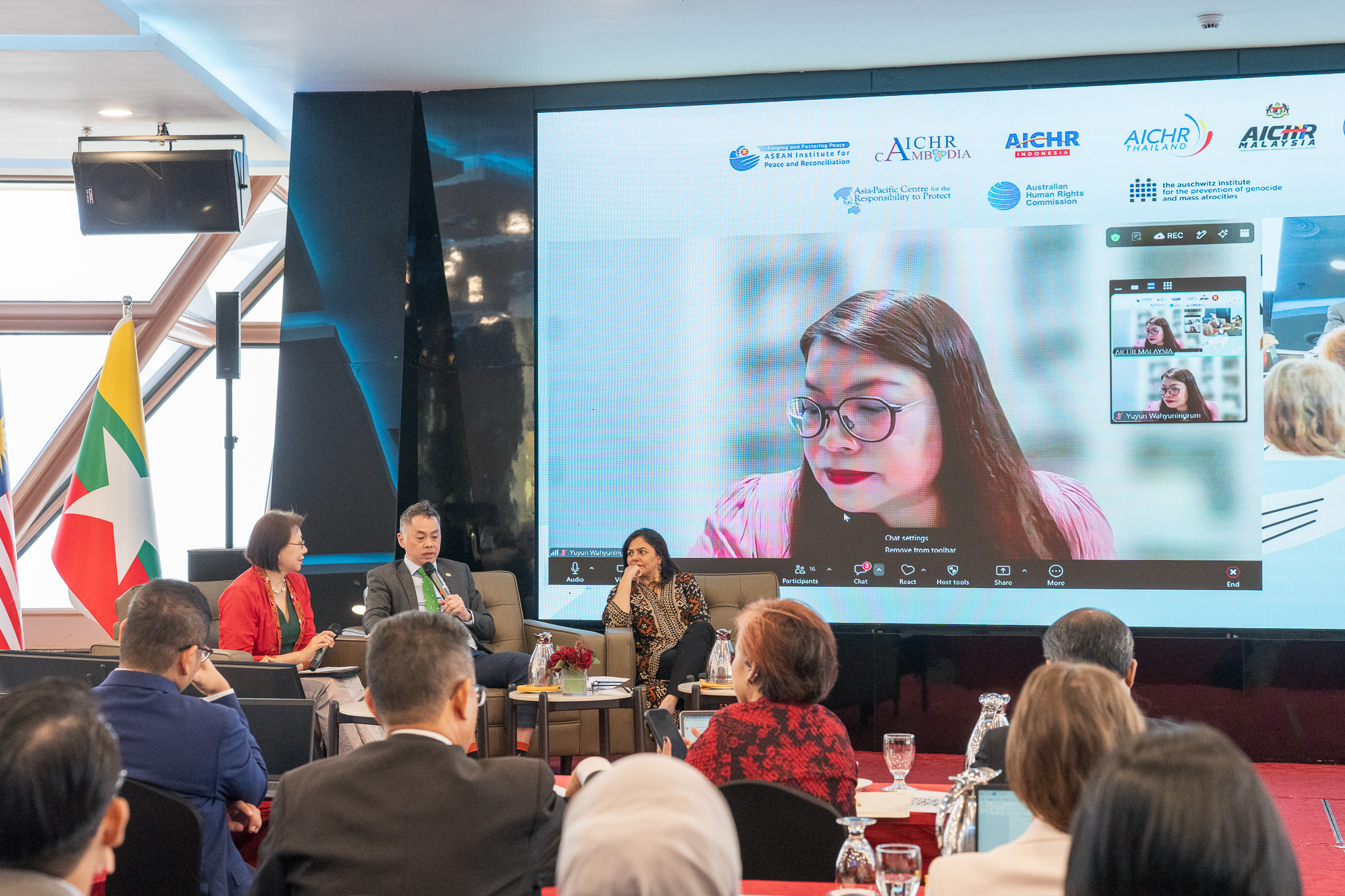
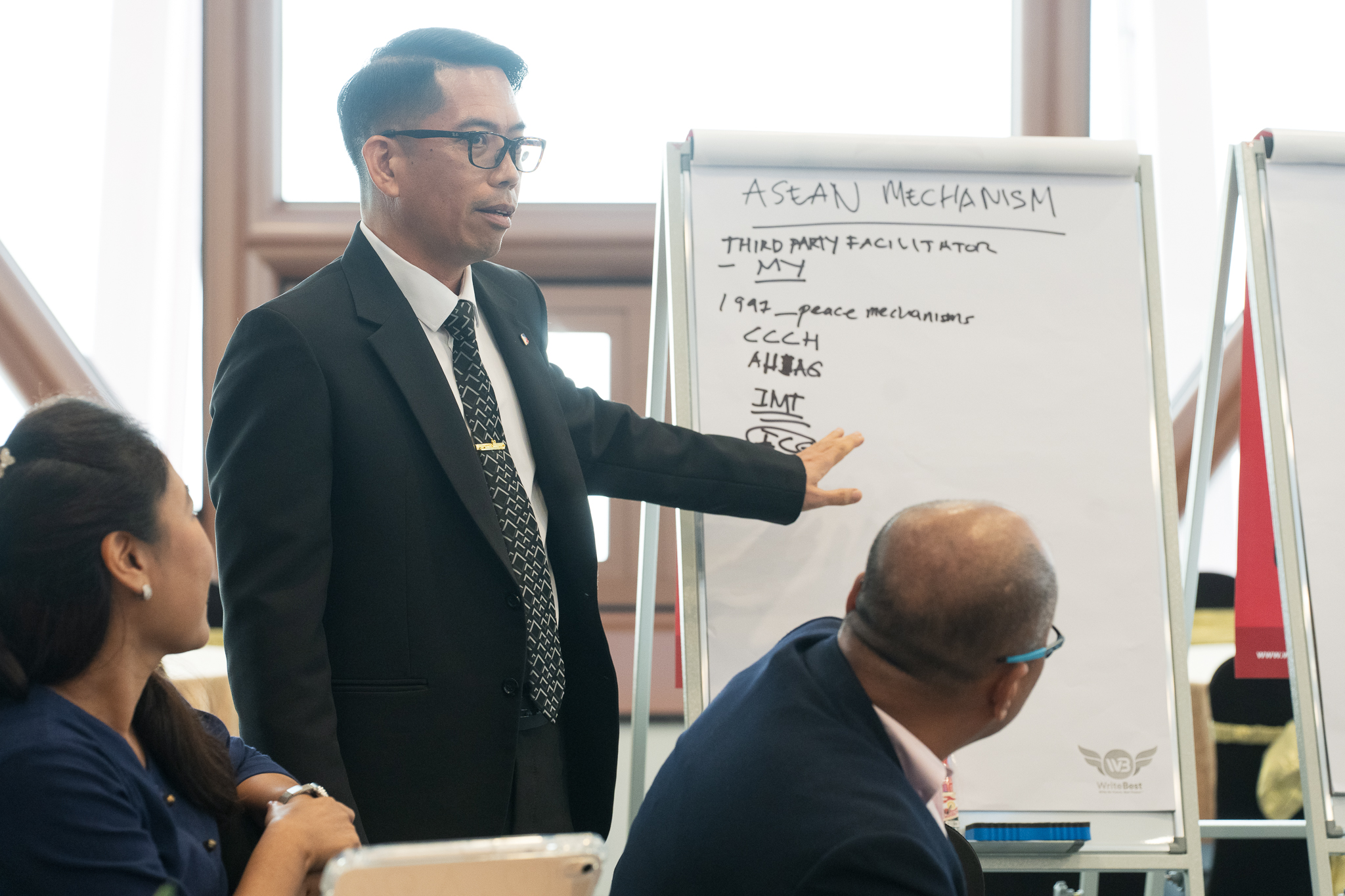
The first day, on 28 September 2026, focused on “Coordination and continuity in conflict response in ASEAN”. Participants took an honest look at what has and has not worked in coordination among ASEAN’s existing mechanisms, including how responses can be sustained beyond the priorities of a single chairship year. Experts reflected on the links between non-discrimination, human rights and peace, highlighting how exclusion and unequal treatment of communities can deepen grievances and if left unaddressed can become drivers of conflict. Participants then examined the draft PPF and offered input on how to put it into practice and strengthen coordination across the ASEAN pillars, including how the Framework could clarify roles, reduce duplication and ensure continuity of follow-up from one chairship to the next.
The discussions point to several areas that merit ASEAN’s attention. Non-discrimination and equal protection of the law, affirmed in Articles 2, 3, 4 and 5 of the ASEAN Human Rights Declaration (AHRD), are foundations of peace and not only legal guarantees. When ethnic, religious, linguistic or indigenous communities are denied legal identity, citizenship, land, livelihoods or a voice in decisions that affect them, grievances accumulate and can be mobilised into conflict. ASEAN should therefore give closer attention to the situation of groups in vulnerable and marginalised situations in its peace and security deliberations, guided by the right to peace in Article 38 of the AHRD and by international standards. Statelessness, forced displacement and unequal access to justice deserve particular attention, as they both result from conflict and feed it.
On continuity, ASEAN should consider practical ways to preserve institutional memory and follow-up across chairships: structured handovers between successive chairs, a standing role for the ASEAN Secretariat in tracking commitments and recommendations, regular joint reviews by relevant bodies across the three pillars, and a clear point of contact for each crisis that remains in place after the chairship year ends.
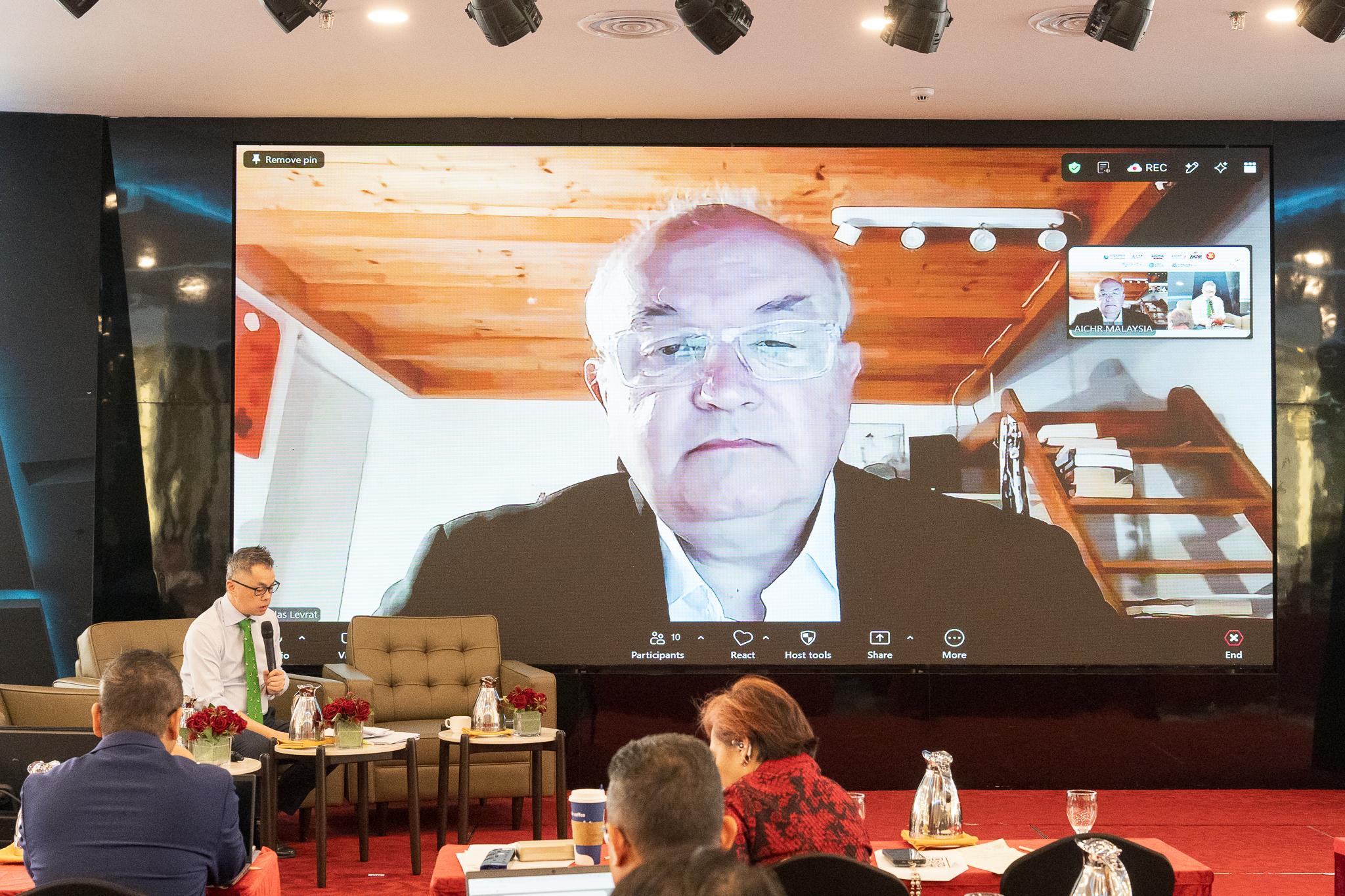
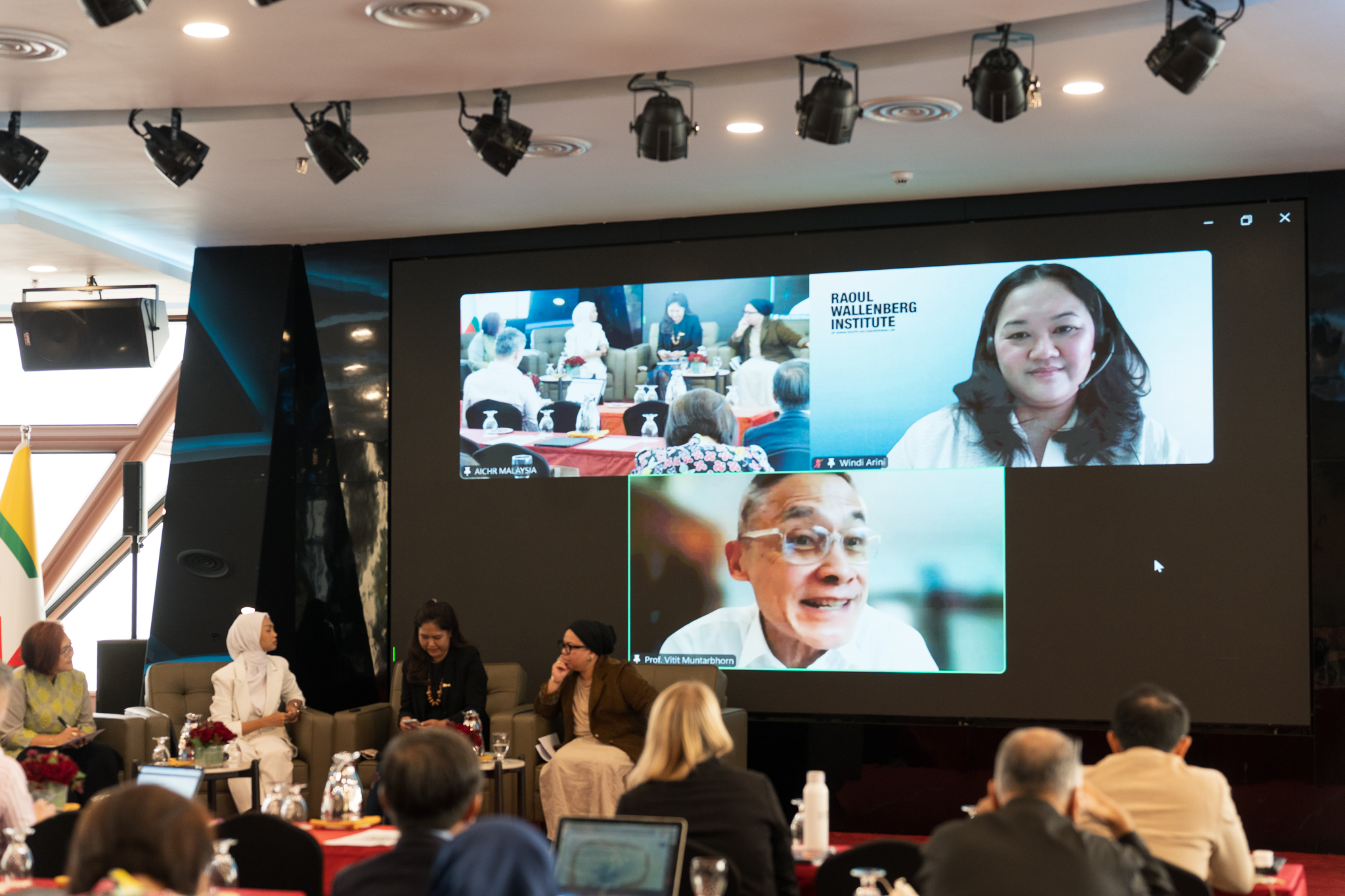
The second day, on 29 September 2026, turned to “Early prevention and response through human rights-based approaches”. Drawing on insights from experts and partners, discussions underscored that human rights concerns are not only a consequence of conflict; they can also be their earliest warning signs. Patterns such as rising hate speech, shrinking civic space, discrimination against certain communities and displacement can signal escalating risk well before violence erupts. These signals can reach ASEAN through AICHR’s communications mechanism. It is an institutionalised channel that regularly provides ASEAN with information and reports from key stakeholders including victims and survivors on human rights violations. The cases, read together over time, can also reveal trends in how governments respect and protect human rights.
Established tools, such as the Rabat Plan of Action (which helps distinguish protected expression from incitement to hatred) and the Framework of Analysis for Atrocity Crimes (which sets out common risk factors and indicators), may be adapted by ASEAN to regional realities. The experience of the ASEAN Coordinating Centre for Humanitarian Assistance on disaster management (AHA Centre) shows that trusted, regular information-sharing builds shared awareness; the same approach to human rights risks would help turn early warning into early action. Such a system must also protect those who share information, including human rights defenders, journalists and affected communities. Gender-responsive indicators can build on the ASEAN Regional Plan of Action on Women, Peace and Security, recognising that threats to the safety and participation of women and girls are often among the first signs of wider instability.
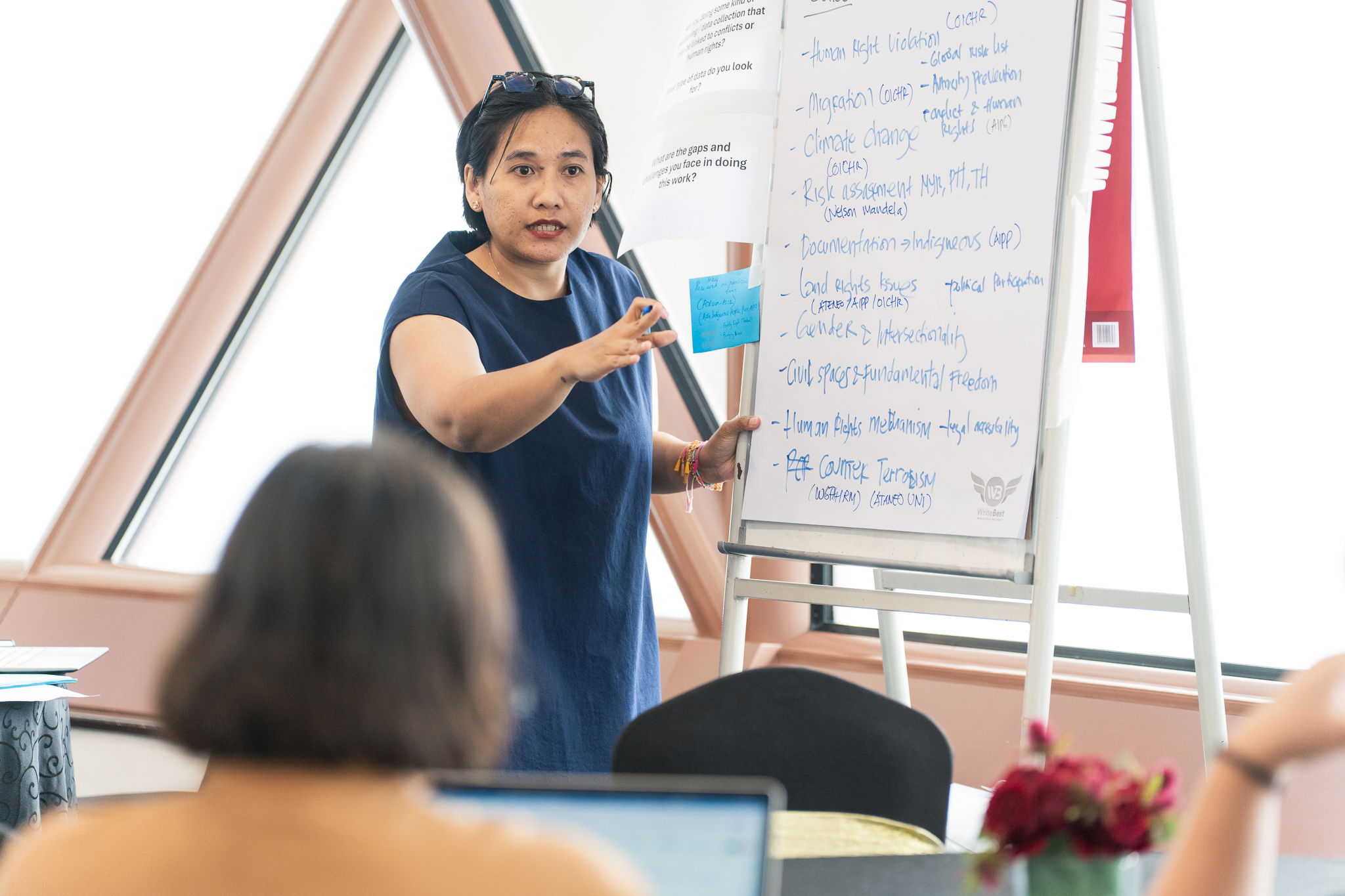
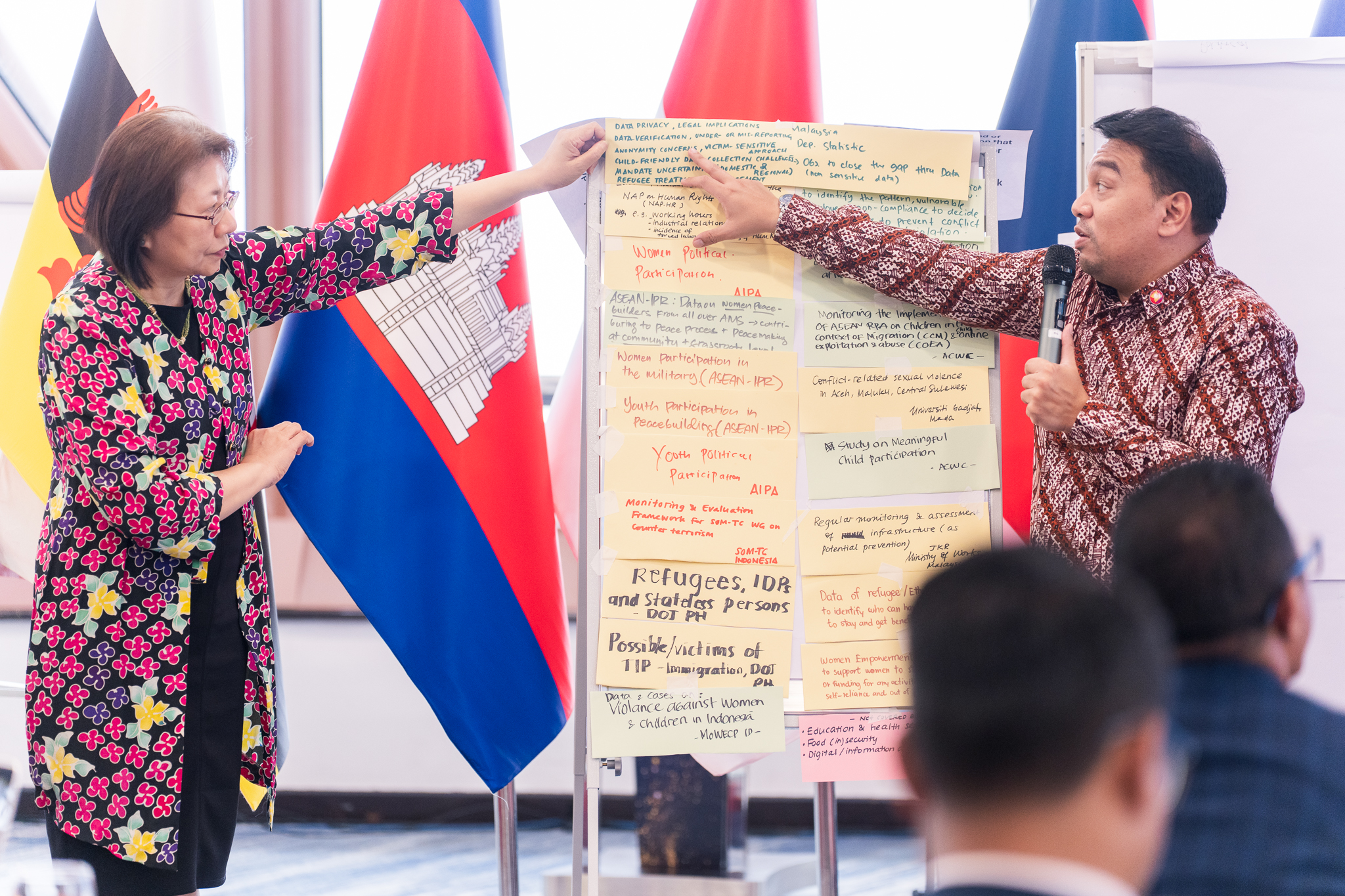
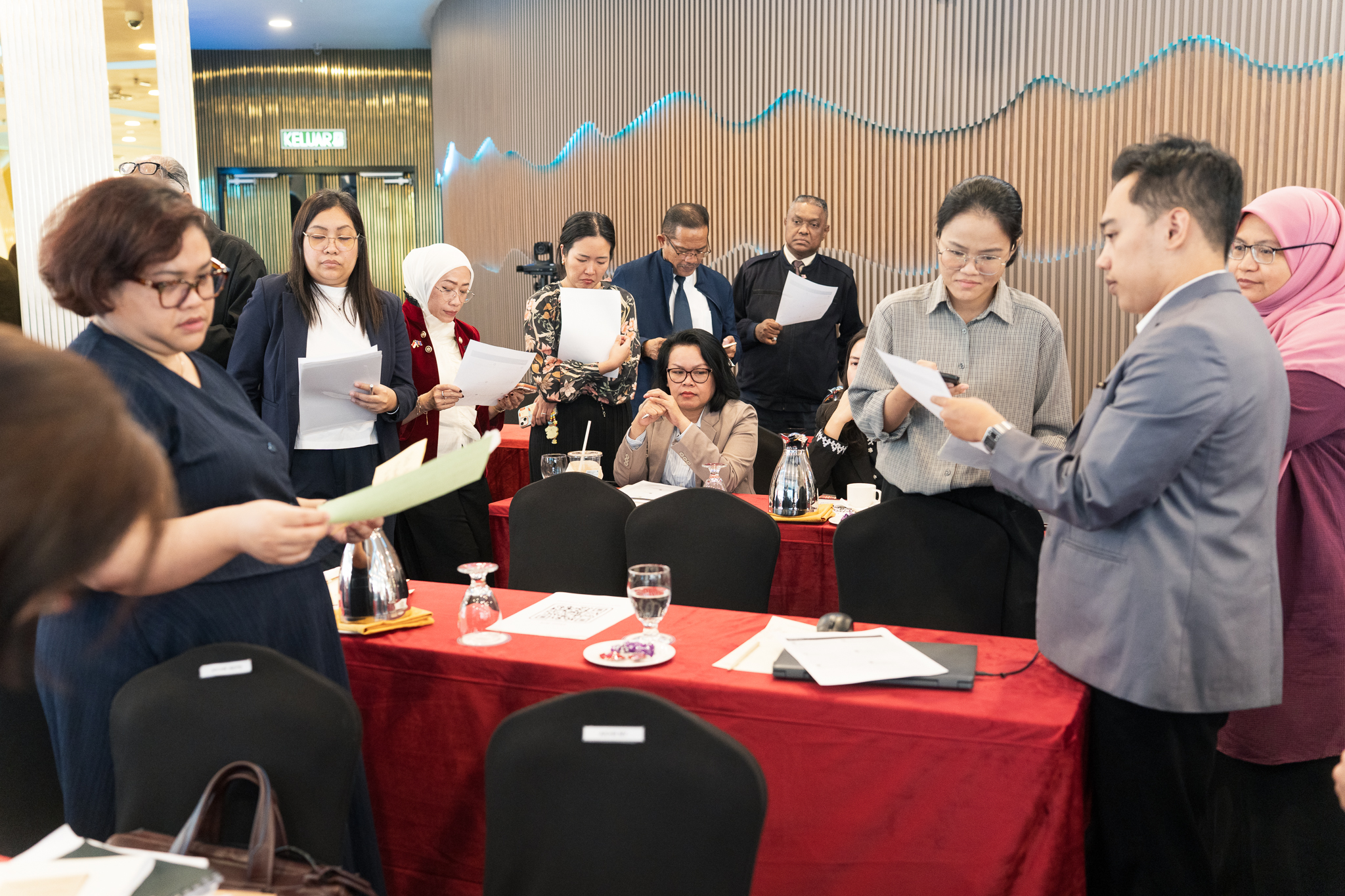
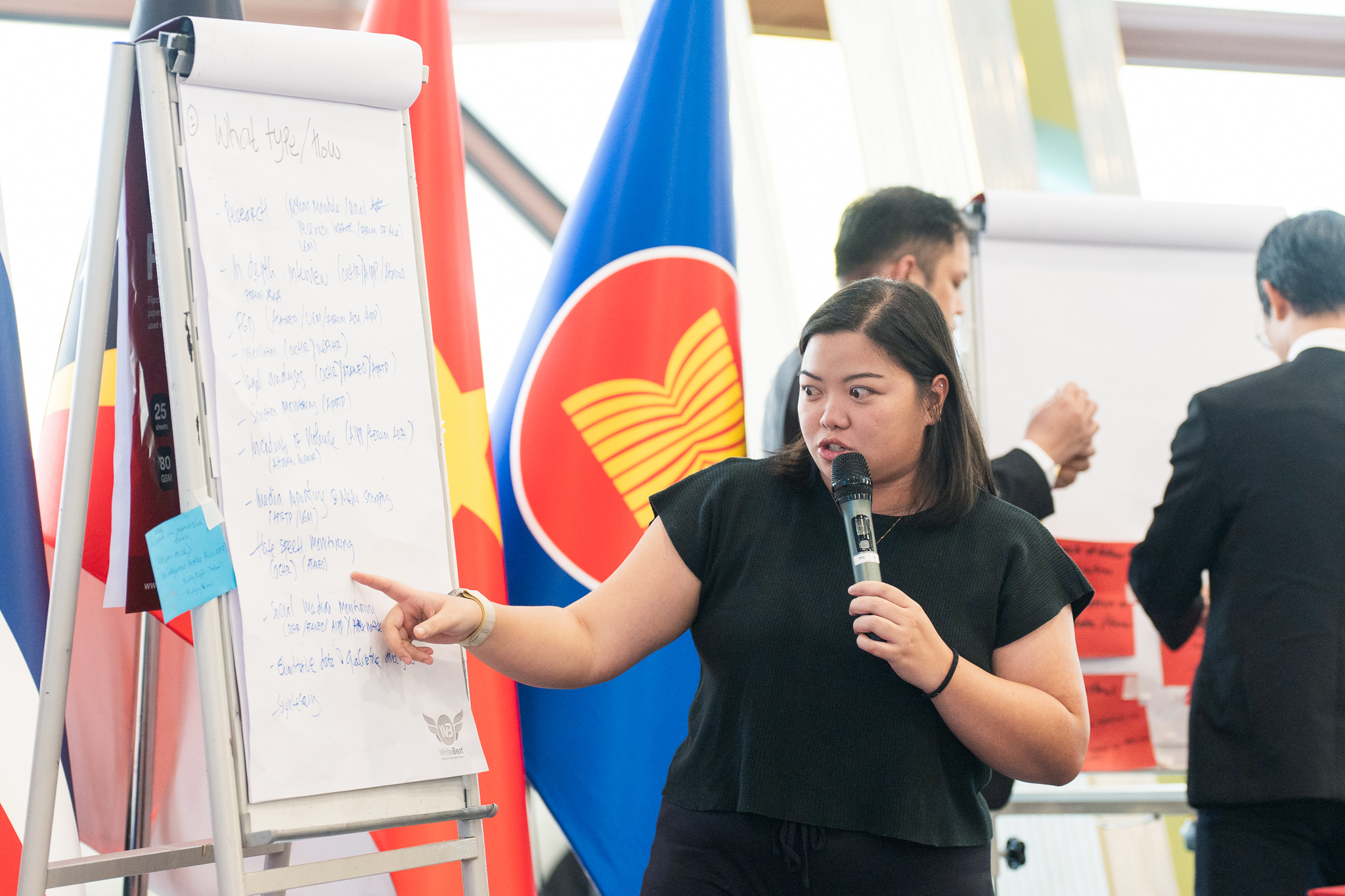
To strengthen and validate the AICHR-drafted ASEAN PPF, participants mapped existing human rights information and data collection mechanisms in ASEAN. They identified human rights indicators for early prevention and response across five areas: governance; civic space and participation; equality, inclusion and social cohesion; protection and security; and socio-economic and environmental risks, together with cross-cutting gender-responsive indicators. They also explored how such information could be safely shared and coordinated among stakeholders in ASEAN.
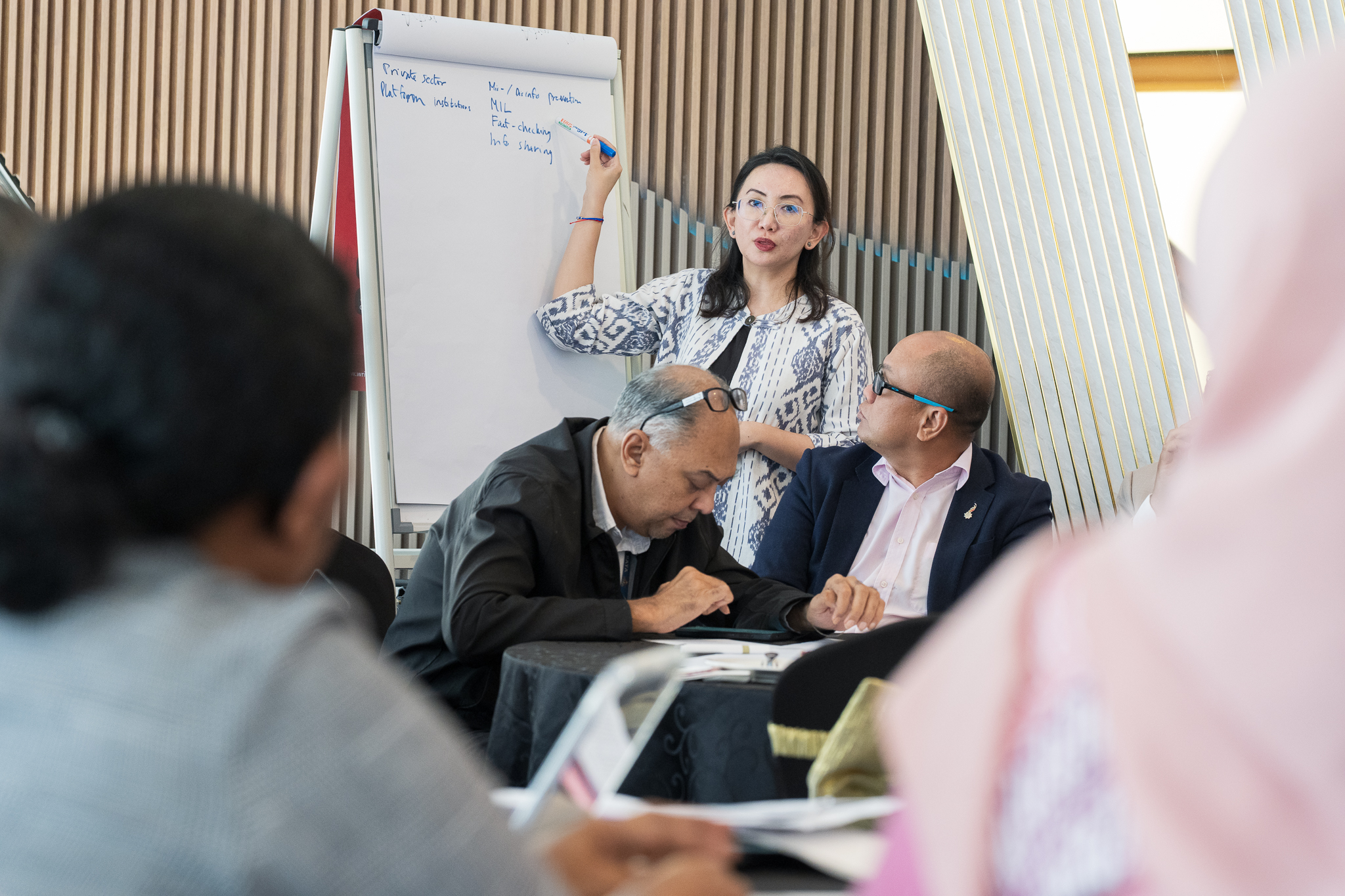
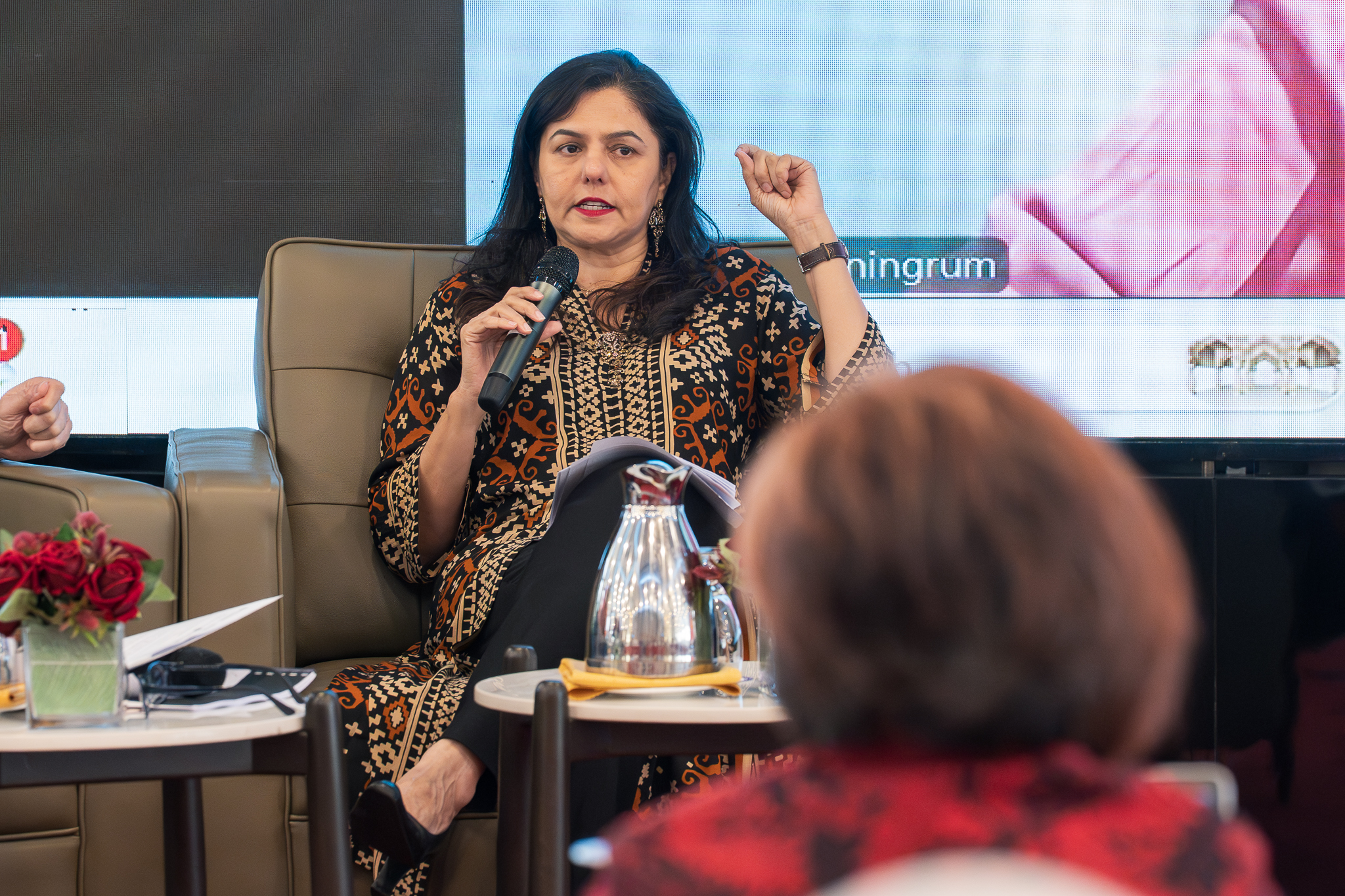
Over the two days, participants spoke candidly about the challenges. ASEAN has many mechanisms relevant to peace, but coordination across pillars, and between the national and regional levels, still has room to grow. Resources are limited, and data can be difficult to verify, protect and synchronise. Among the biggest obstacles are sensitivities, including the principle of non-interference, varying levels of political will, and the safety of civil society actors. Participants also called for AICHR’s mandate to be expanded and for ASEAN leaders to confer greater authority on the Commission to address conflict-related matters.
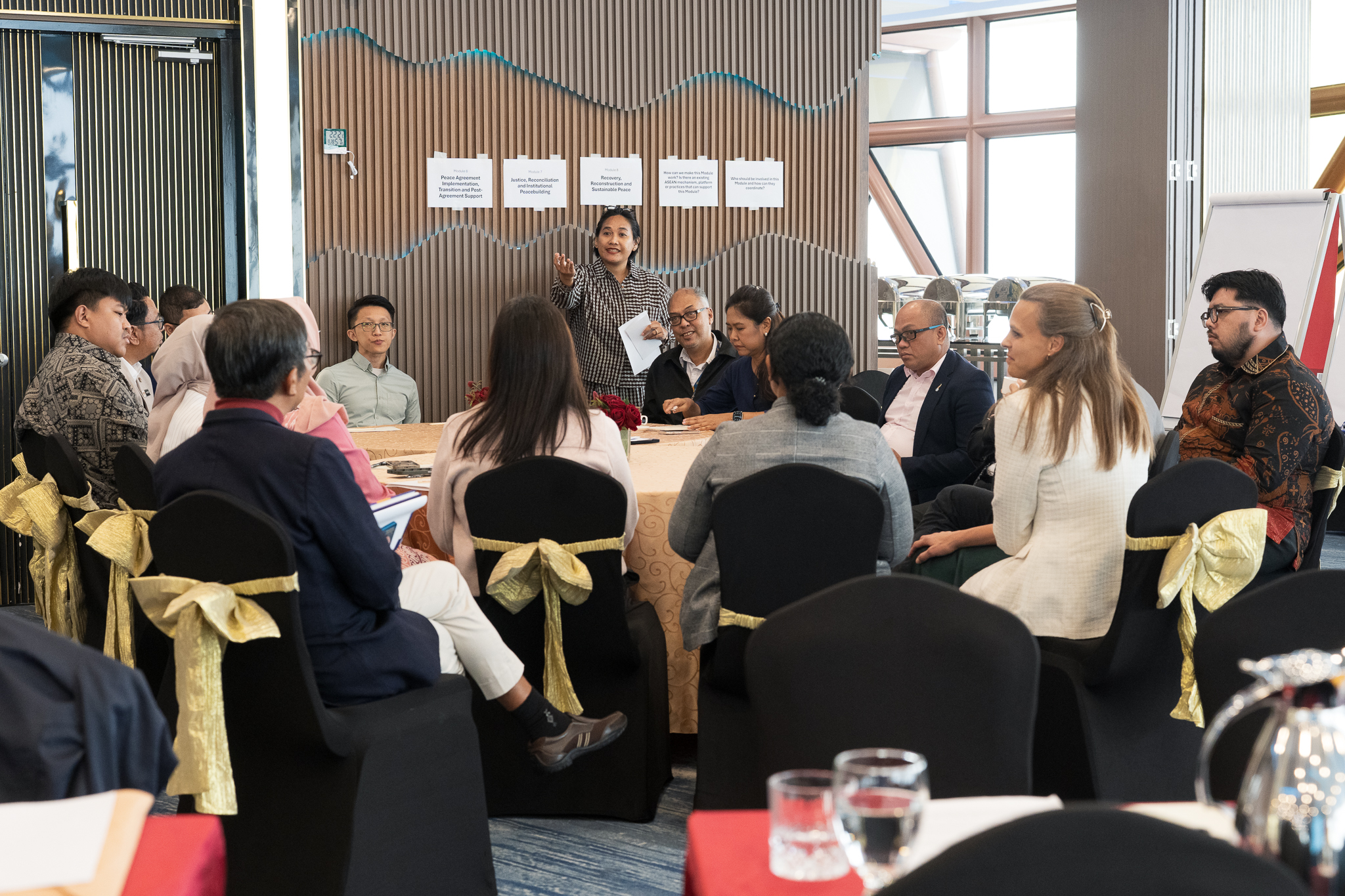
The central gap, participants agreed, is not a lack of mechanisms but making them work in practice: connecting, coordinating and operationalising what already exists. They called for stronger links between national and regional coordination, clearer ownership of the process, and better information-sharing, data coordination and follow-up among ASEAN bodies, governments, NHRIs, CSOs, communities and stakeholders. To close these gaps, participants put forward the following recommendations:
- Work together with communities, and sharing information through existing mechanisms.
- Build on channels that already work, including the AICHR-NHRI-CSO interfaces, the annual ASEAN Human Rights Dialogue and the ASEAN Peoples’ Forum (APF), among others.
- Enable AICHR to act as a bridge, conveying information and concerns to the ASEAN Foreign Ministers’ Meeting (AMM) and the ASEAN leaders.
- Share information widely with CSOs, NHRIs, academics, religious leaders, the private sector and affected communities.
- Move from early monitoring to early action, guided by the “6Ps” (People, Power, Pressure, Precedent, Peril and Protection).
- Track repeated incidents, which may signal deepening vulnerabilities.
- Have host countries lead coordination through a national task force, backed by capacity building for officials.
- Apply a gender lens throughout, with particular care for the rights and safety of women, children and persons with disabilities.
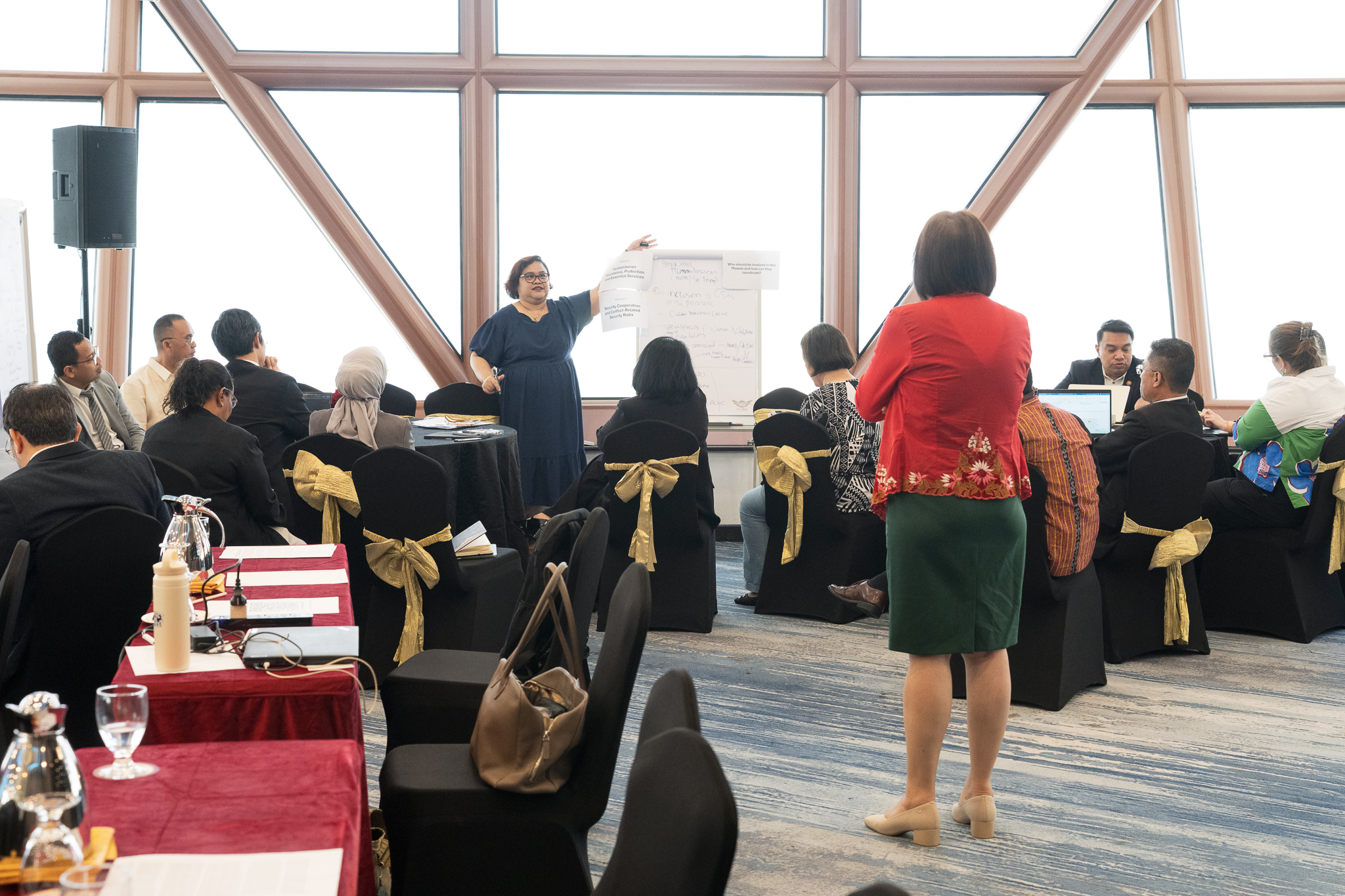
The outcomes of the workshop will feed into the draft ASEAN PPF, which seeks to incorporate human rights-based and gender-responsive indicators, as well as modalities for information-sharing and preventive action, consistent with ASEAN principles and existing mechanisms. Once finalised, the Framework will support ASEAN in building regional institutions that see risks earlier, respond faster and remain accountable to the people they serve.
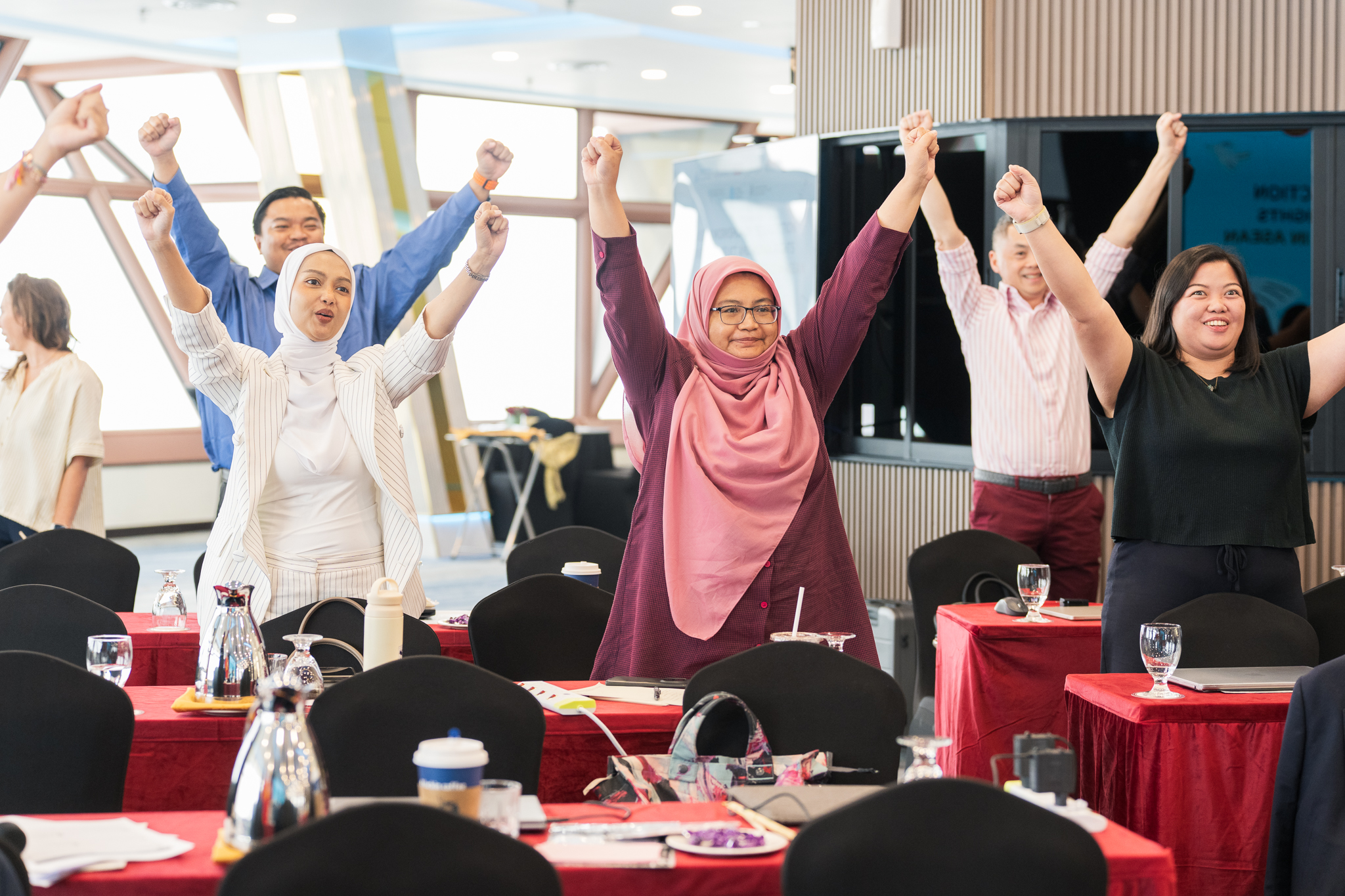
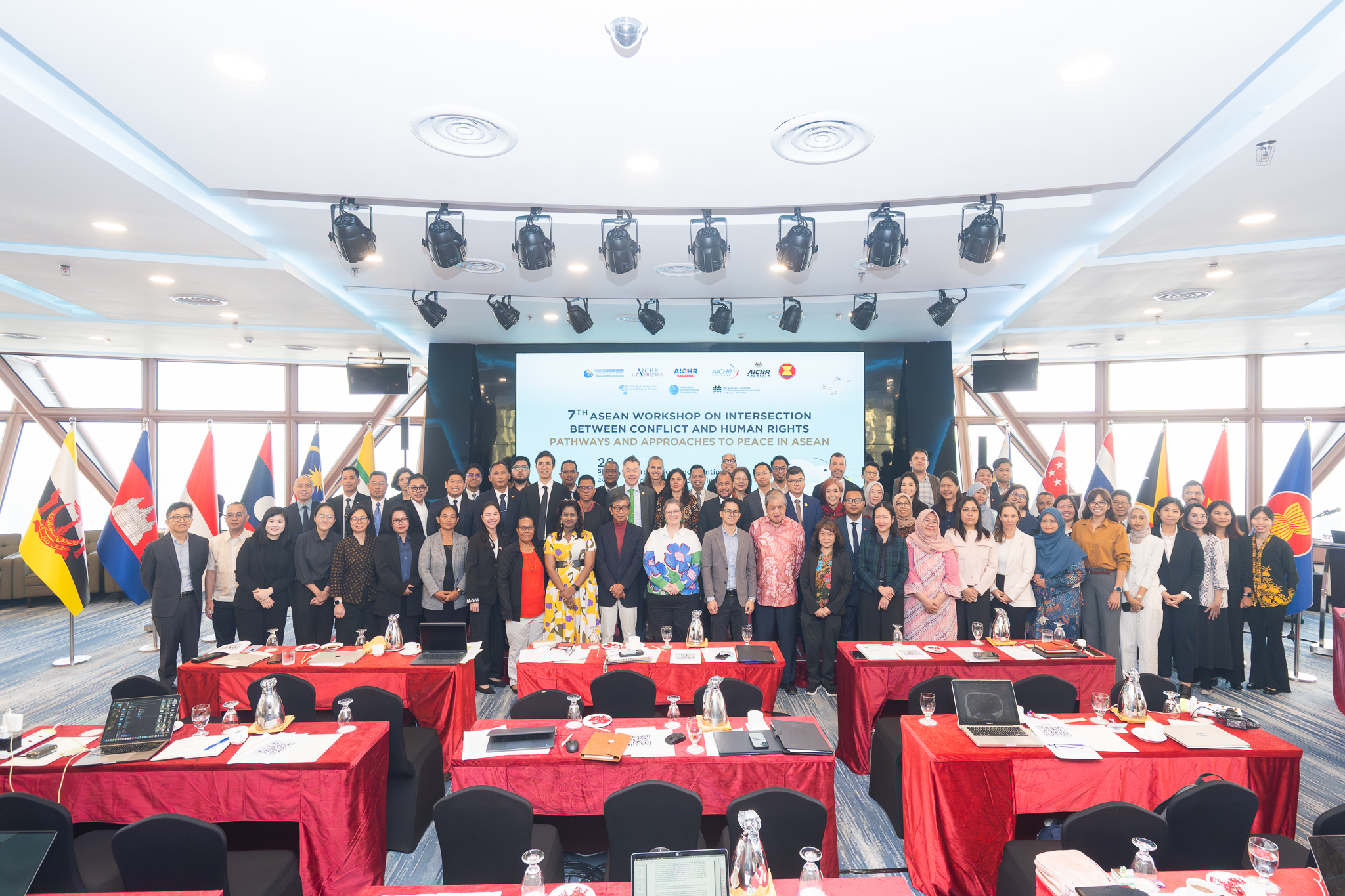
The workshop brought together more than 70 participants, including delegates of ASEAN Member States and representatives of government bodies, ASEAN Organs, Sectoral Bodies and Entities, NHRIs and CSOs, as well as academics and experts.
Led by AICHR and ASEAN Member States and funded through the ASEAN AICHR Fund, the workshop also benefitted from the support of the Auschwitz Institute for the Prevention of Genocide and Mass Atrocities (AIPG), the Australian Government through the Australian Human Rights Commission (AHRC), and the Asia-Pacific Centre for the Responsibility to Protect (APR2P) at the University of Queensland.
Click here for more photos and here for the video of the workshop.