
AICHR launches thematic study on the right to peace and peace pathways workshops in ASEAN
KUALA LUMPUR, 2 July 2025 – As ASEAN Chair this year, one of Malaysia’s human rights priorities is to enhance regional peace, stability, and security through dialogue and cooperation.
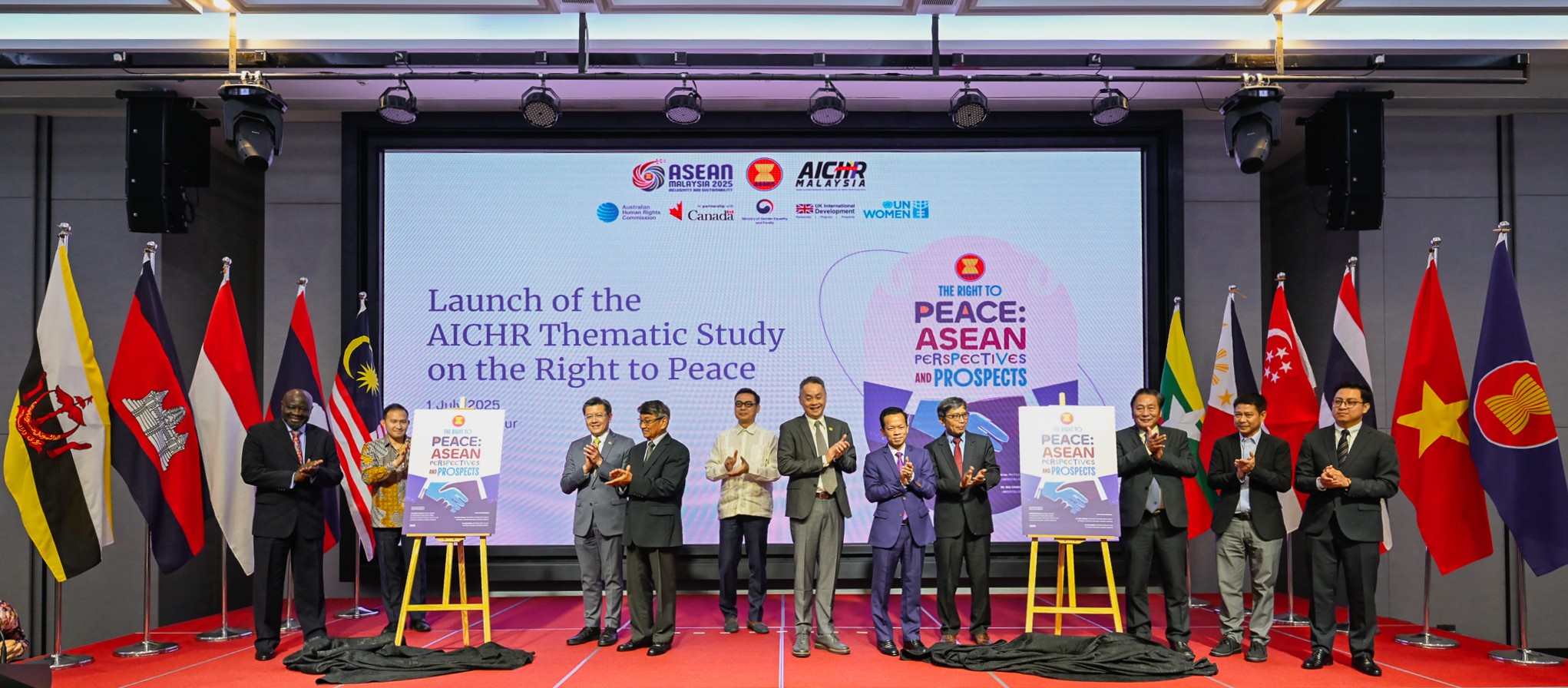
Following a period of enhanced consultation, the ASEAN Intergovernmental Commission on Human Rights (AICHR) adopted its Thematic Study on the Right to Peace at its 40th Meeting and Retreat held from 11 to 14 February 2025 in Langkawi, Malaysia. On 1 July, the Commission launched the study report, “The Right to Peace: ASEAN Perspectives and Prospects”. The report outlines key peace actors and initiatives in the region with recommendations for further consideration by ASEAN.
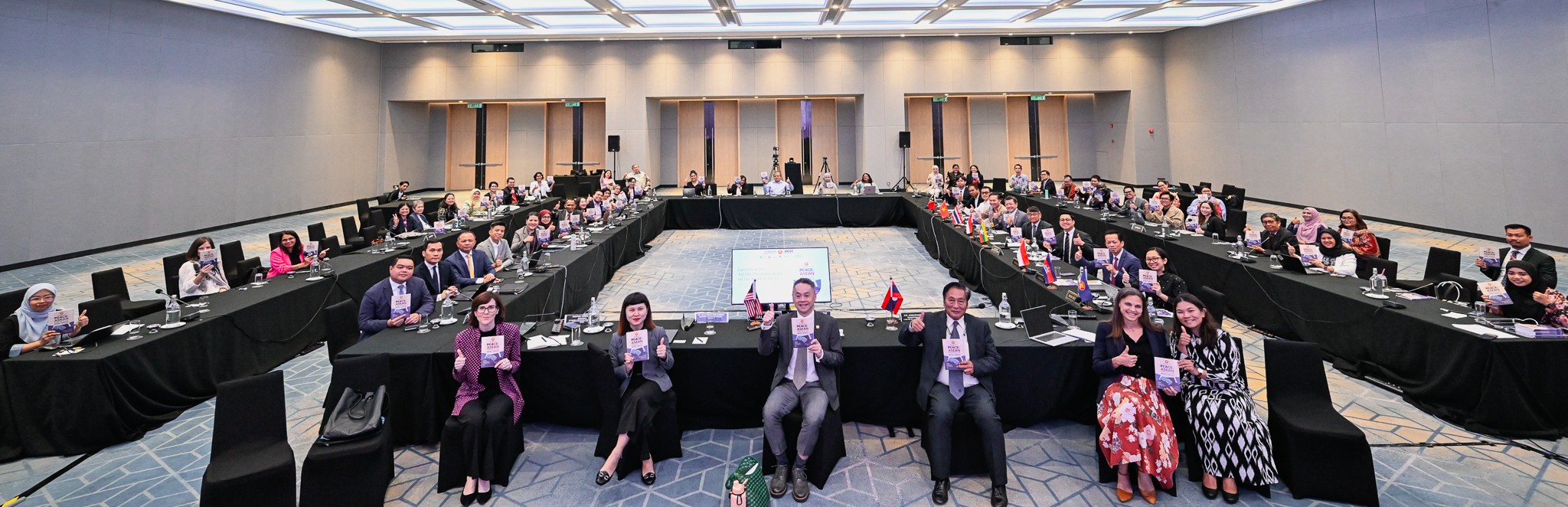
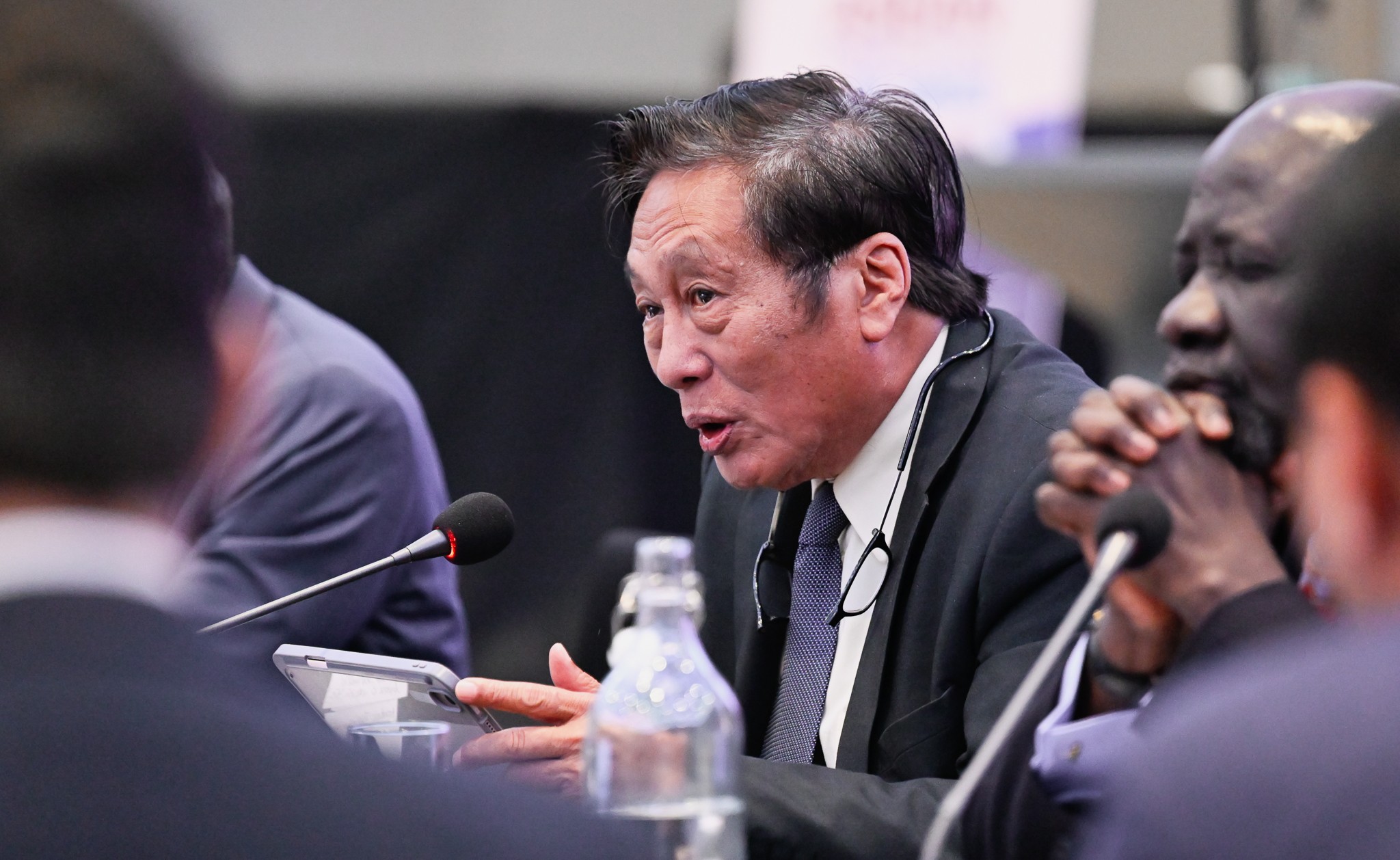
In his opening remarks, Ambassador Yong Chanthalangsy, Representative of Lao PDR to AICHR and lead proponent of the study, expressed his hope that the report will be useful for further deliberation on regional approaches to peace in ASEAN, and that AICHR will continue to mainstream human rights and peace across all ASEAN Community pillars.
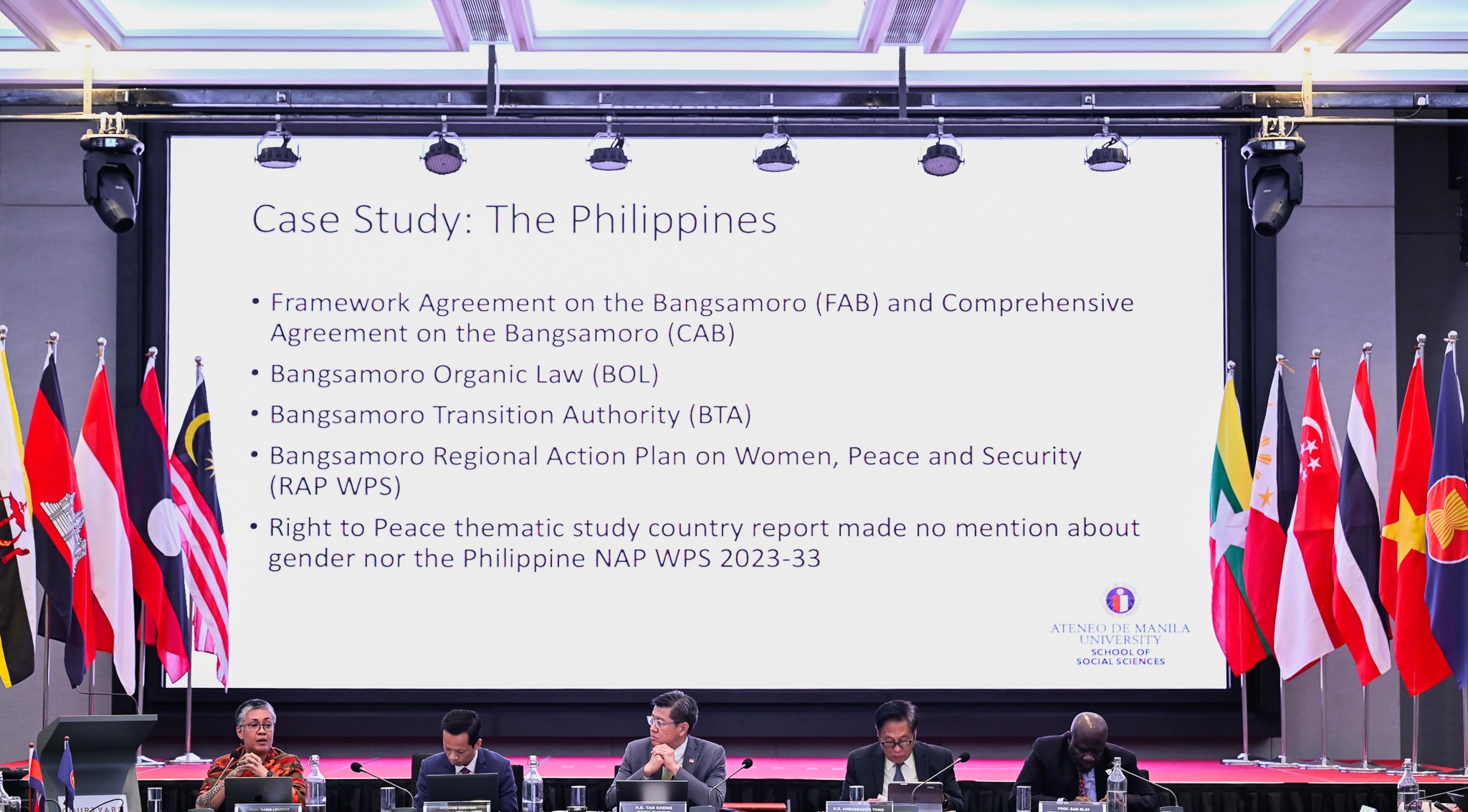
An expert panel then reflected on the meaning of the right to peace and right to enjoy peace, exploring whether the right is a collective or individual right, the roles of State and non-State actors, and the need to apply a gender lens to peacebuilding. Threats to peace and practical methods for transformative peacebuilding encompassing conflict prevention, dialogue, and social cohesion were also discussed.
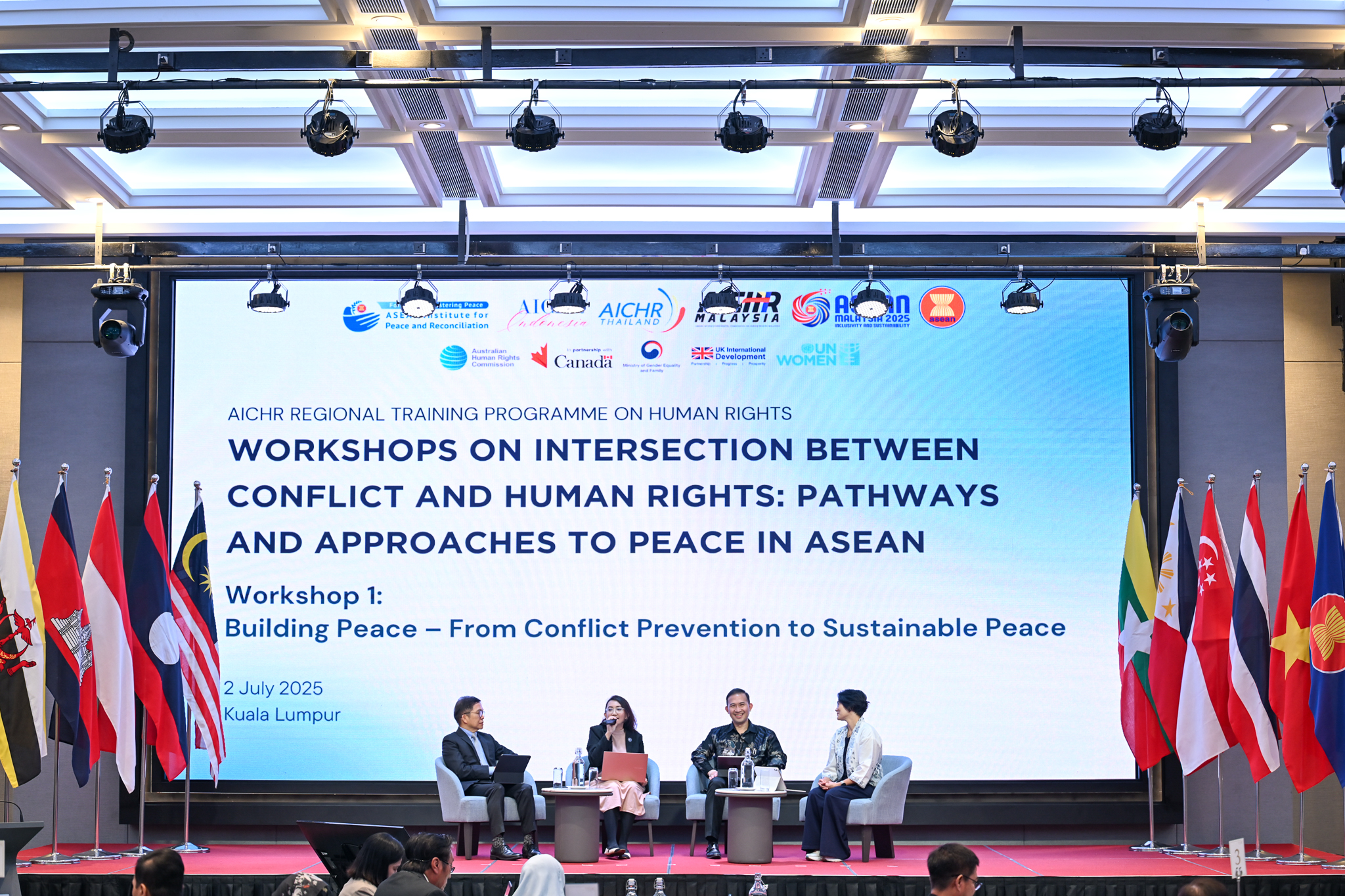
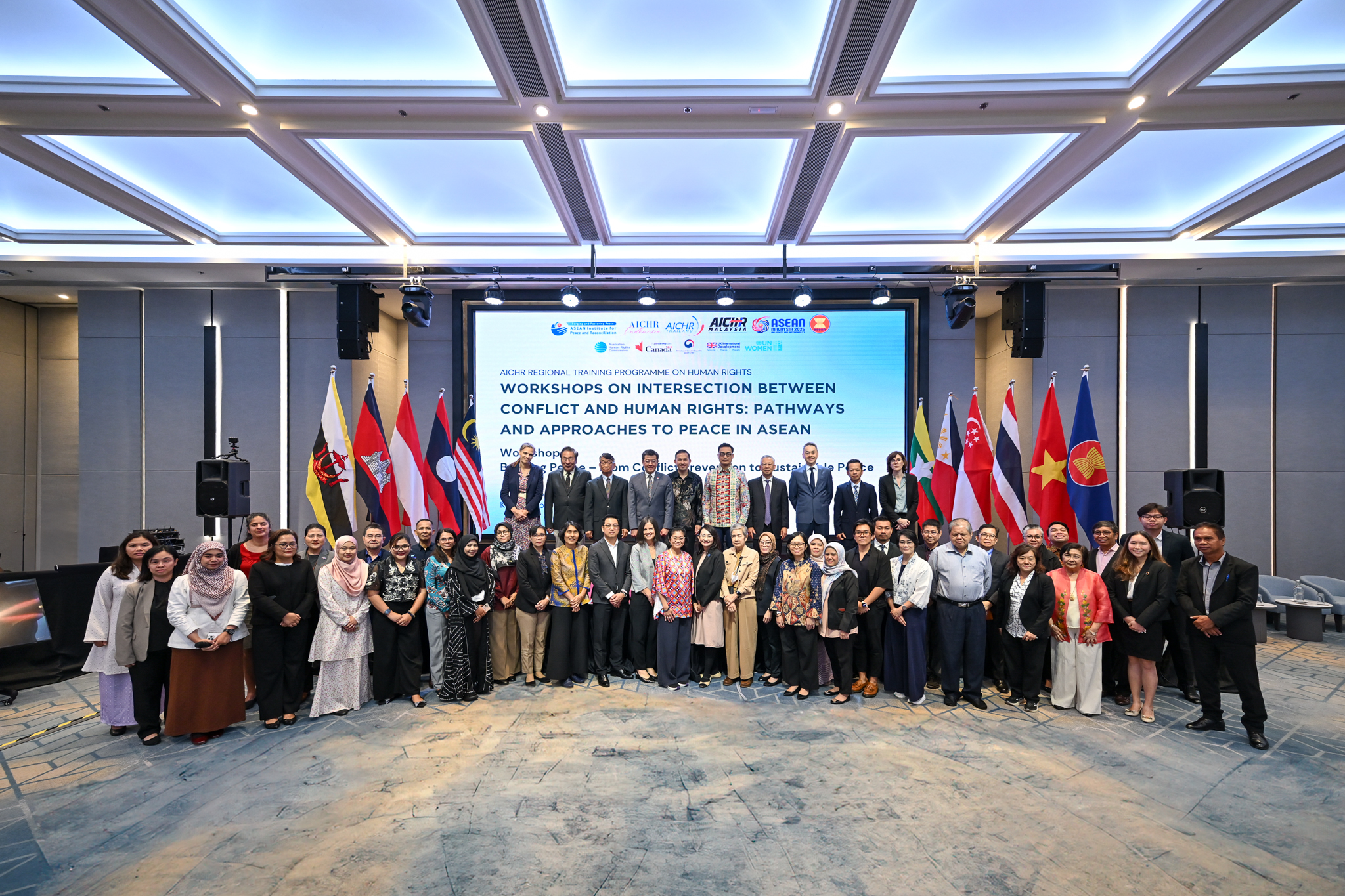
The launch event was followed, on 2 July, by AICHR’s first workshop, “Building Peace – From Conflict Prevention to Sustainable Peace” as part of a series of six themed “Workshops on Intersection between Conflict and Human Rights: Pathways and Approaches to Peace in ASEAN”. The peace pathways workshops, held under AICHR Malaysia’s Priority Programme, “Regional Training Programme on Human Rights”, mark a historic first and represent a significant milestone for AICHR in advancing regional human rights cooperation on issues of peace and conflict.
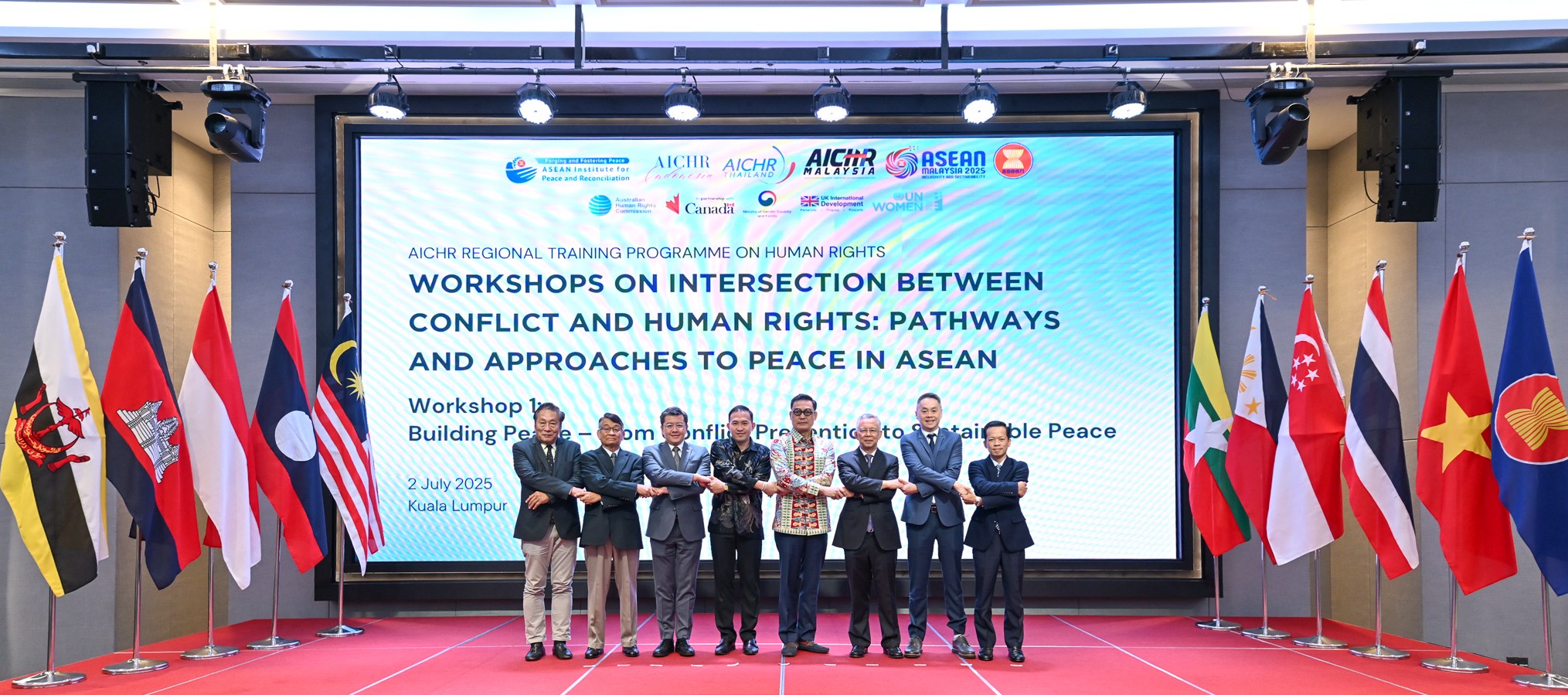
ASEAN has long played a crucial role in conflict prevention, management, and peacebuilding in Southeast Asia, guided by principles of non-interference, consensus-based decision-making, and respect for sovereignty. It has emphasised informal dialogue, consensus-building, and quiet diplomacy.
However, in today’s rapidly evolving geopolitical landscape, ASEAN faces growing challenges. The recently adopted ASEAN 2045: Our Shared Future calls on ASEAN institutions and mechanisms to be more responsive, innovative, agile, adaptive, decisive, timely and future-ready in meeting regional and global challenges. Processes need to be refreshed for this purpose.
To meet the call and address the challenges while enhancing ASEAN’s peacebuilding capacity, AICHR is advancing a transformative initiative to develop ASEAN pathways to peace, conflict prevention, management, and transformation through these six peace pathways workshops. They have been carefully designed to provide structured platforms for discussion, foster meaningful dialogue, and ensure thorough documentation for future reference and institutional memory.
The workshops complement the vital and valuable work of ASEAN organs, bodies and entities involved in peace efforts, including the Committee of Permanent Representatives (CPR), ASEAN Institute for Peace and Reconciliation (ASEAN-IPR), ASEAN Coordinating Centre for Humanitarian Assistance on Disaster Management (AHA Centre), ASEAN Committee on Disaster Management (ACDM), ASEAN Committee on Women (ACW), ASEAN Commission on the Promotion and Protection of the Rights of Women and Children (ACWC), ASEAN Women for Peace Registry (AWPR), ASEAN Disaster Resilience Platform (ADRP), ASEAN Disaster Resilience Forum (ADRF), ASEAN Defence Senior Officials’ Meeting (ADSOM), Working Group on Counter Terrorism (WG-CT) of the Senior Officials Meeting on Transnational Crimes (SOMTC), and Southeast Asian Women Peace Mediators, among others.
The workshops will collaboratively advance the 2022 ASEAN Regional Plan of Action on Women, Peace and Security (WPS) agenda and implement the 2017 ASEAN Declaration on Culture of Prevention for a Peaceful, Inclusive, Resilient, Healthy and Harmonious Society.
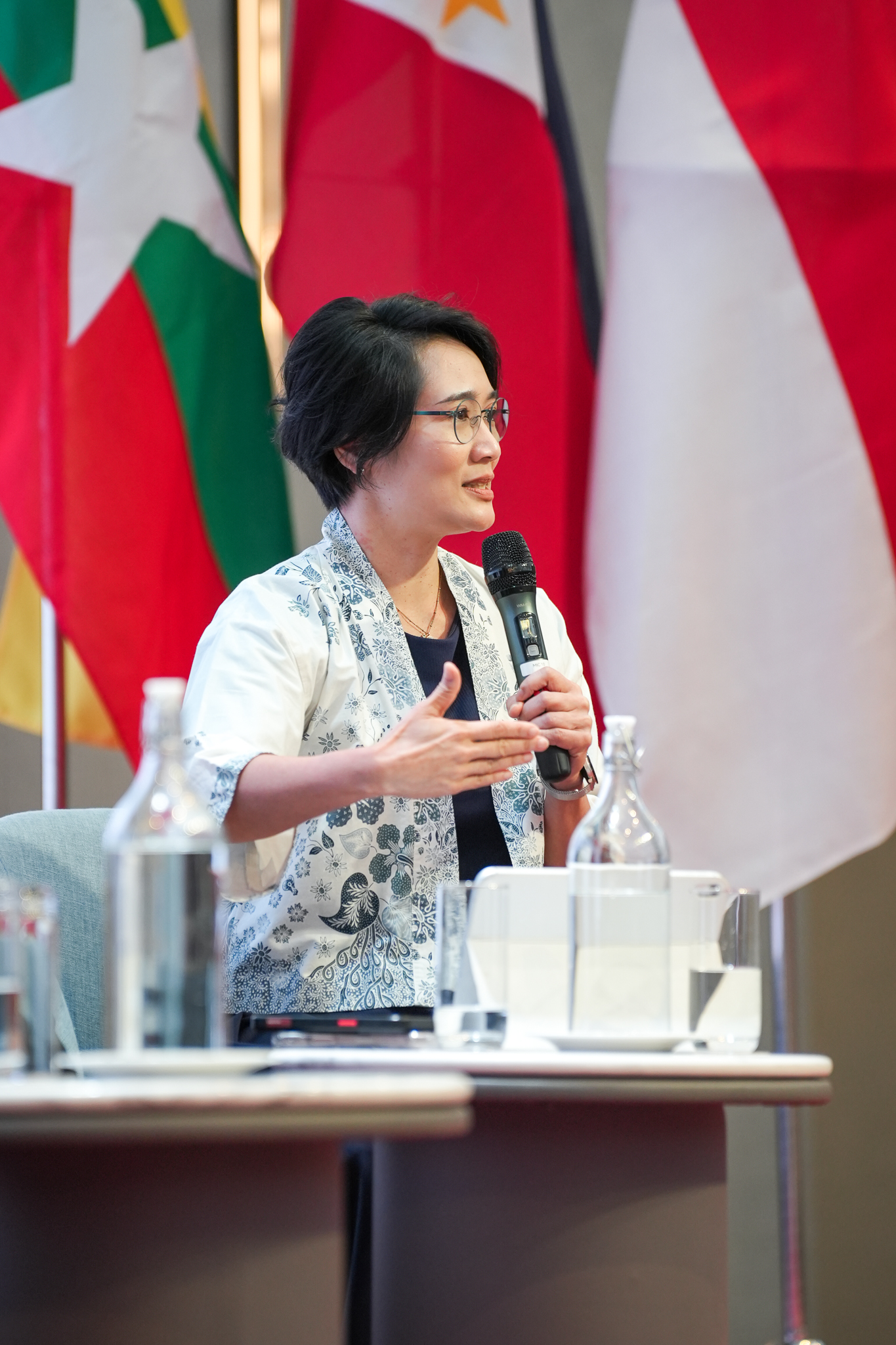
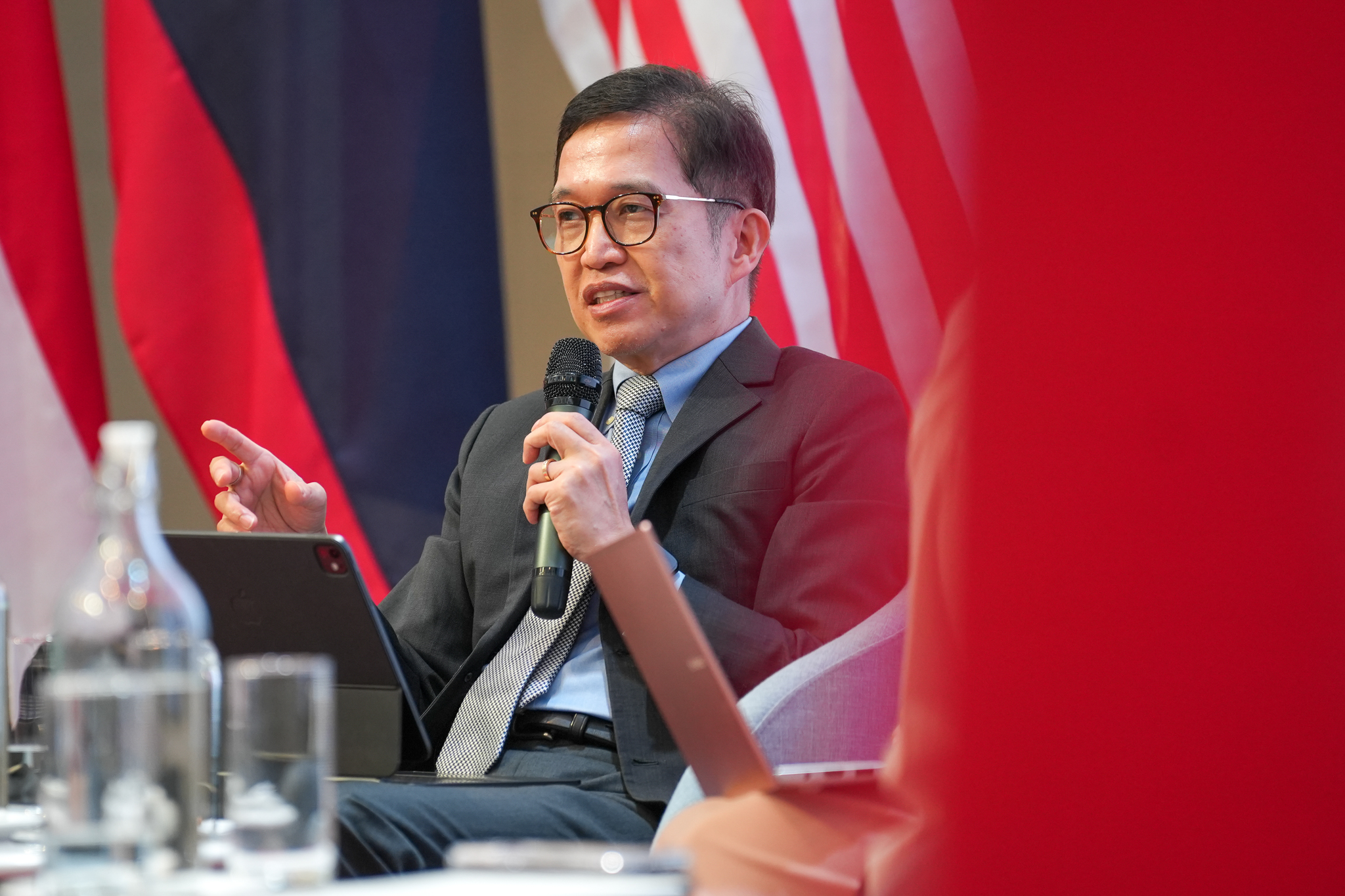
Led by Malaysia with co-proponents, Thailand and Indonesia, the peace pathways workshops are designed to be inclusive, ensuring that the voices of all rightsholders and stakeholders are meaningfully heard. These engagements will culminate in recommended outcome documents that outline ASEAN pathways and conceptual frameworks for peace, conflict prevention, management, and transformation.
Insights and learnings derived from the workshops will also contribute to the development of action lines for the proposed ASEAN Declaration on Promoting the Right to Development and Peace Towards Realising Inclusive and Sustainable Development, which is being advanced by AICHR in 2025.
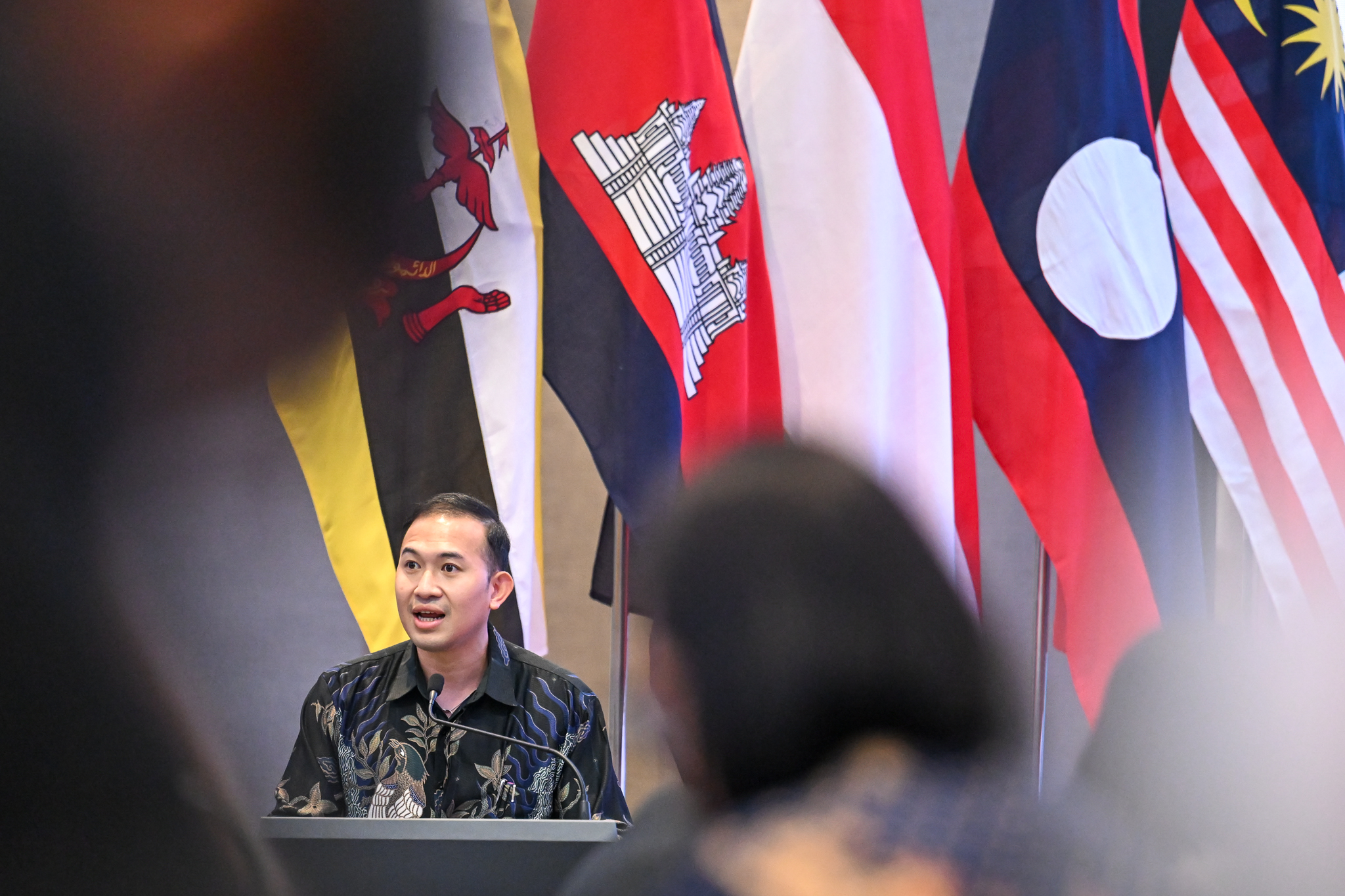
The Representative of Thailand to AICHR, Dr. Bhanubhatra Jittiang, in his welcome remarks, noted ASEAN’s longstanding commitment to peace and the need to go beyond negative peace to actively build sustainable, inclusive and just peace.
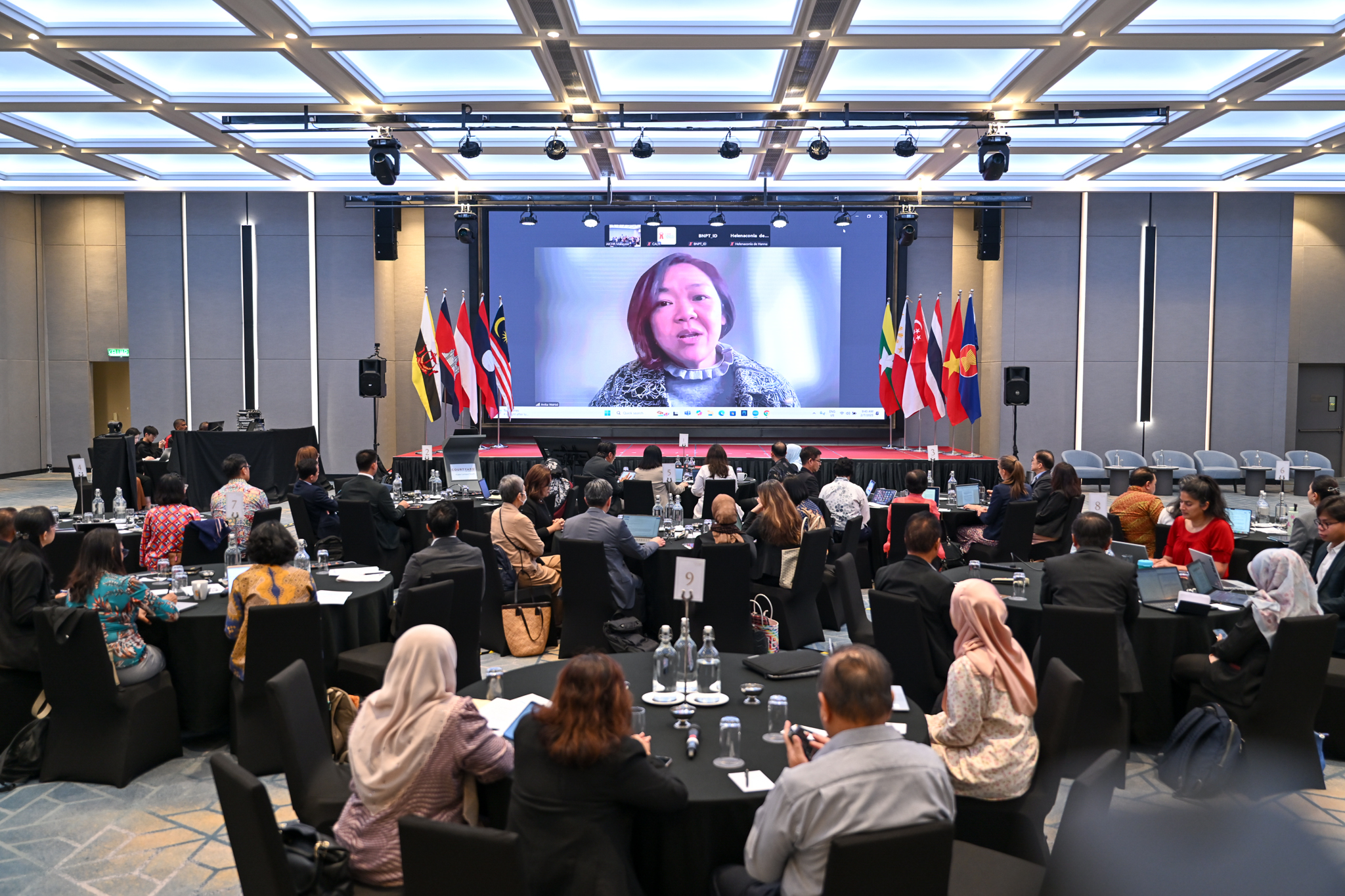
Anita A. Wahid, Representative of Indonesia to AICHR, in her welcome remarks, emphasised that peace without human rights and justice is temporary, and the need to reflect on ASEAN’s shared values of peace, dignity, justice, and people-centred development.
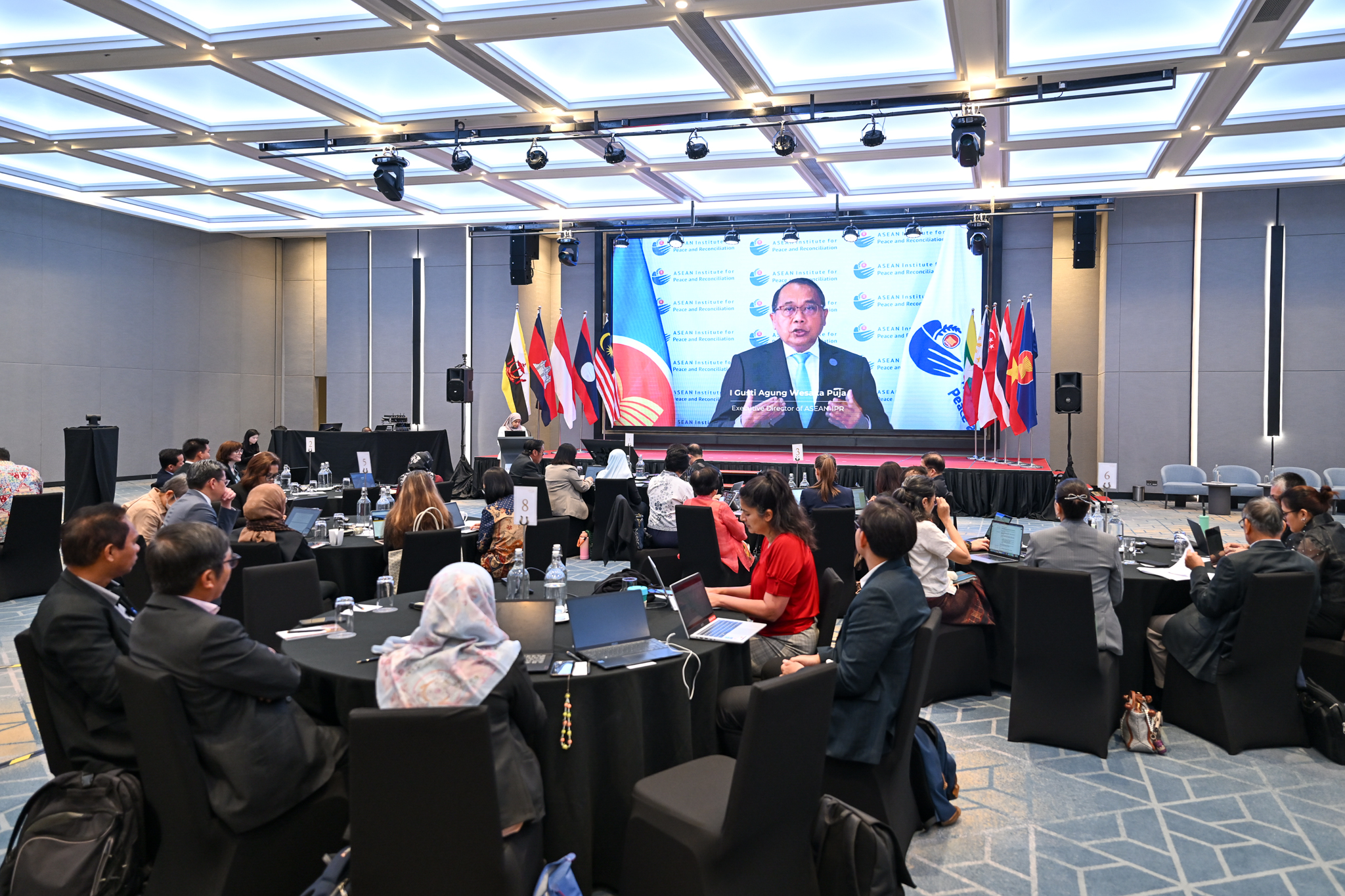
In his recorded message, I Gusti Agung Wesaka Puja, Executive Director of the ASEAN-IPR, encouraged ASEAN to view human rights in a positive light and not to adopt a defensive attitude, recognising that ASEAN’s approach has evolved over time, culminating in the ASEAN Human Rights Declaration (AHRD) in 2012. Article 38 on the right to peace emphasises the duty of ASEAN Member States to ensure peace and stability are maintained through avenues of cooperation. He noted that concepts of peace and human rights have always been deeply entwined, where peace is seen as a pre-requisite to human rights and human rights are the foundation for building and sustaining peace.
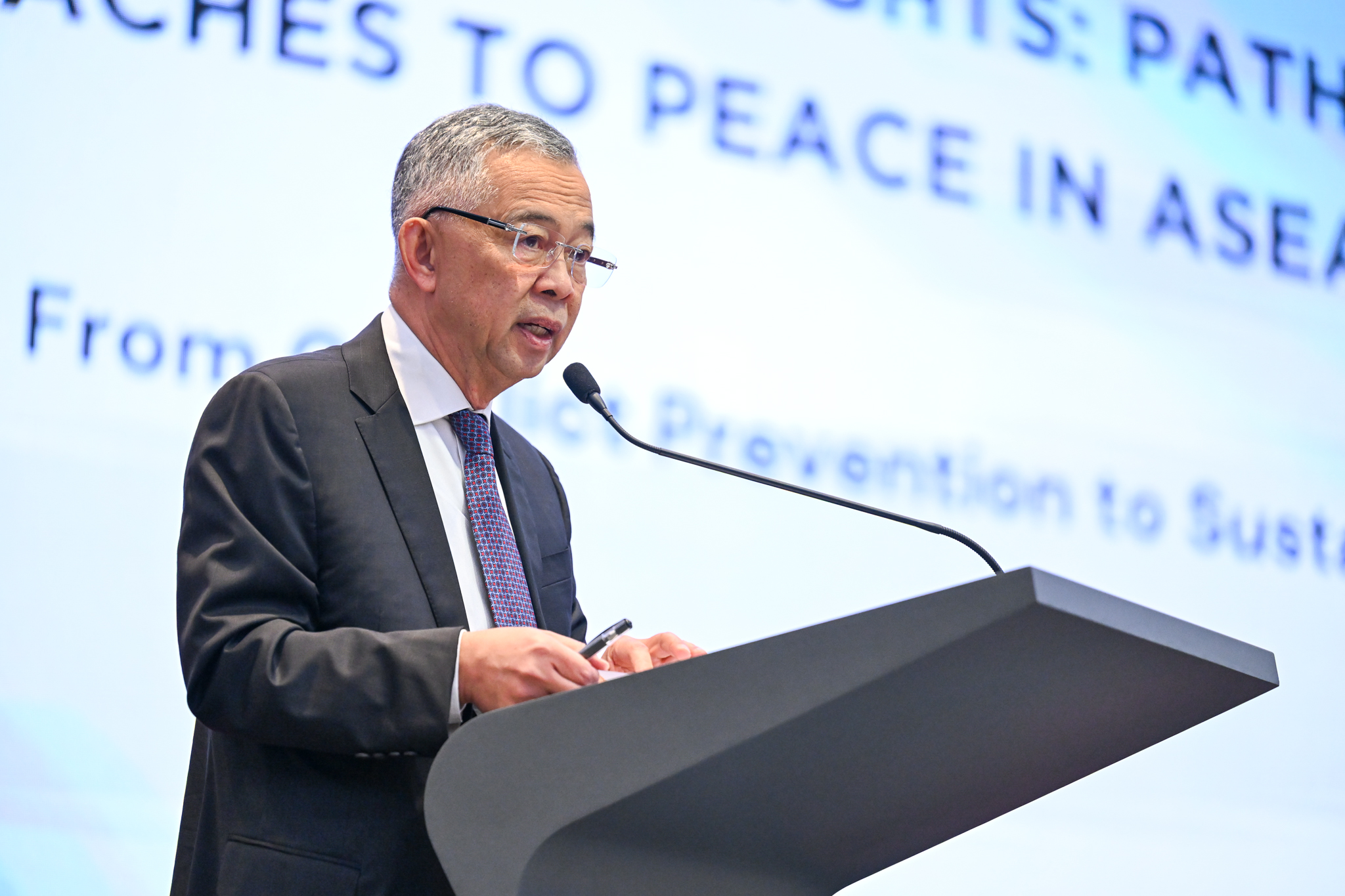
The Special Envoy of the ASEAN Chair on Myanmar, Tan Sri Othman Hashim, delivered the keynote address and reflected on peacebuilding initiatives and challenges in ASEAN. He emphasised that trust- and confidence-building, inclusive dialogue, and regional support mechanisms are important building blocks to sustainable peace in the region. He recognised that in any conflict, human rights are the first to be violated and the last to be restored, and that peace should be discussed with human rights. Addressing human rights is not optional, but fundamental.
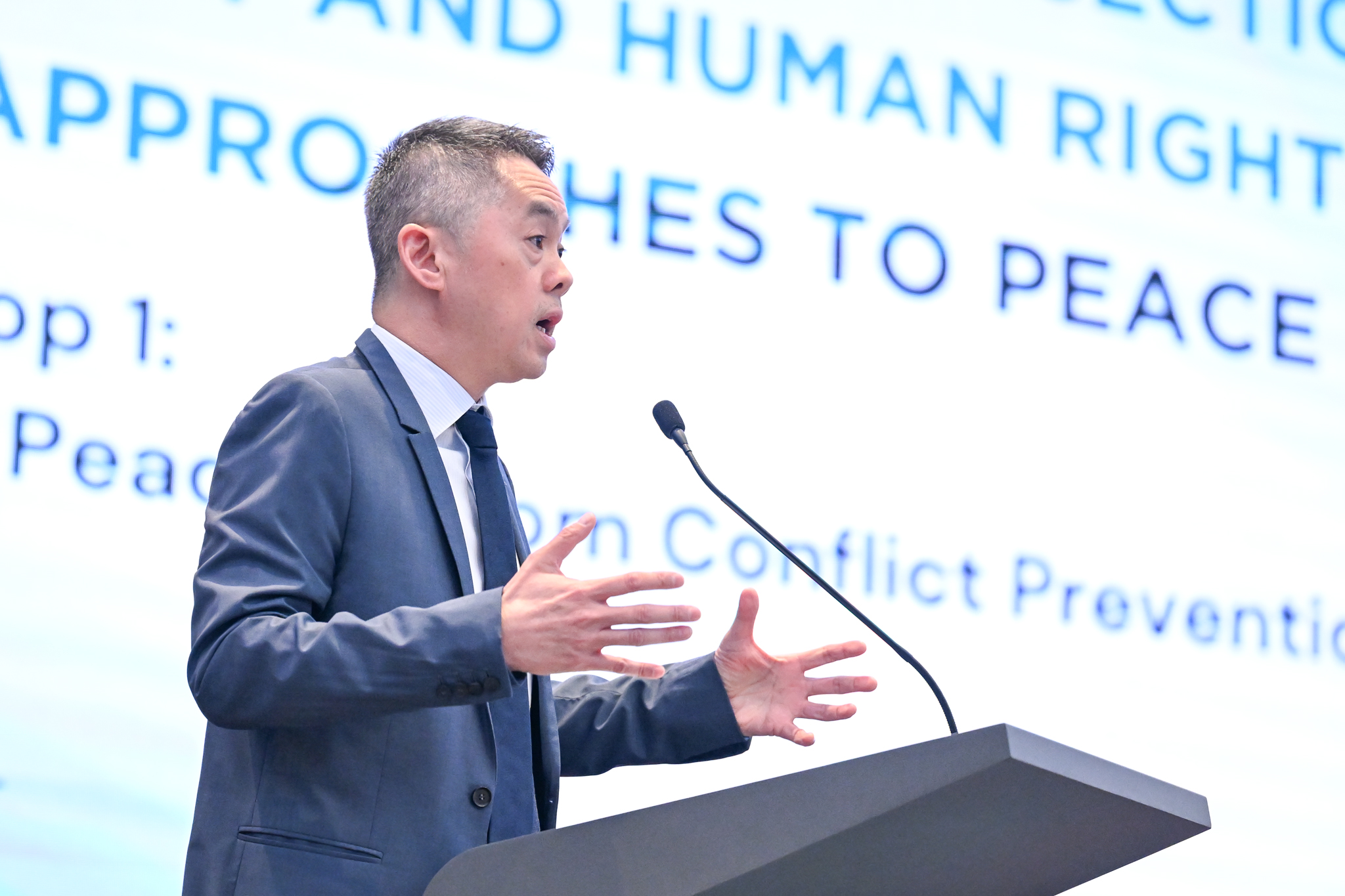
In his opening remarks, Edmund Bon Tai Soon, AICHR Chair and Representative of Malaysia to AICHR, highlighted the significance of Article 38 of the AHRD, which recognises peace as a human right. He emphasised the important role of AICHR in providing a safe space for frank and constructive discussions on complex issues, such as ongoing conflicts, and the need for ASEAN to refresh its processes ensuring that its mechanisms are responsive and future-ready. He welcomed collaboration with ASEAN organs, bodies and entities to advance peace and peace mechanisms in the region.
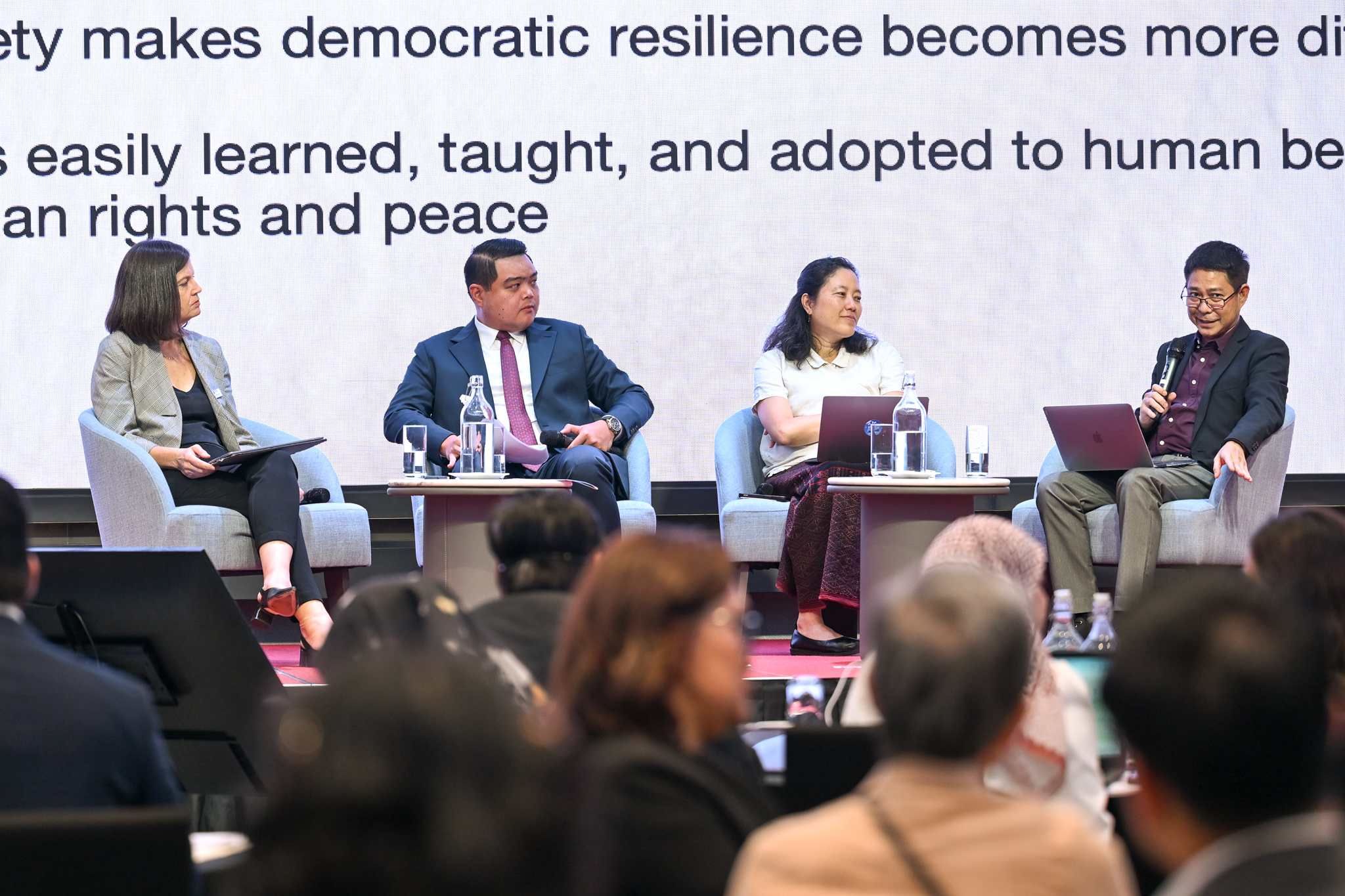
The first peace pathways workshop focused on the theories of peace and peacebuilding, their application in past regional conflicts, the evolution from State-centred peace to human-centred security and inclusive governance, and the intersections of conflict, peace and human rights.
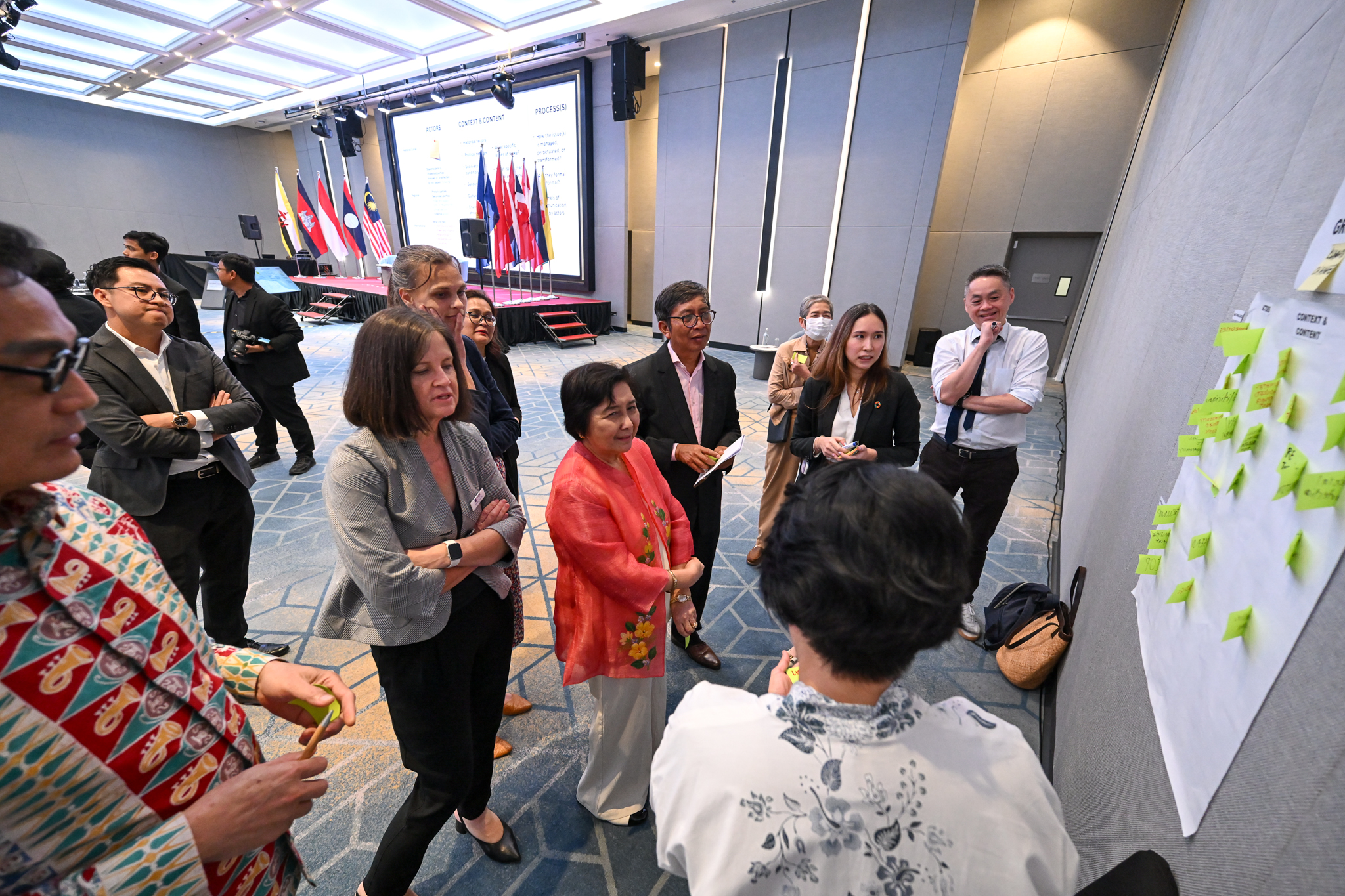
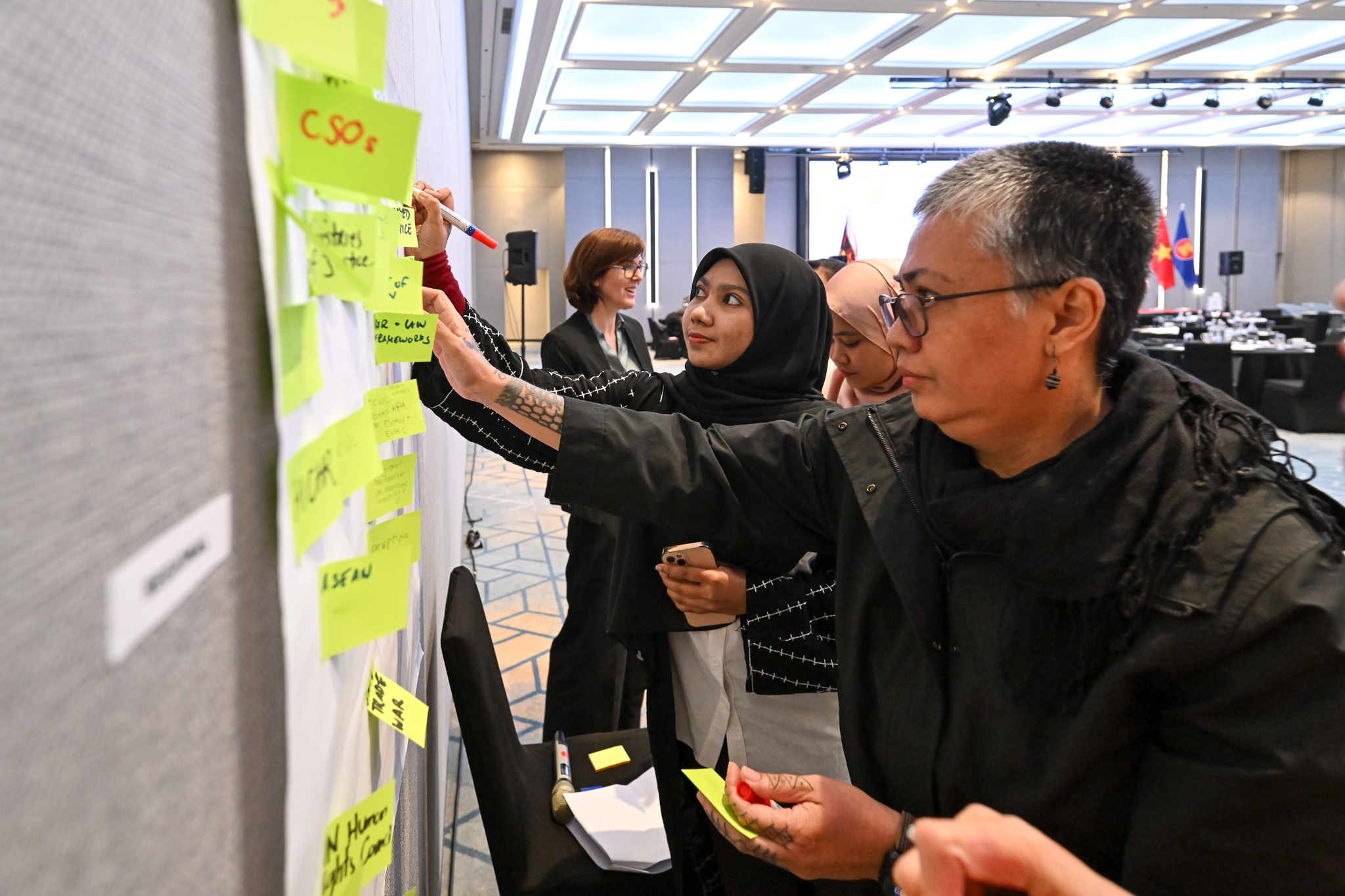
Delegates interactively mapped peace actors in ASEAN, highlighting the important but under-recognised roles of civil society, women, youth and grassroots peacebuilders in maintaining peace and preventing relapse into conflict. Conflict dynamics and hotspots, and factors to prevent and resolve conflict while sustaining lasting and durable peace were also identified.
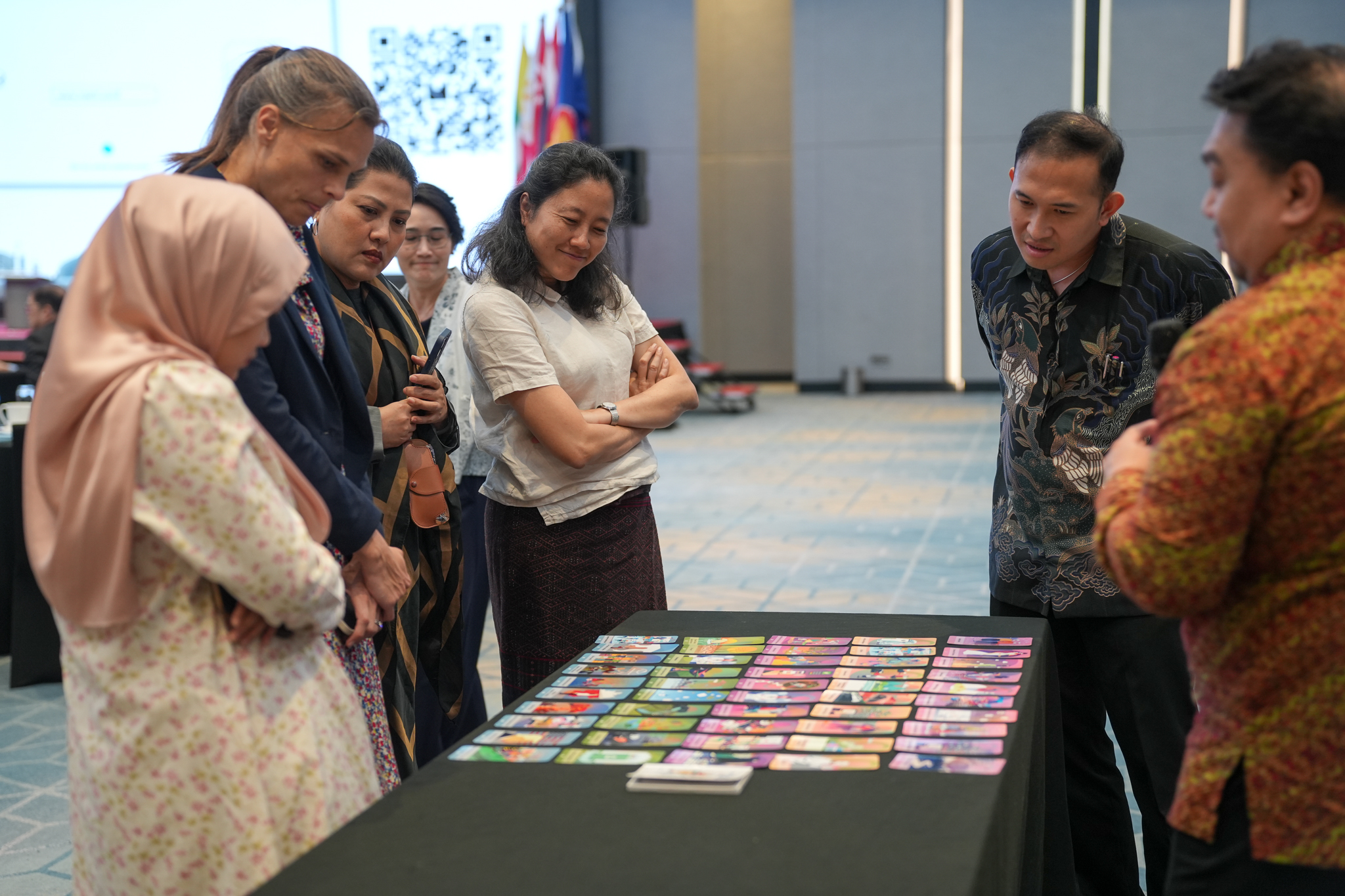
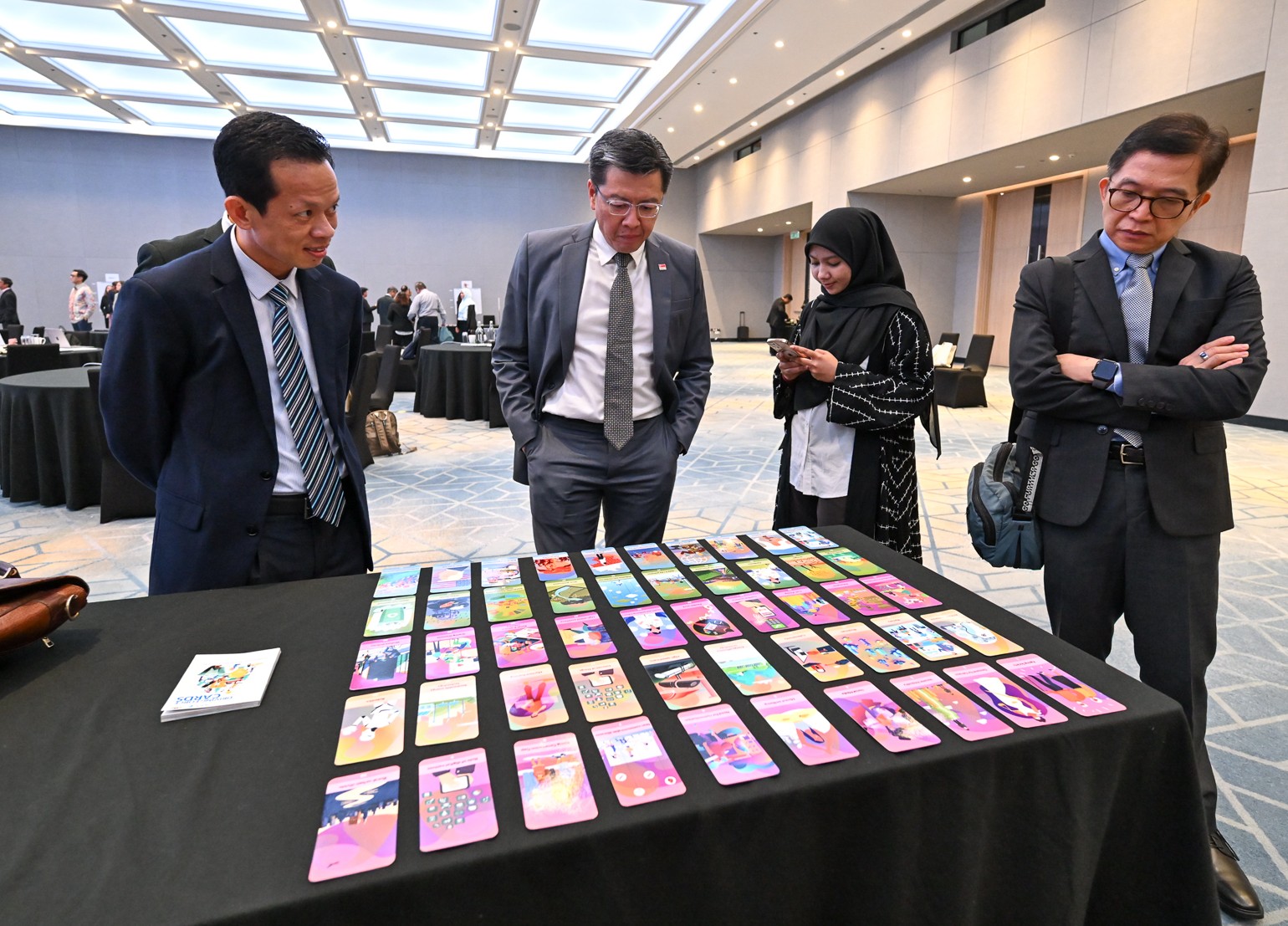
The workshop was attended by representatives from AICHR, ASEAN sectoral bodies, entities and centres, national human rights institutions, academics, and civil society organisations. It was organised by AICHR in collaboration with ASEAN-IPR and supported by United Nations Women (UN Women) and Australia through the Australian Human Rights Commission (AHRC).
The second, third and fourth peace pathways are due to be held in August 2025.
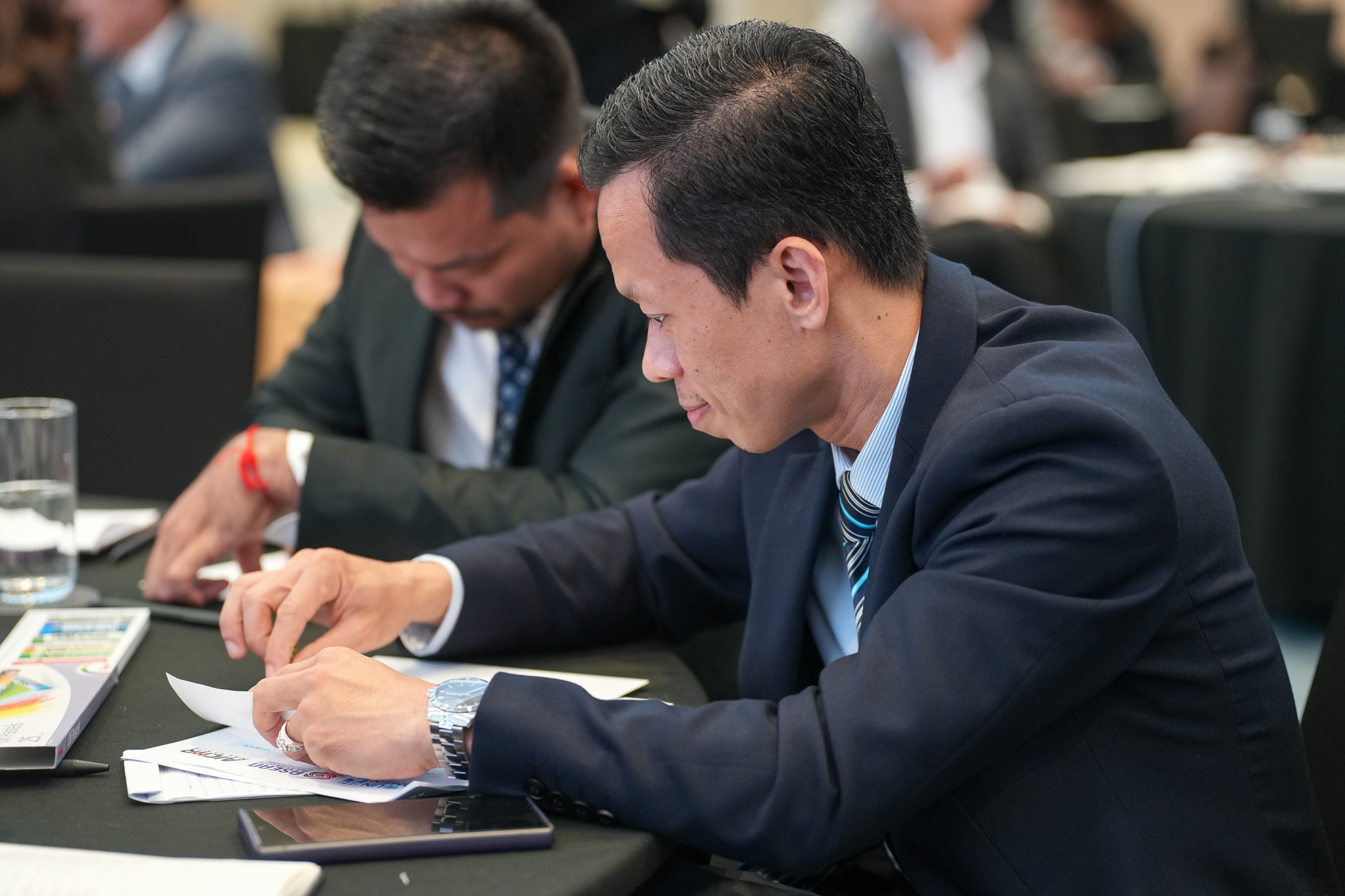
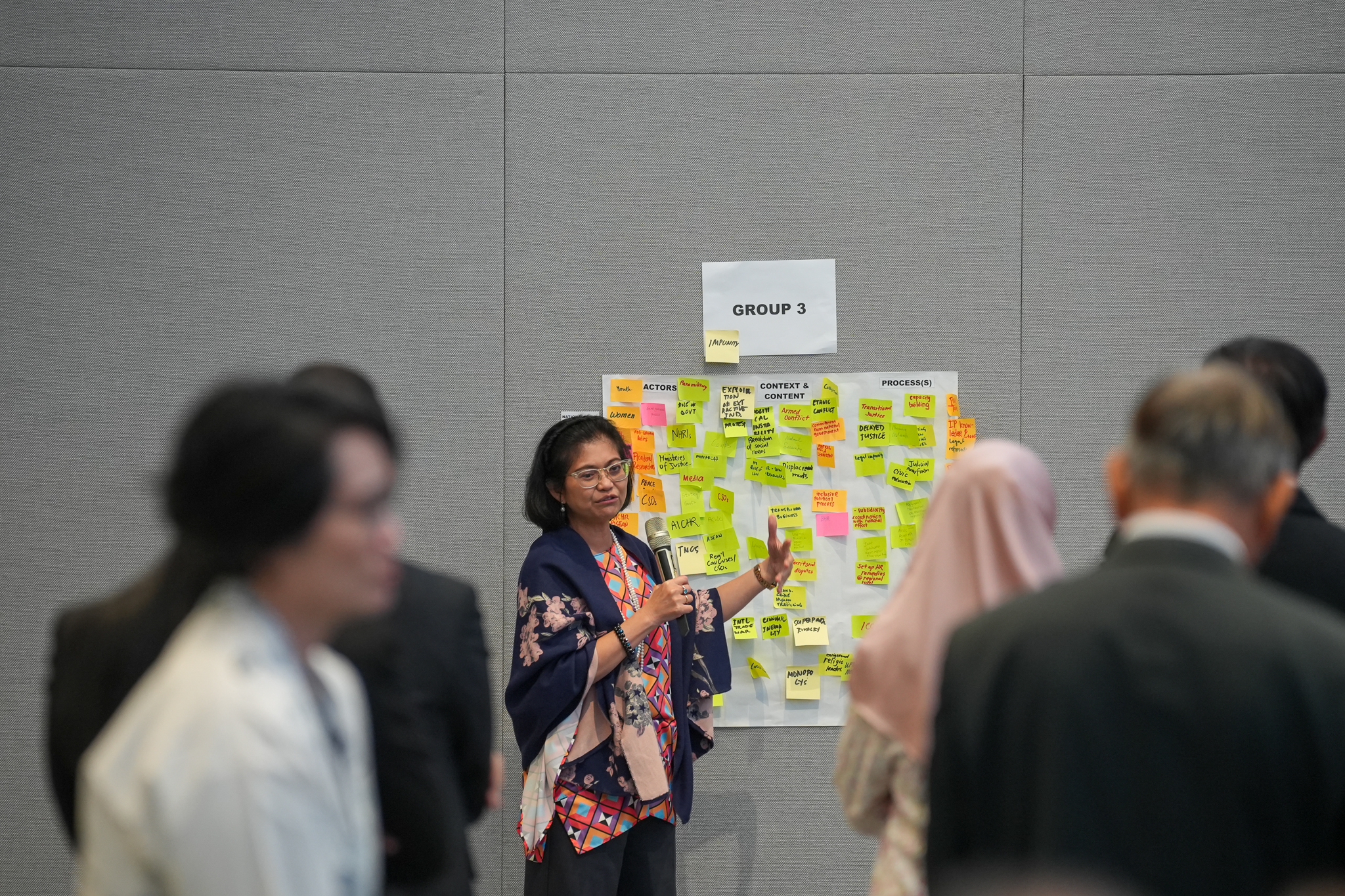
Ambassador Tiffany McDonald, Head of Mission of Australia to ASEAN, Cristina Fernández Escorza, UN Women, and Raja Intan Nor Zareen, Ministry of Foreign Affairs of Malaysia, highlighted the importance of understanding peace not merely as the absence of war but as a condition rooted in human rights, justice, inclusion, dignity, and accountability.
—-
The AICHR Thematic Study on the Right to Peace report, “The Right to Peace: ASEAN Perspectives and Prospects”, is available here. Click here for more photos of the thematic study report launch and here for photos from the first peace pathways workshop.