
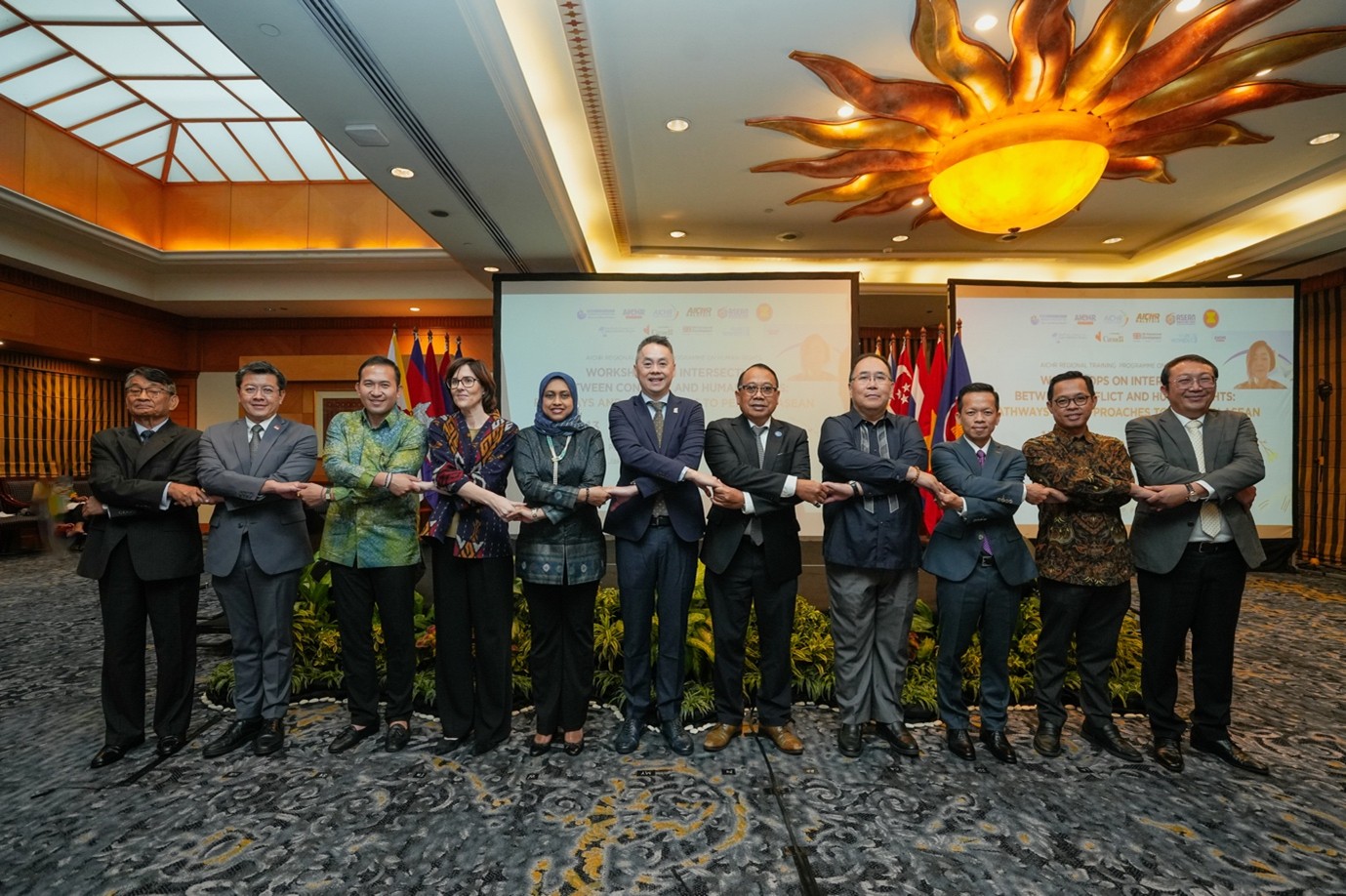
AICHR intensifies ASEAN conflict prevention, peacebuilding, and human rights framework discussions
JAKARTA, 15 August 2025 — The ASEAN Intergovernmental Commission on Human Rights (AICHR), led by Malaysia with co-proponents Indonesia and Thailand, convened three interlinked peace pathways workshops from 13 to 15 August in Jakarta, Indonesia.
The workshops are part of Malaysia’s agenda as the ASEAN Chair leading the region to explore a human rights-based approach to conflict prevention, conflict management, reconciliation, and peacebuilding. This initiative by AICHR puts ASEAN’s peace-related initiatives and commitments into practice while supporting the vision of ASEAN 2045: Our Shared Future for a resilient, innovative, dynamic, and people-centred ASEAN.
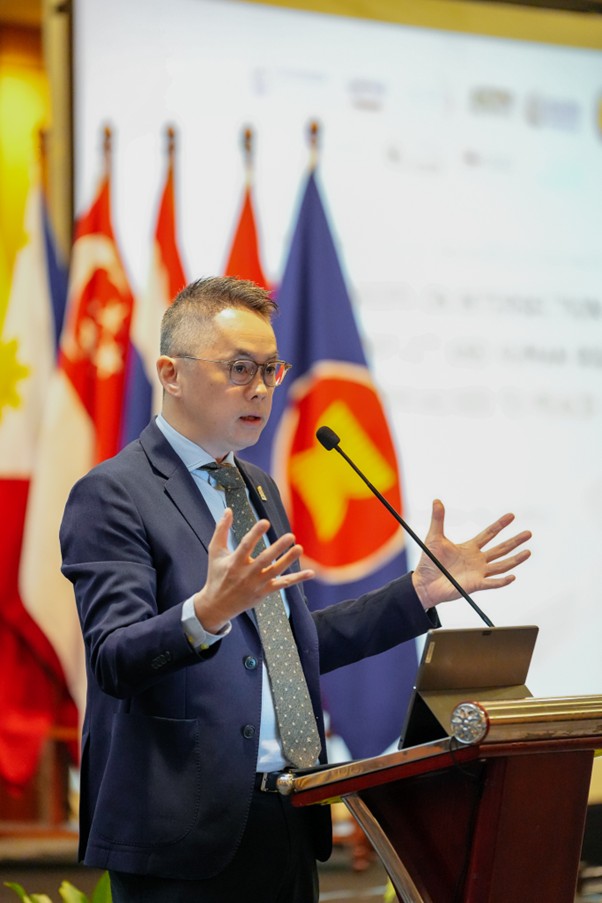
In explaining the need for these peace pathways workshops, Edmund Bon Tai Soon, AICHR Chair for 2025 and Representative of Malaysia to AICHR, reiterated the 20-year vision of ASEAN, which calls for strengthened institutions and improved mechanisms that are more decisive, responsive, and timely, as well as future-ready, to address global and regional challenges. “We aim to update our toolbox,” Bon said.
Day 1 (13 August) — ASEAN mechanisms for conflict prevention and peacebuilding
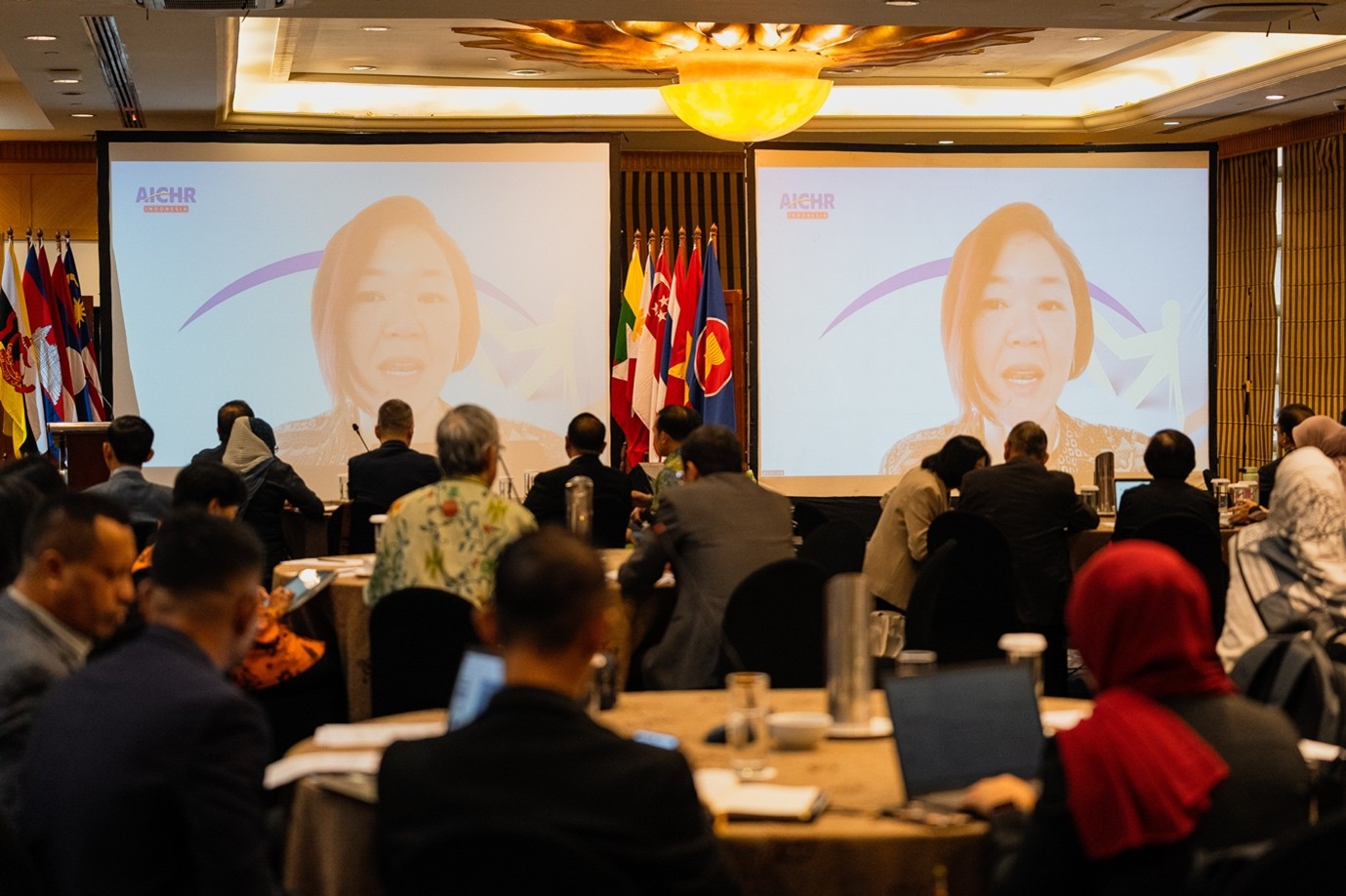
The first workshop concentrated discussions on ASEAN mechanisms for conflict prevention and peacebuilding. In her opening remarks, Anita A. Wahid, Representative of Indonesia to AICHR, acknowledged that challenges such as political sensitivities, national interests, and the principle of non-interference can sometimes limit ASEAN’s effectiveness. Nonetheless, she emphasised the importance of deepening our understanding of ASEAN’s frameworks – such as the ASEAN Charter and Treaty of Amity and Cooperation in Southeast Asia (TAC) – and striking a careful balance between sovereignty and timely conflict prevention.
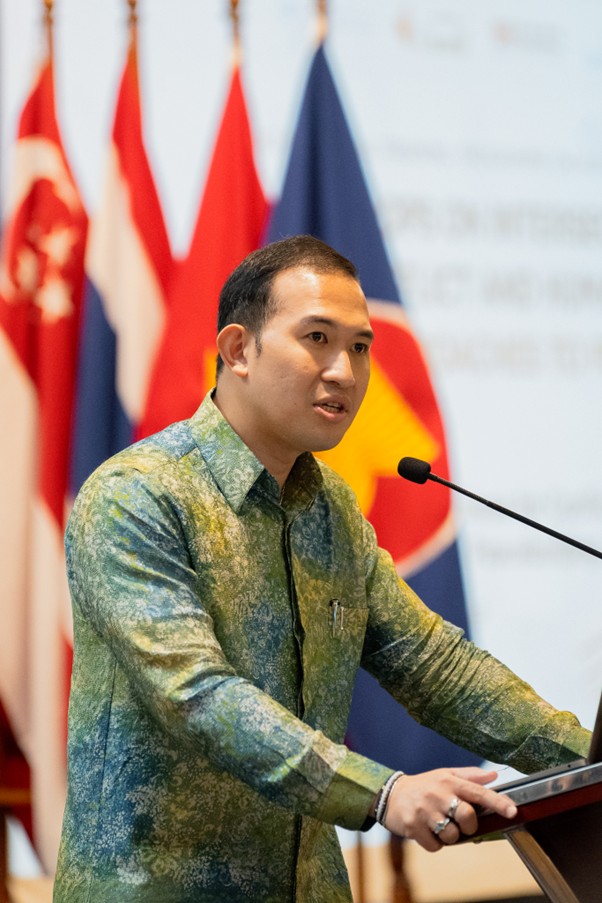
Dr. Bhanubhatra Jittiang, Representative of Thailand to AICHR, said that peace is not just the absence of conflict, but the creation and maintenance of an environment where people can live safely, with dignity, and enjoy their rights fully. He observed that ASEAN’s long-established principles of dialogue, trust-building, and mutual respect remain relevant, but today’s uncertainties are increasingly testing them. He called on ASEAN to explore new tools and frameworks to tackle emerging challenges.
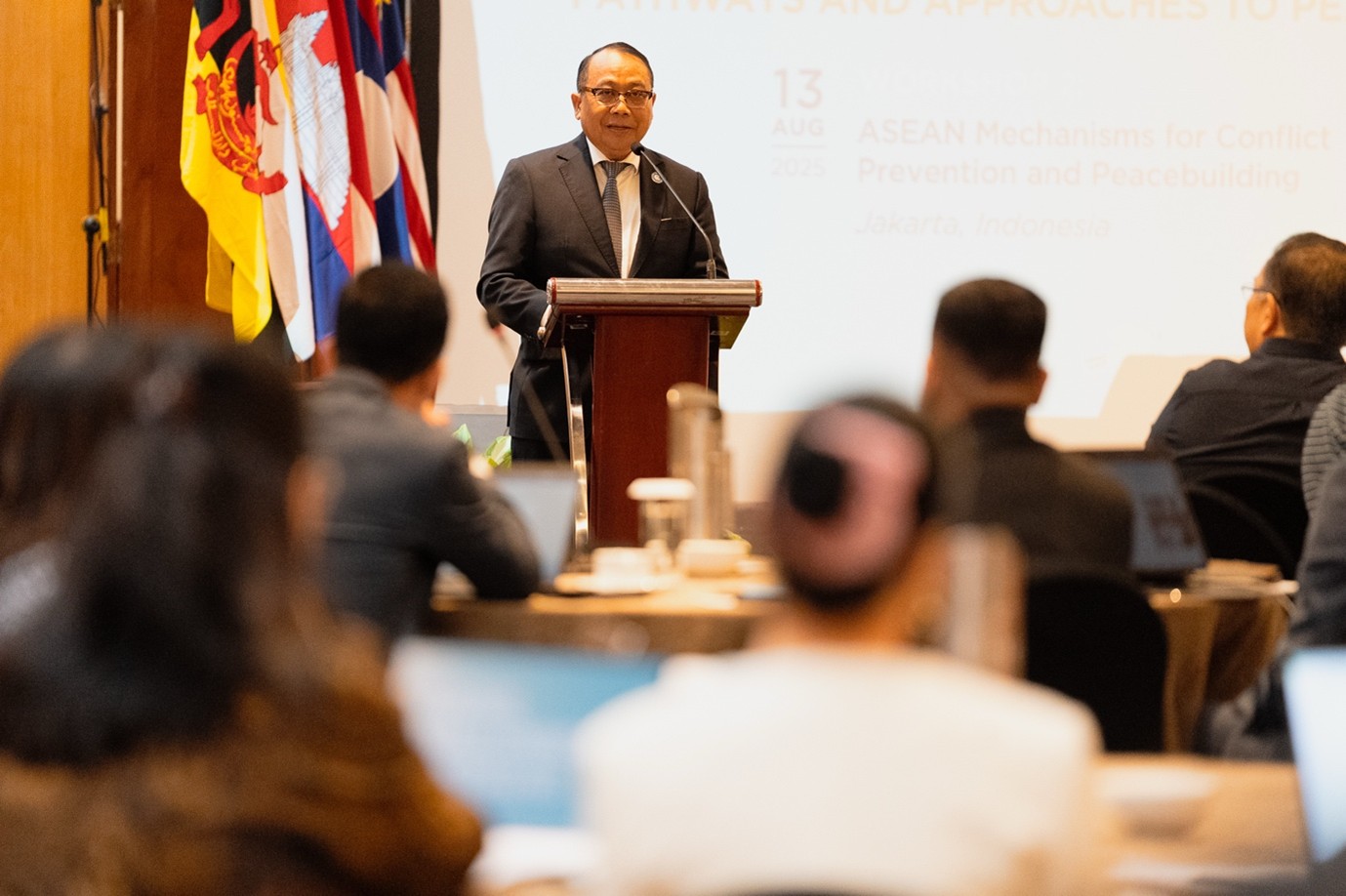
Meanwhile, I Gusti Agung Wesaka Puja, Executive Director of the ASEAN Institute for Peace and Reconciliation (ASEAN-IPR), reiterated that “the right to peace is a manifestation of the interconnectedness between peace and human rights,” noting that effective peacebuilding requires an integrated and holistic approach, one that considers human rights, peace and security concerns.
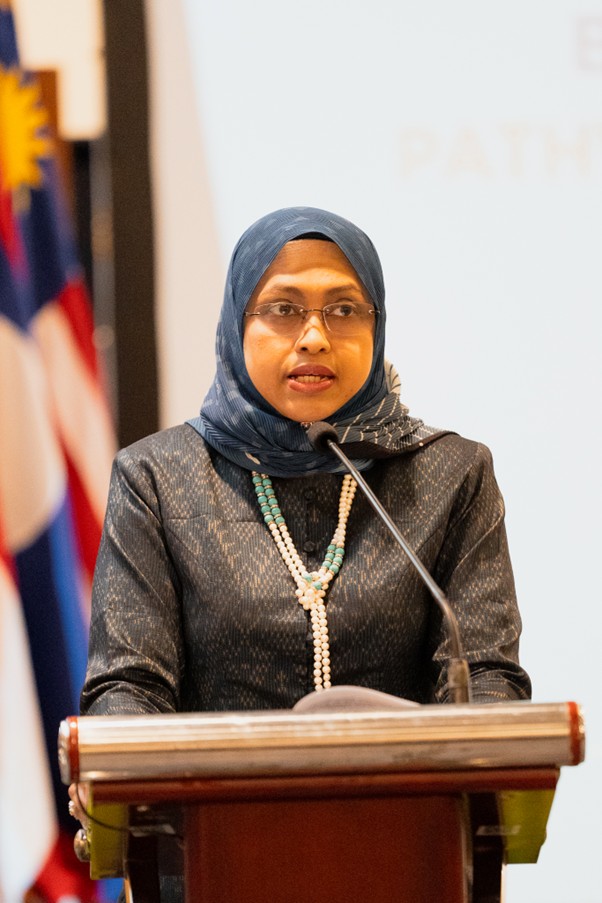
Ambassador Sarah Al Bakri Devadason, the Chair of the Committee of Permanent Representatives to ASEAN (CPR) and Malaysia’s Permanent Representative to ASEAN, delivered an outlook address at the workshop. She reaffirmed ASEAN’s enduring commitment to peace and resilience, emphasising that inclusive dialogue, political will, patience, and post-conflict recovery and reconciliation are vital for peacebuilding amid increasingly complex and unpredictable challenges. She also highlighted the crucial role of AICHR in promoting preventive diplomacy by incorporating human rights analysis into early-warning mechanisms, supporting peace processes, advocating for human rights education, and fostering trust among governments, civil society, and vulnerable communities.
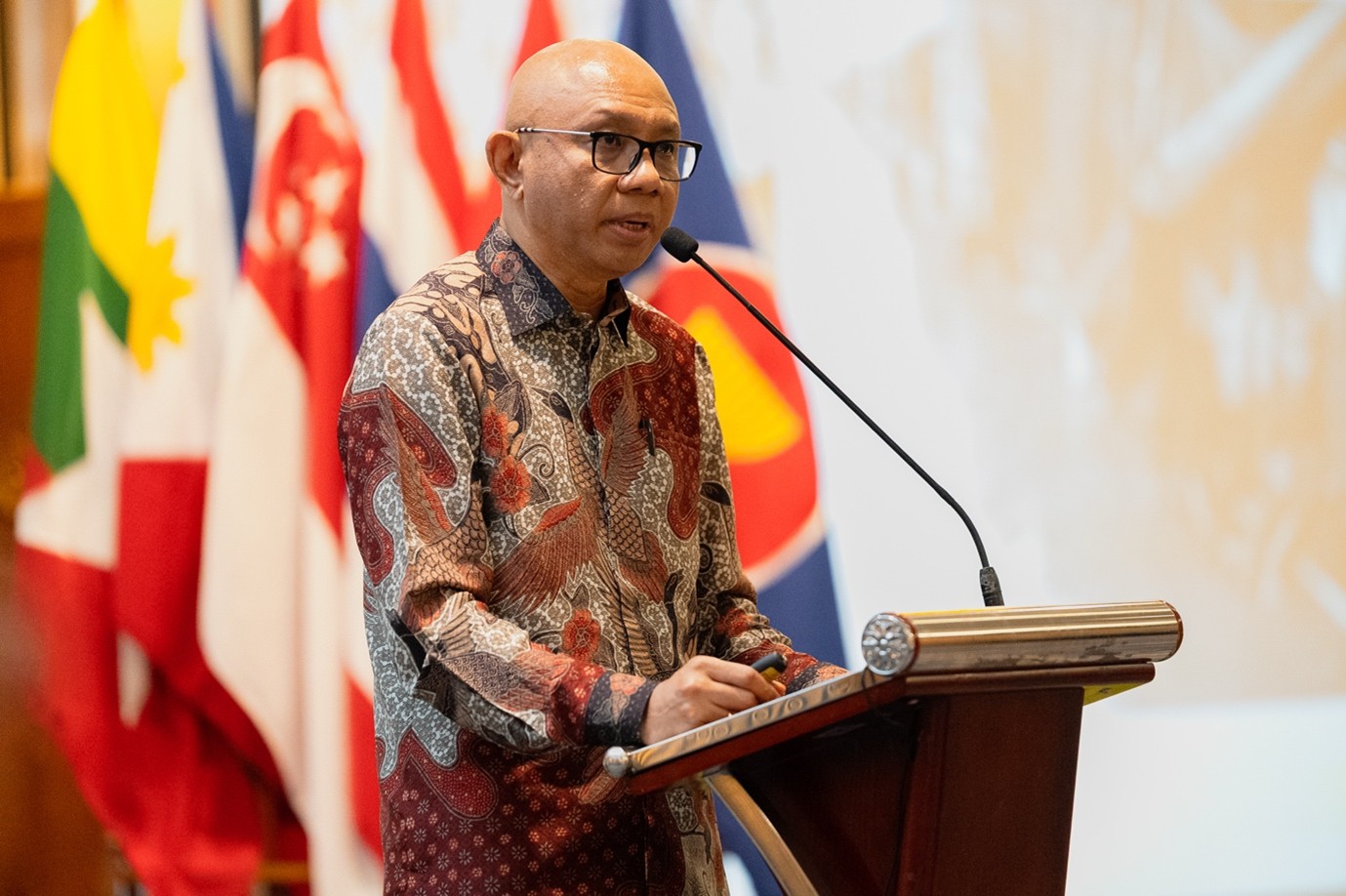
On the first day, seasoned ASEAN experts and former diplomats reviewed ASEAN’s peace-related frameworks and mapped key mechanisms, actors, and accountability processes. Examples of good practices from the past – such as the situations in Mindanao, Southern Thailand, Aceh, Myanmar, and Timor-Leste – demonstrating how ASEAN responded to conflicts were shared. These case studies highlighted ASEAN’s capacity to lead in conflict situations, whether human-induced or otherwise.
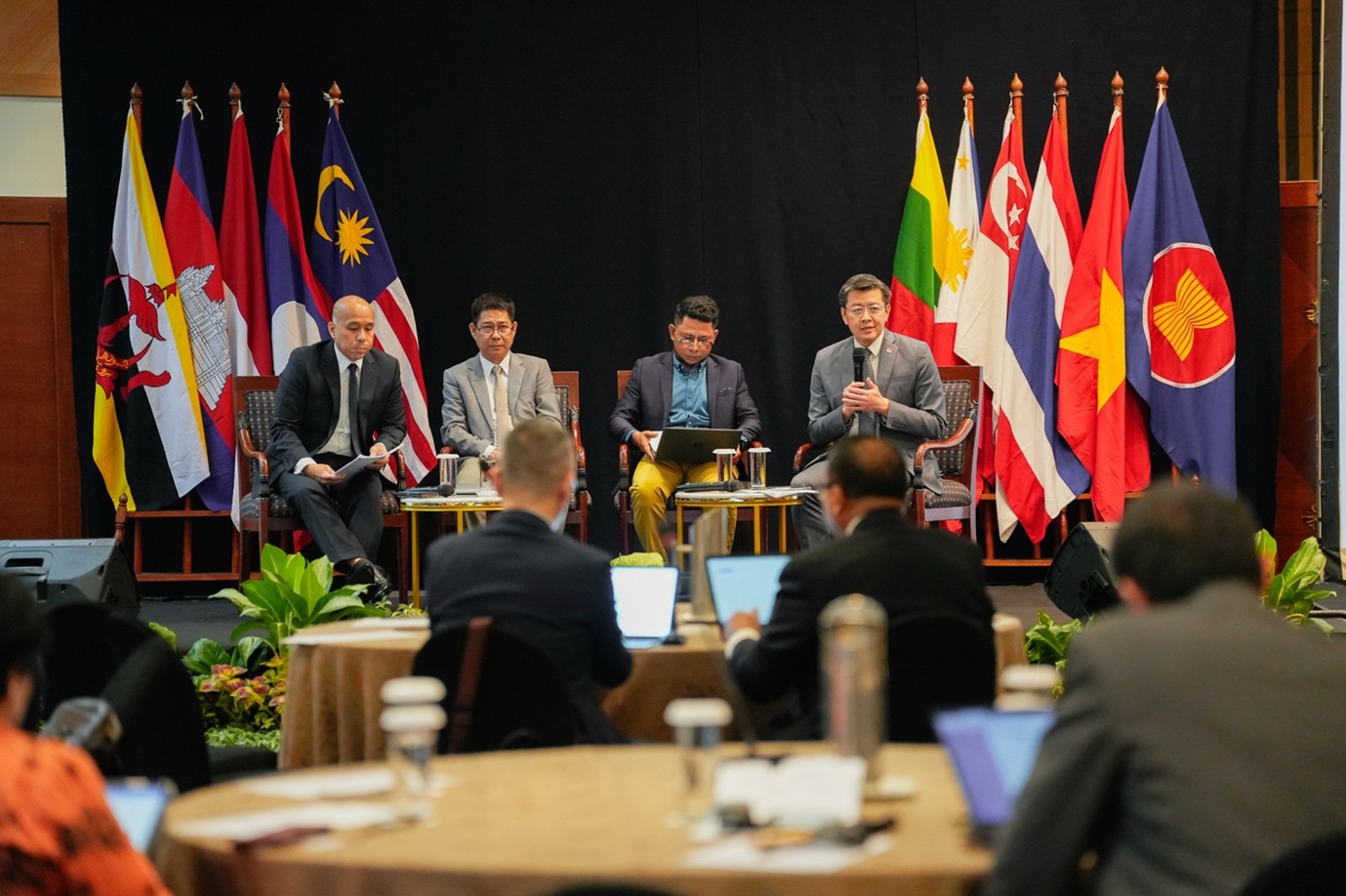
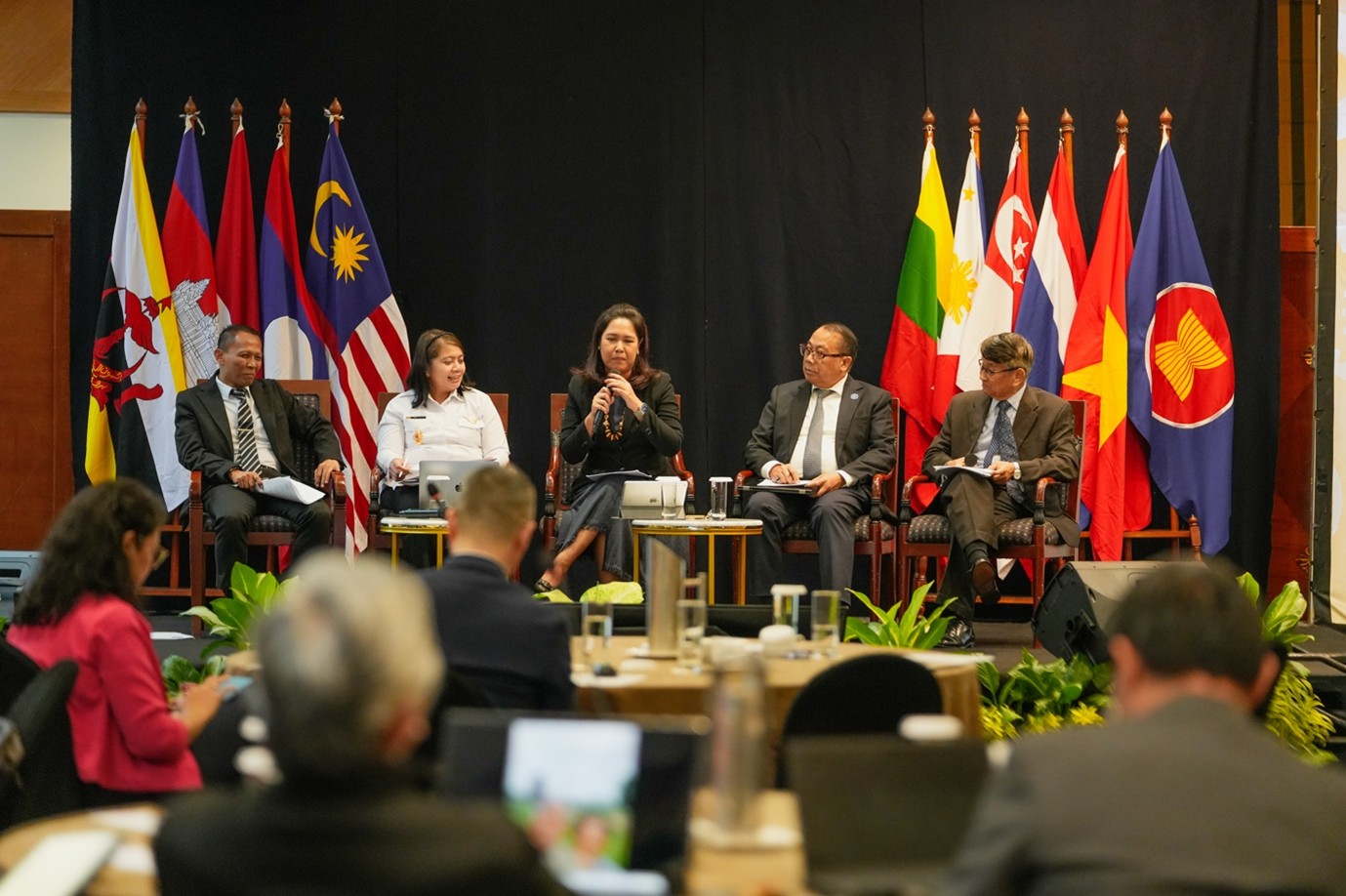
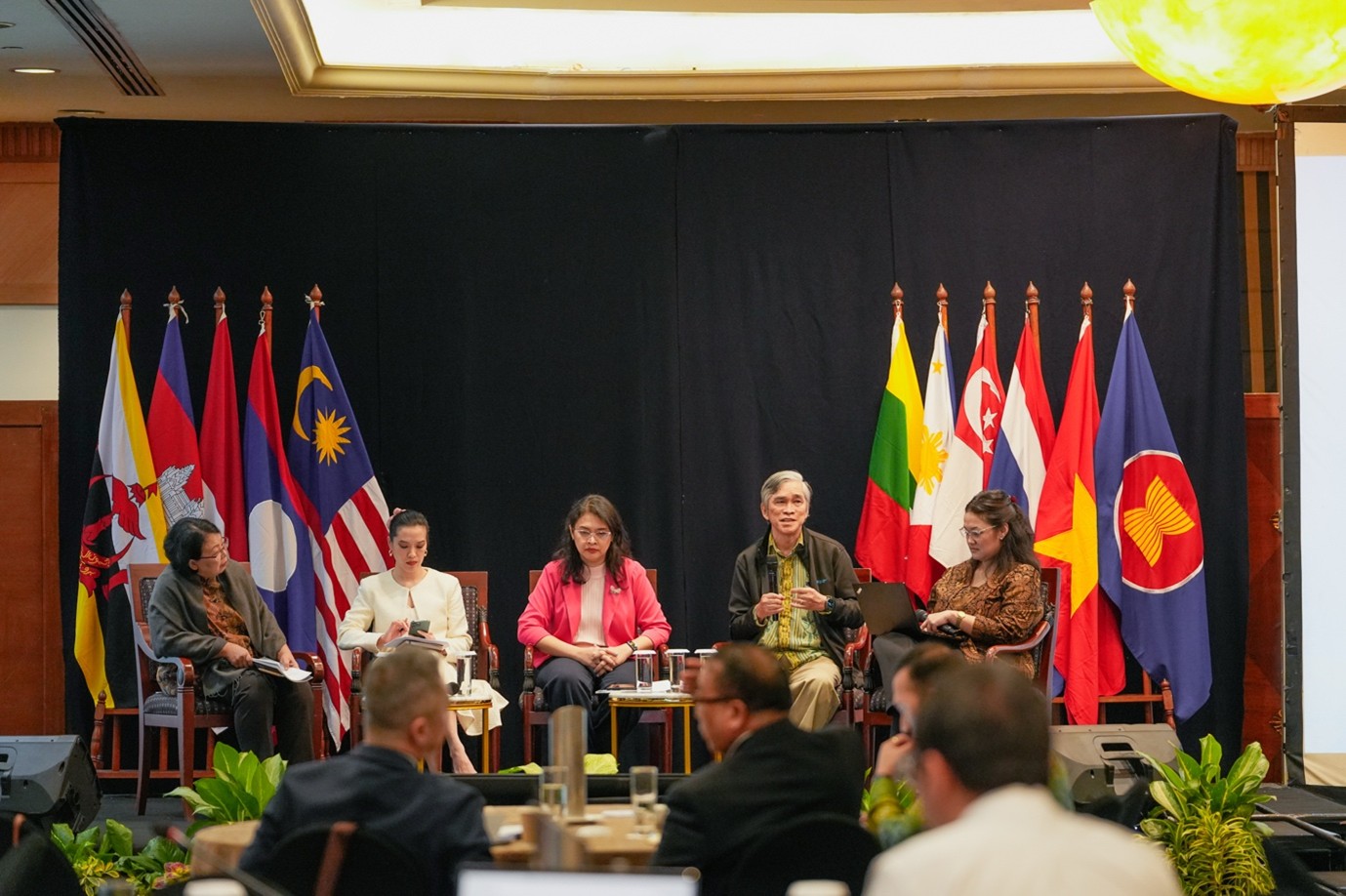
Delegates further identified gaps, challenges, and opportunities while exploring recommendations to reinforce ASEAN’s approaches to conflict prevention, management, and resolution.
Day 2 (14 August) — International frameworks and approaches
On the following day, the workshop explored international legal frameworks and conflict resolution models that ASEAN could draw upon.
When addressing regional tensions, experts and academics discussed international mechanisms such as the International Court of Justice (ICJ), the United Nations, the ASEAN Women, Peace, and Security (WPS) agenda, and the Responsibility to Protect (R2P) principle. They also considered the relationship between international law and regional conflicts, including the role of bodies like the Extraordinary Chambers in the Courts of Cambodia (ECCC).
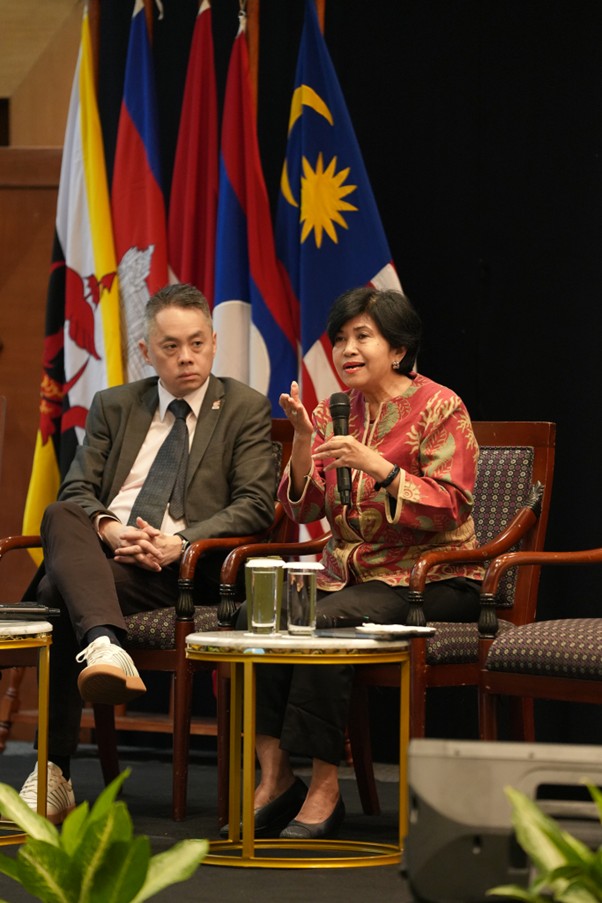
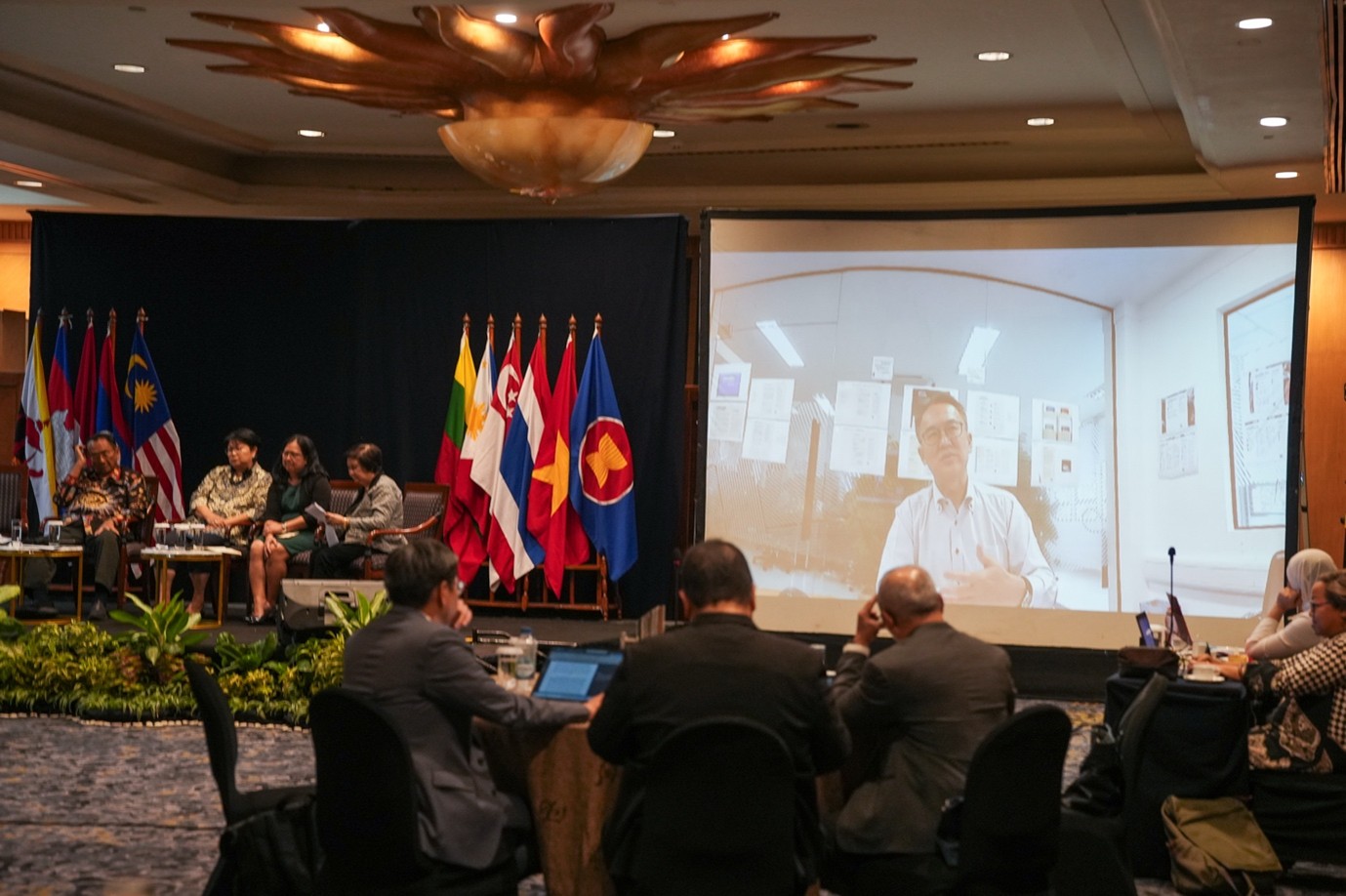
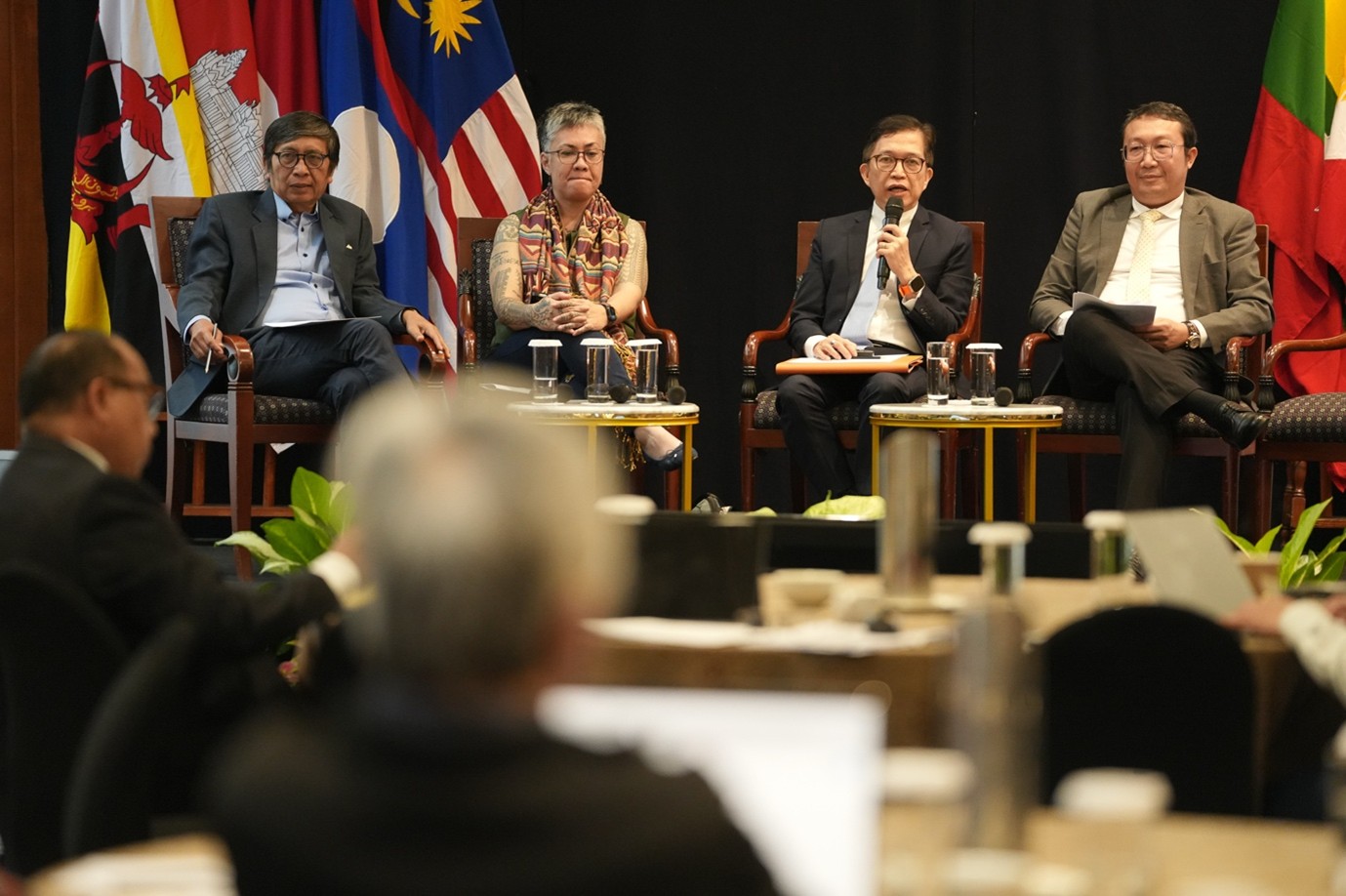
A comparative review of international mechanisms suggests that ASEAN should shift from a conflict-diffusion approach to one centred on resolution by tackling root causes. “War and peace are not givens, but social constructs,” Professor Dr. Dewi Fortuna Anwar said, emphasising the importance of institutions and norms in shaping outcomes.
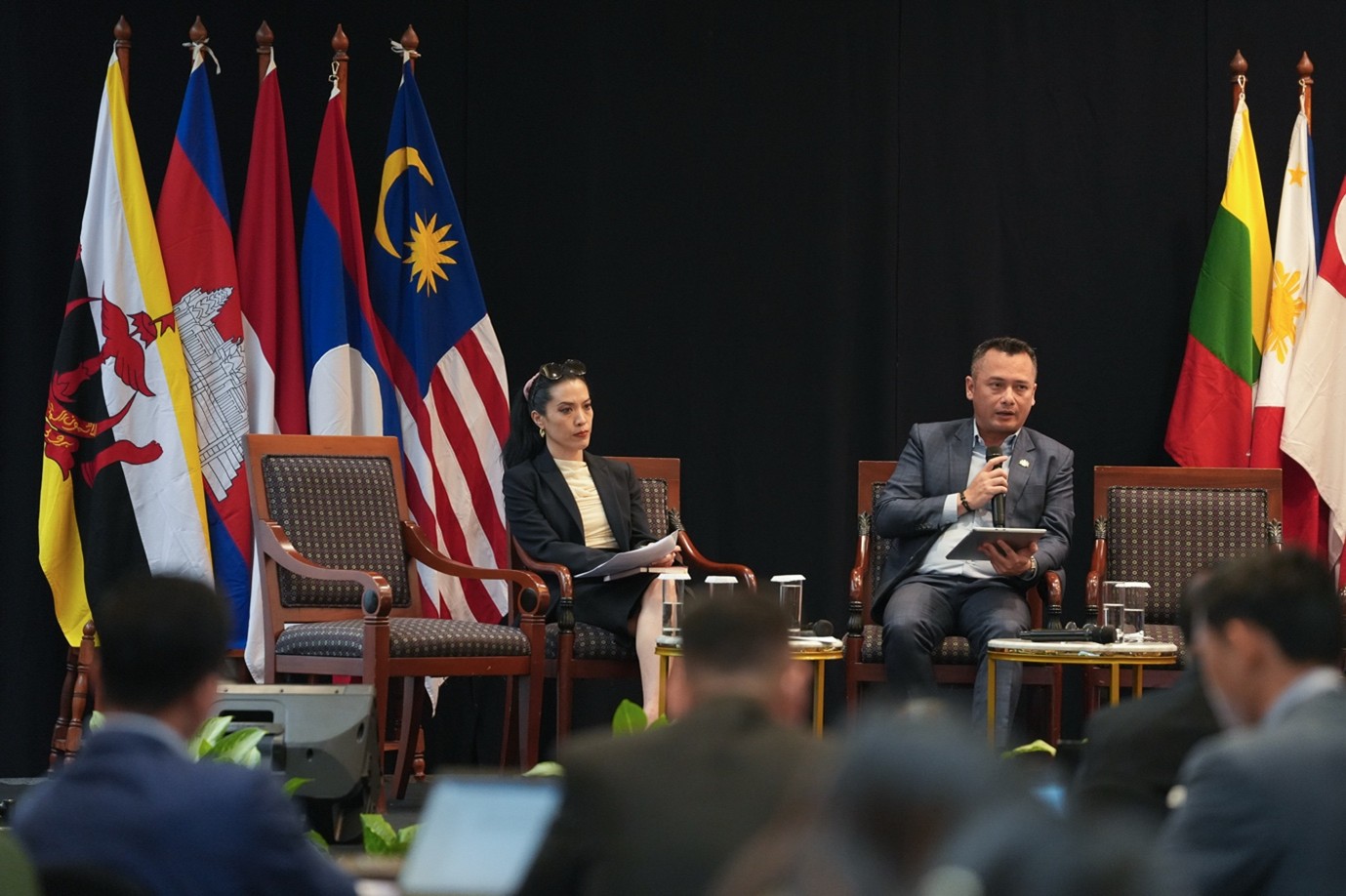
Discussions at the workshop focused on updating ASEAN mechanisms, including AICHR, to ensure they remain suitable for today’s context. Participants emphasised the importance of supplementing existing promotional roles with the mandates and tools necessary for effective implementation. They also highlighted the value of a flexible, results-driven approach to conflict resolution – tailored to the context and guided by ASEAN principles – rather than strict adherence to any single methodology.
Day 3 (15 August) — Human rights of all in conflict situations
The final day of the workshop deliberated on the human rights of people and communities most at risk during times of conflict, while exploring practical early responses such as risk mapping and scenario planning.
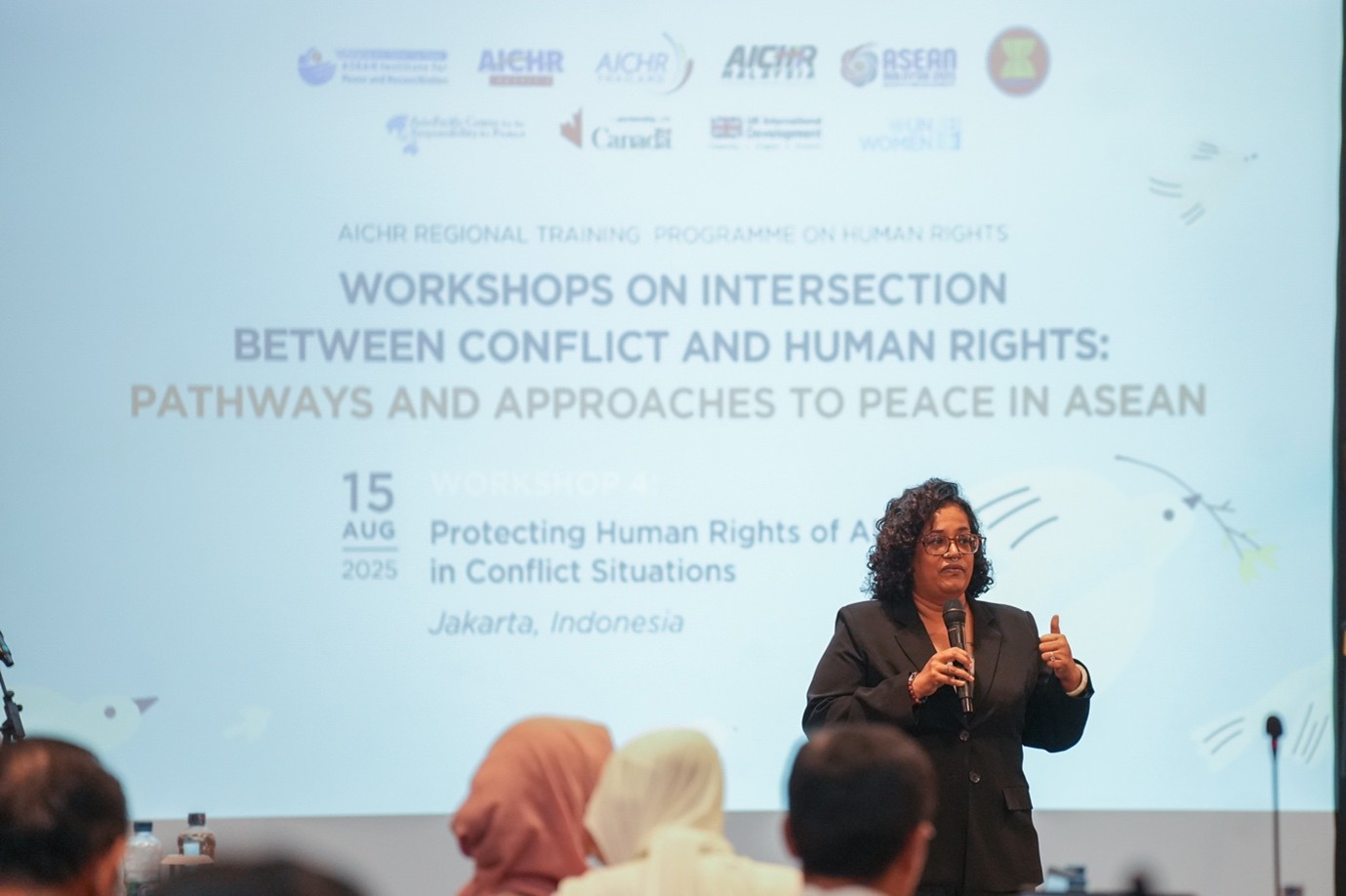
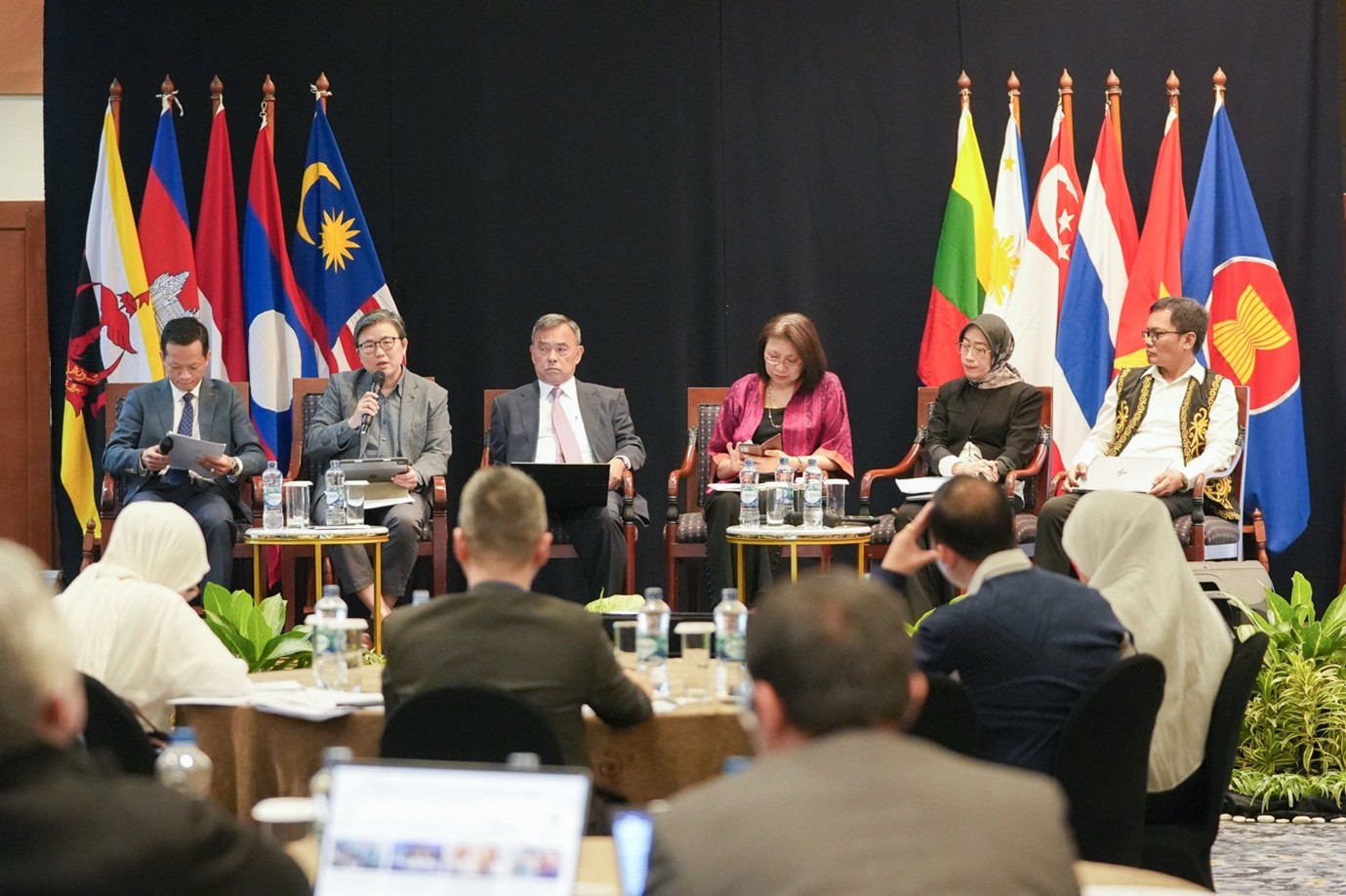
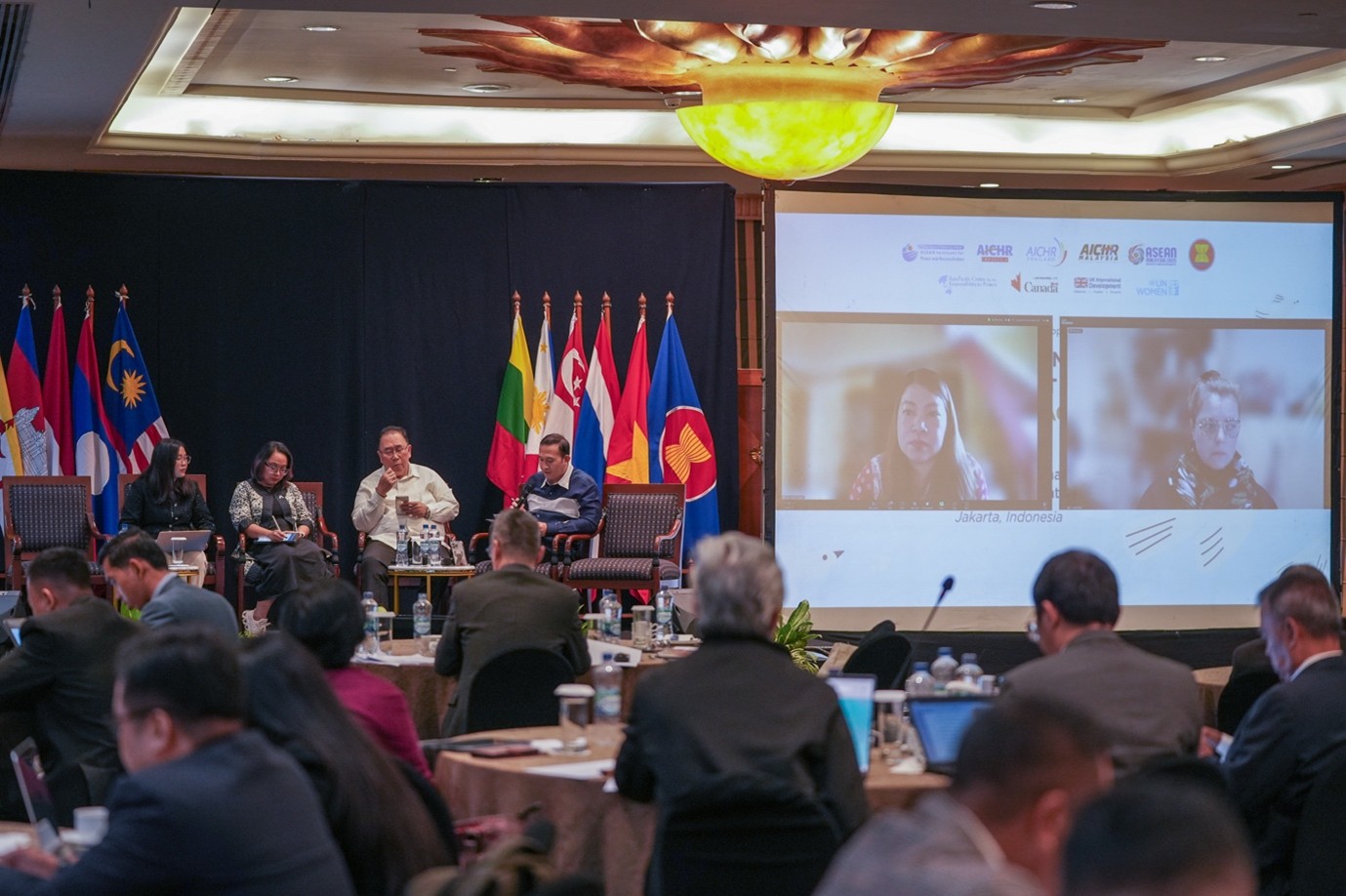
Researchers presented analysis from conflict-affected contexts, documenting patterns of human rights risks and alleged violations, and sharing survivor accounts of sexual and gender-based violence.
Discussions covered prevention strategies and emphasised the importance of protecting civilians, especially vulnerable and marginalised groups, including women, children, and persons with disabilities. The workshop also examined practical steps to improve humanitarian access and engagement, such as confidence-building measures; enhanced cross-pillar coordination and cooperation within ASEAN; greater accountability for both governments and non-state actors; and the creation of robust, data-driven monitoring systems.
Challenges and ideas
The workshops examined challenges that require coordinated ASEAN action, among others:
- Limited integration of human-rights data into warning systems and uneven data sharing.
- Resource and platform constraints for mediation, observations, monitoring, and victim- and survivor- support services.
- Humanitarian access barriers and risks to civilians, especially women, children, and persons with disabilities.
- Transboundary pressures – including disinformation, climate-related disasters, and displacement – that complicate resolution efforts.
- Coordination gaps across ASEAN’s three pillars and political sensitivities can slow timely prevention and response.
To enhance ASEAN’s crisis response, emerging ideas that could be considered for operationalisation as practical pathways include the following:
- Evidence-based design: Advance targeted research and stakeholder consultations to inform a well-designed response mechanism.
- Task-force architecture: Establish a cross-pillar task force with representation from key areas and sectors to issue advisory and guidance notes and coordinate action, as required.
- Governance and process: Define a transparent structure with guidelines, roles, and standard operating procedures.
- Leverage existing tools: Enhance ASEAN’s current mechanisms to more effectively address human rights concerns and disaster response.
- Prioritisation within mandates: Embed human rights in ASEAN frameworks for impact.
- Protection first: Embed a strong focus on vulnerable and marginalised groups – particularly women, children and persons with disabilities – throughout ASEAN operational plans.
Case study
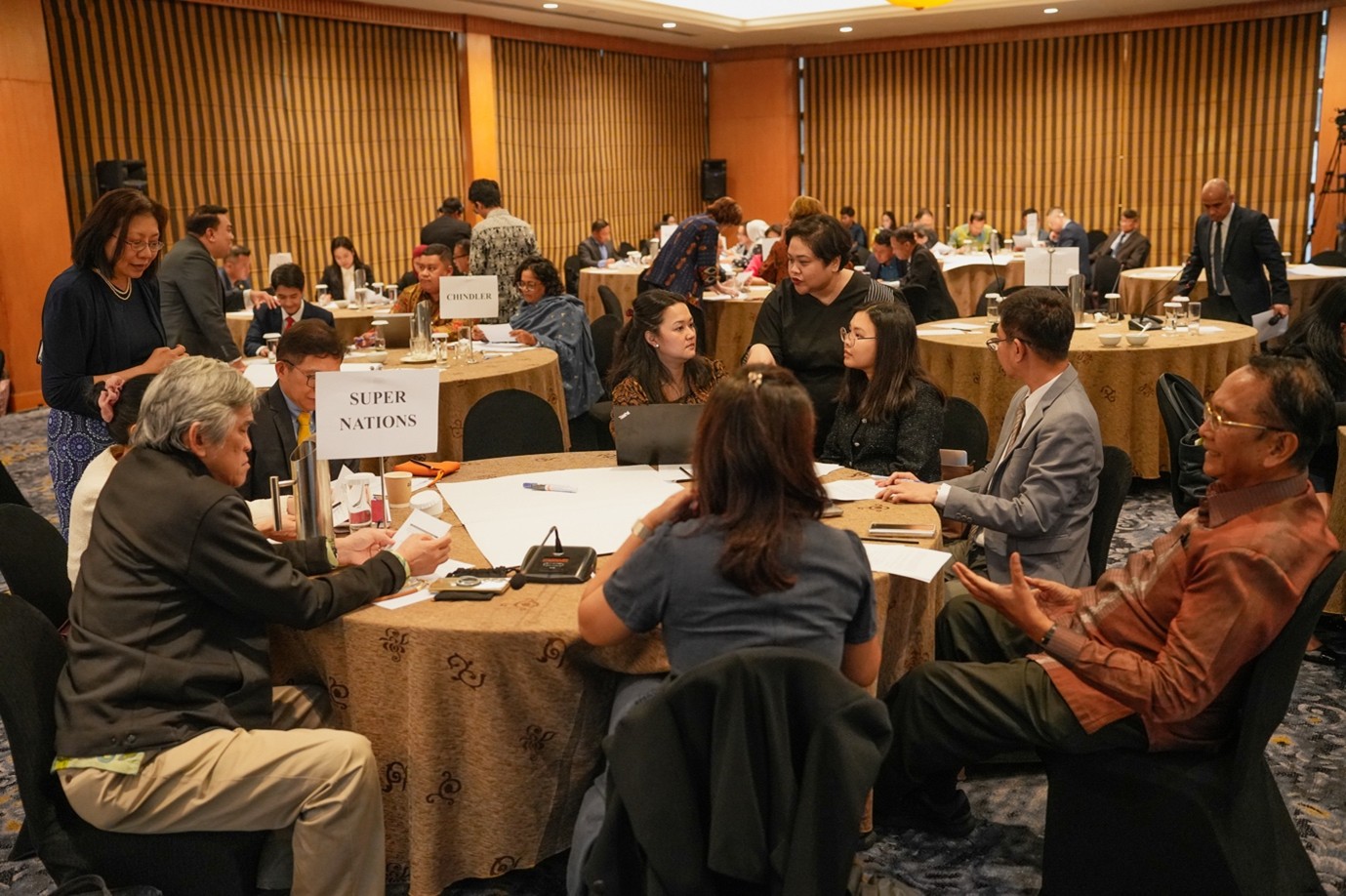
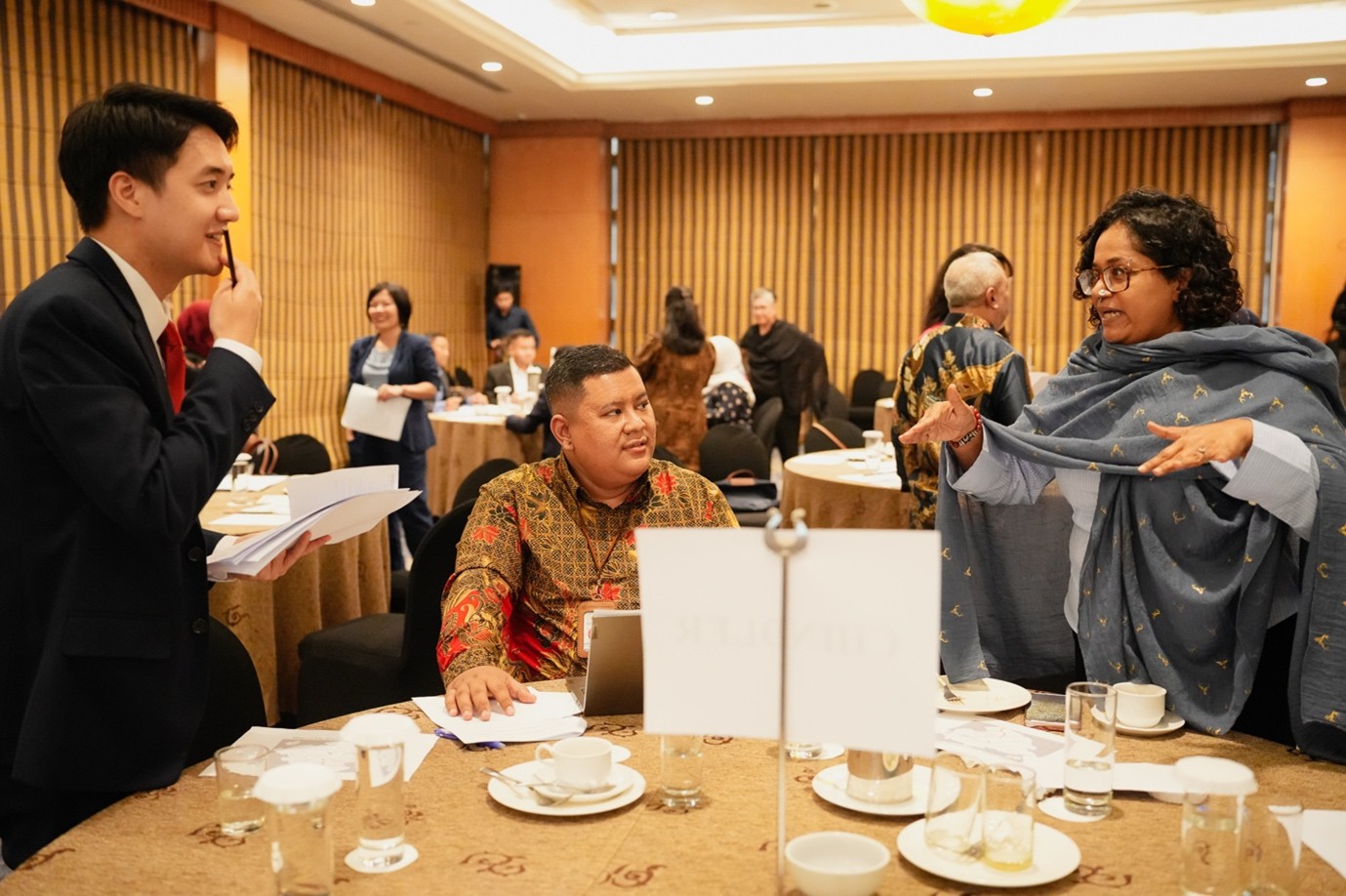
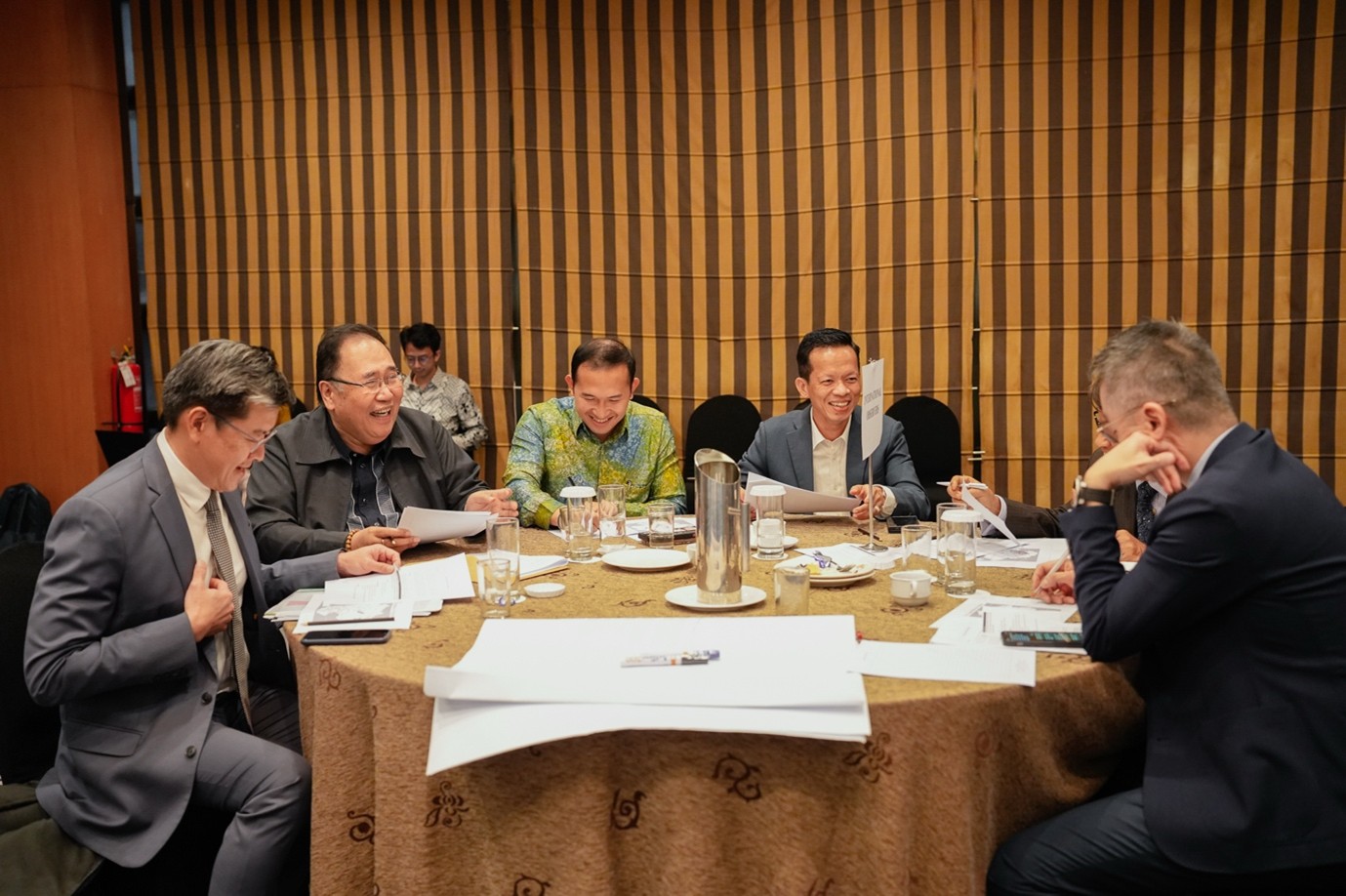
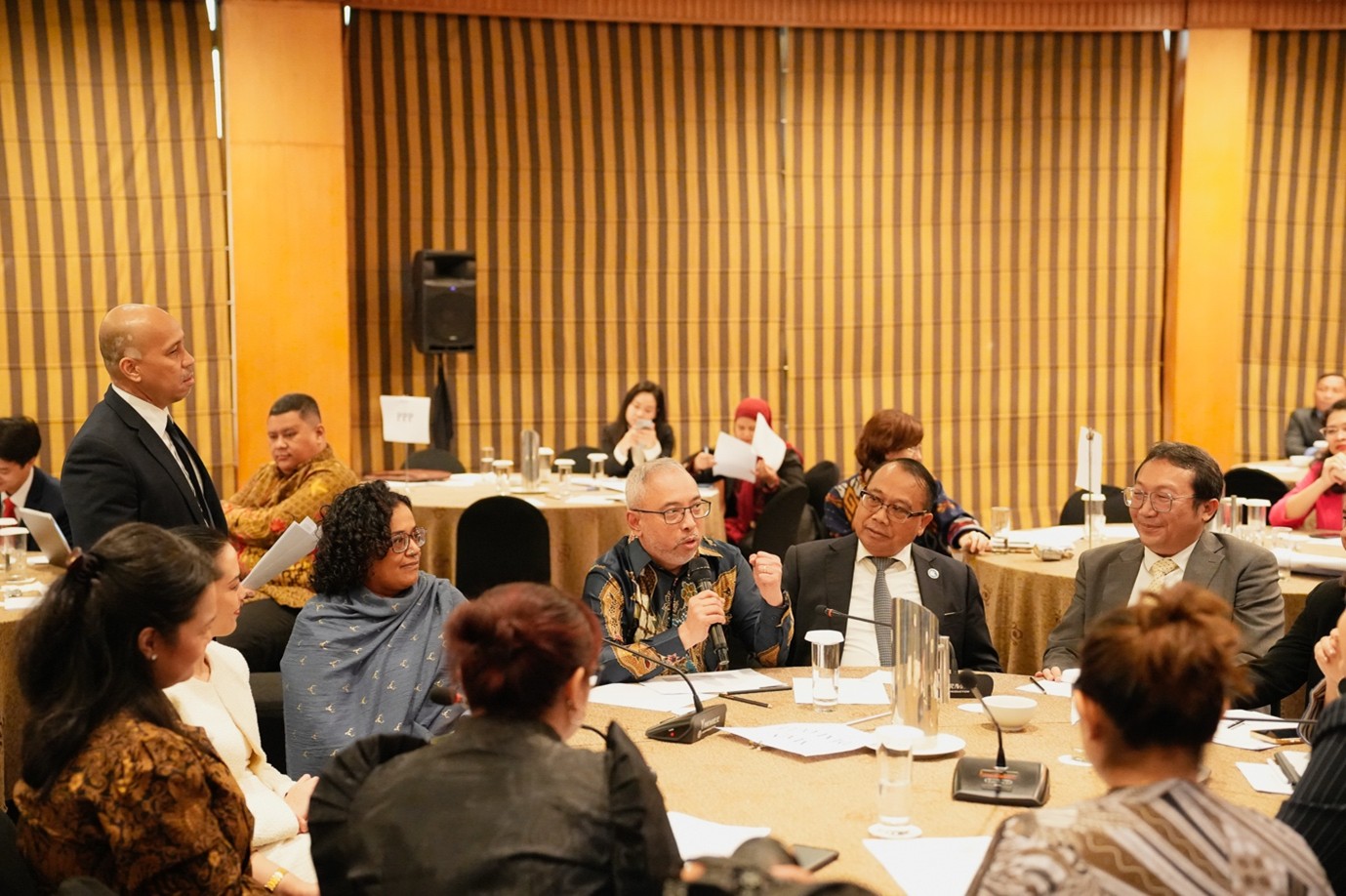
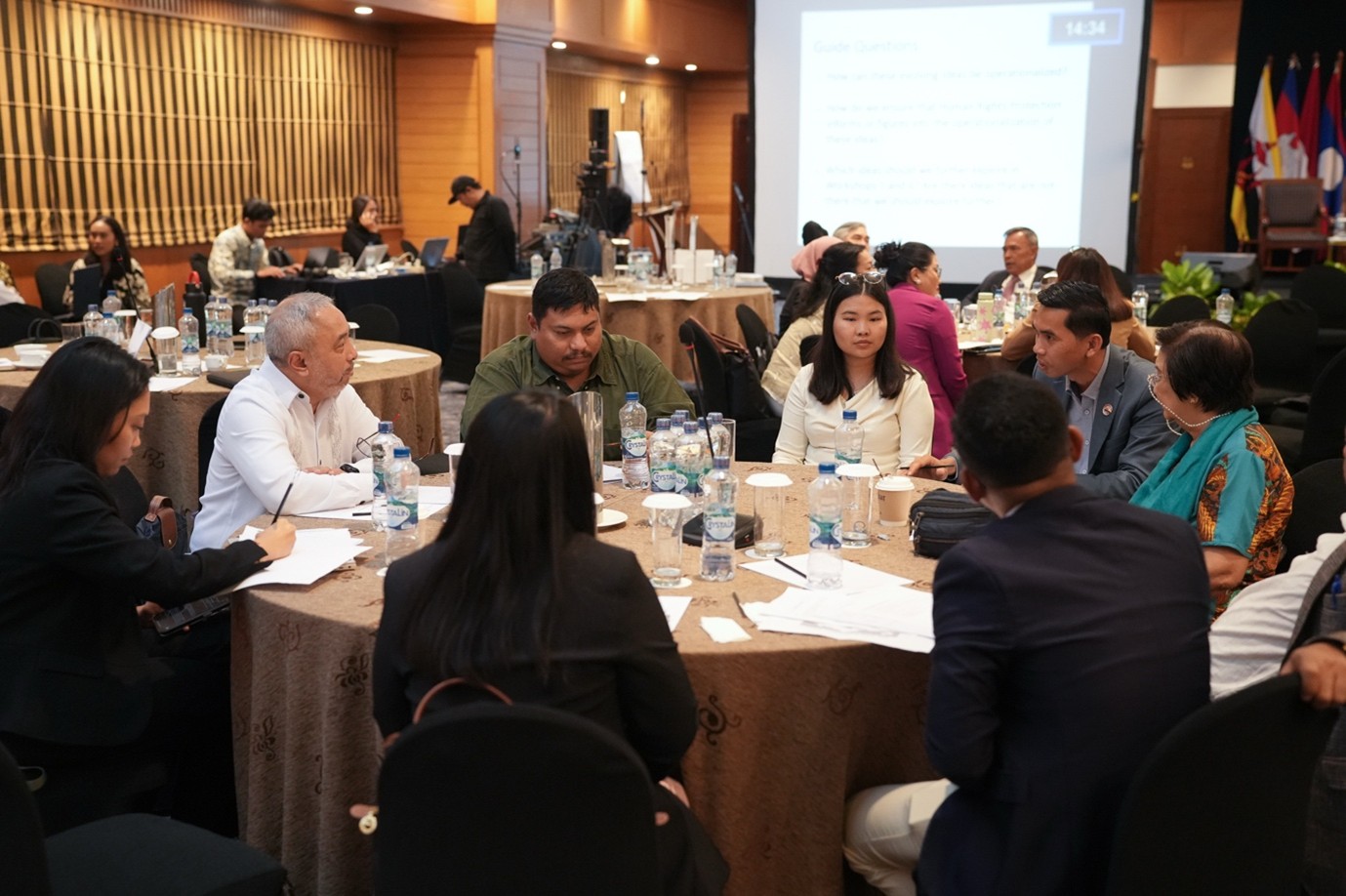
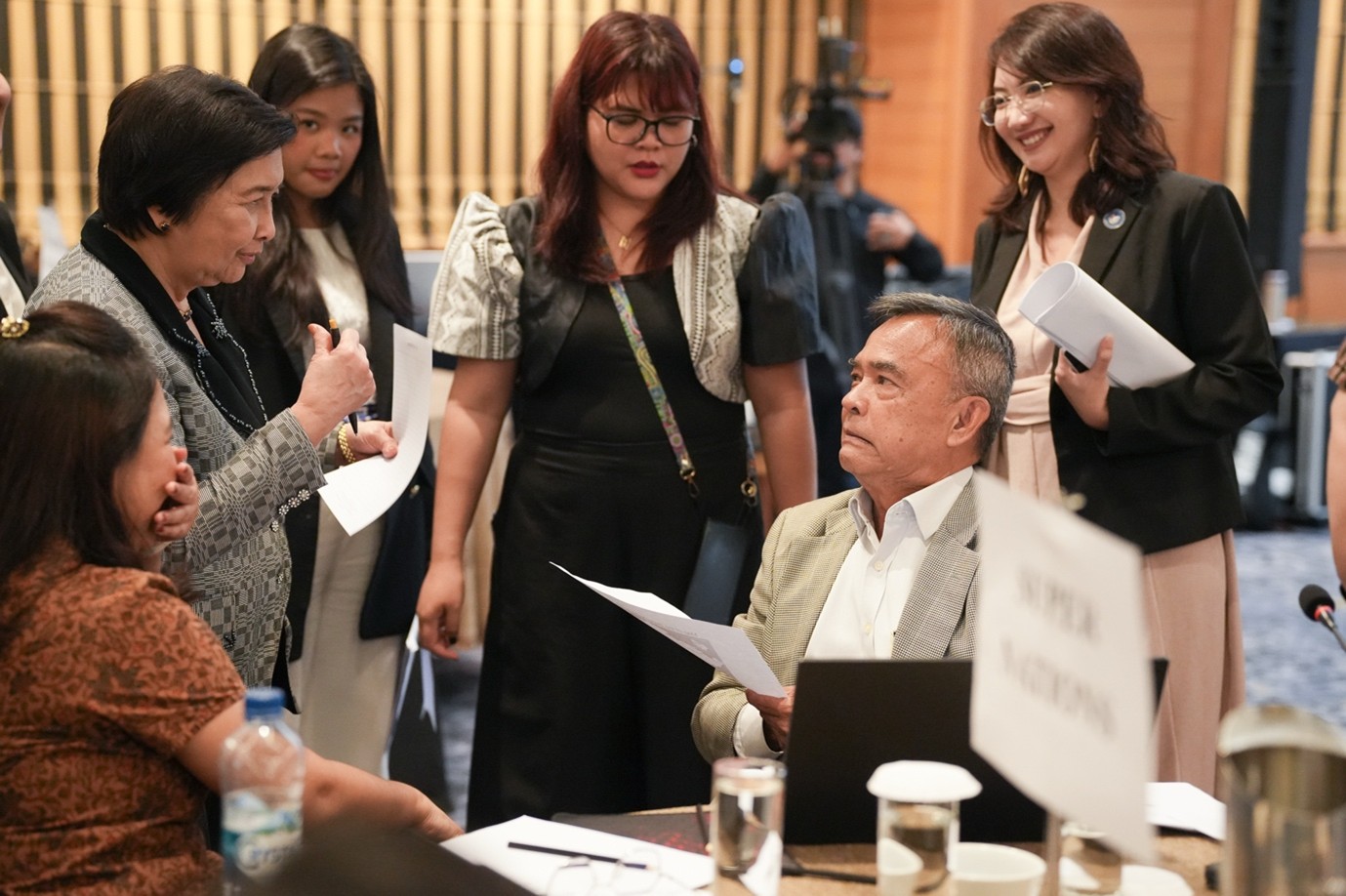
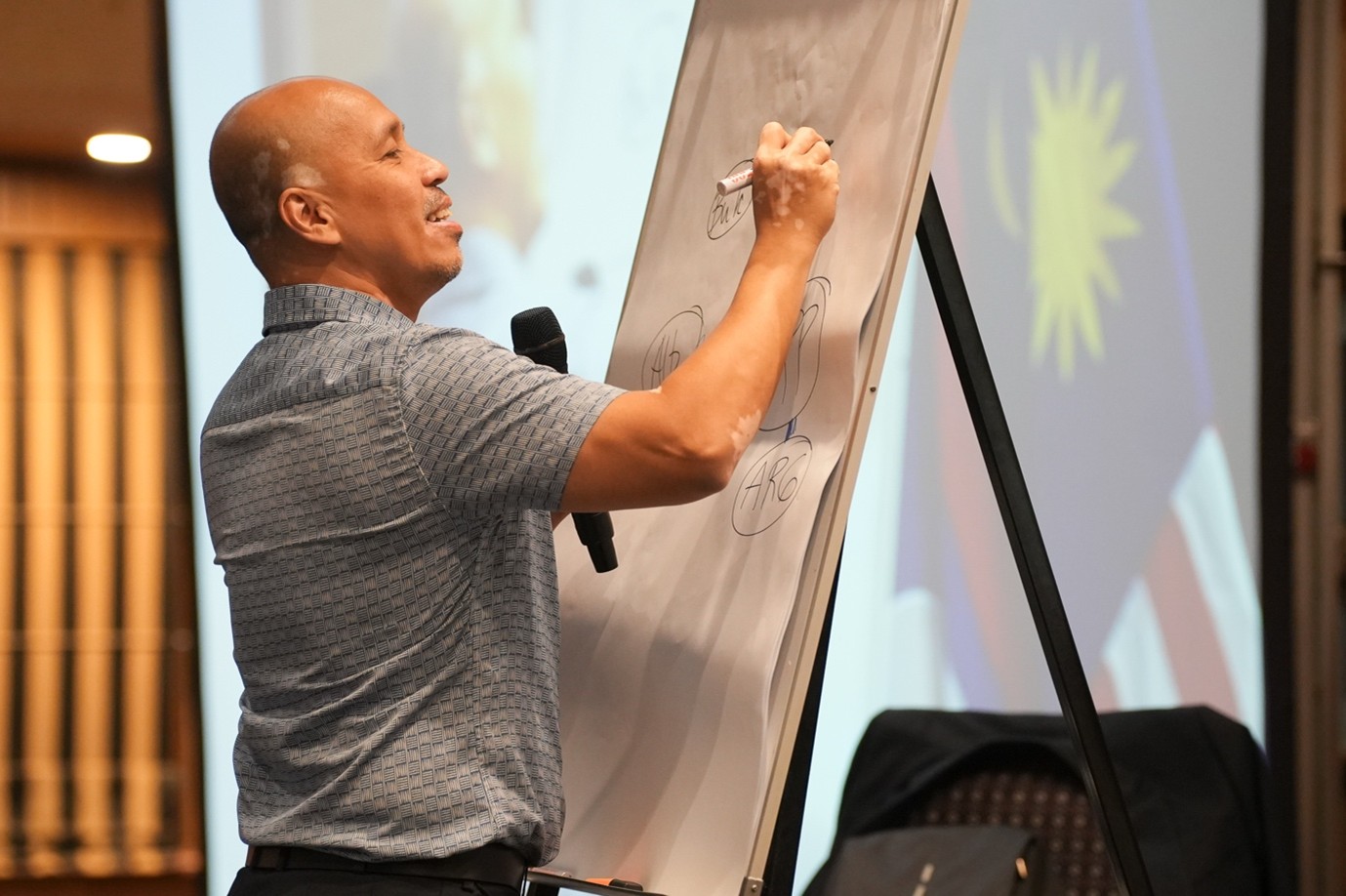
Over the course of three days, participants also engaged in a scenario-based case study modelled on ASEAN-style regional mechanisms for conflict prevention and resolution. The simulation enabled them to take on various roles, including government senior officials of a fictional regional organisation, “SuperNations”, non-state actors, and community stakeholders such as civil society members, displaced persons, and victims.
Through facilitated dialogues, they explored peacebuilding strategies, conducted simulated negotiations among diverse interest groups, and worked towards inclusive, context-sensitive solutions to the regional challenge in the case study. Each day concluded with expert-led reflections on processes to establish, stakeholders to engage, and practical ways to ensure meaningful inclusivity.
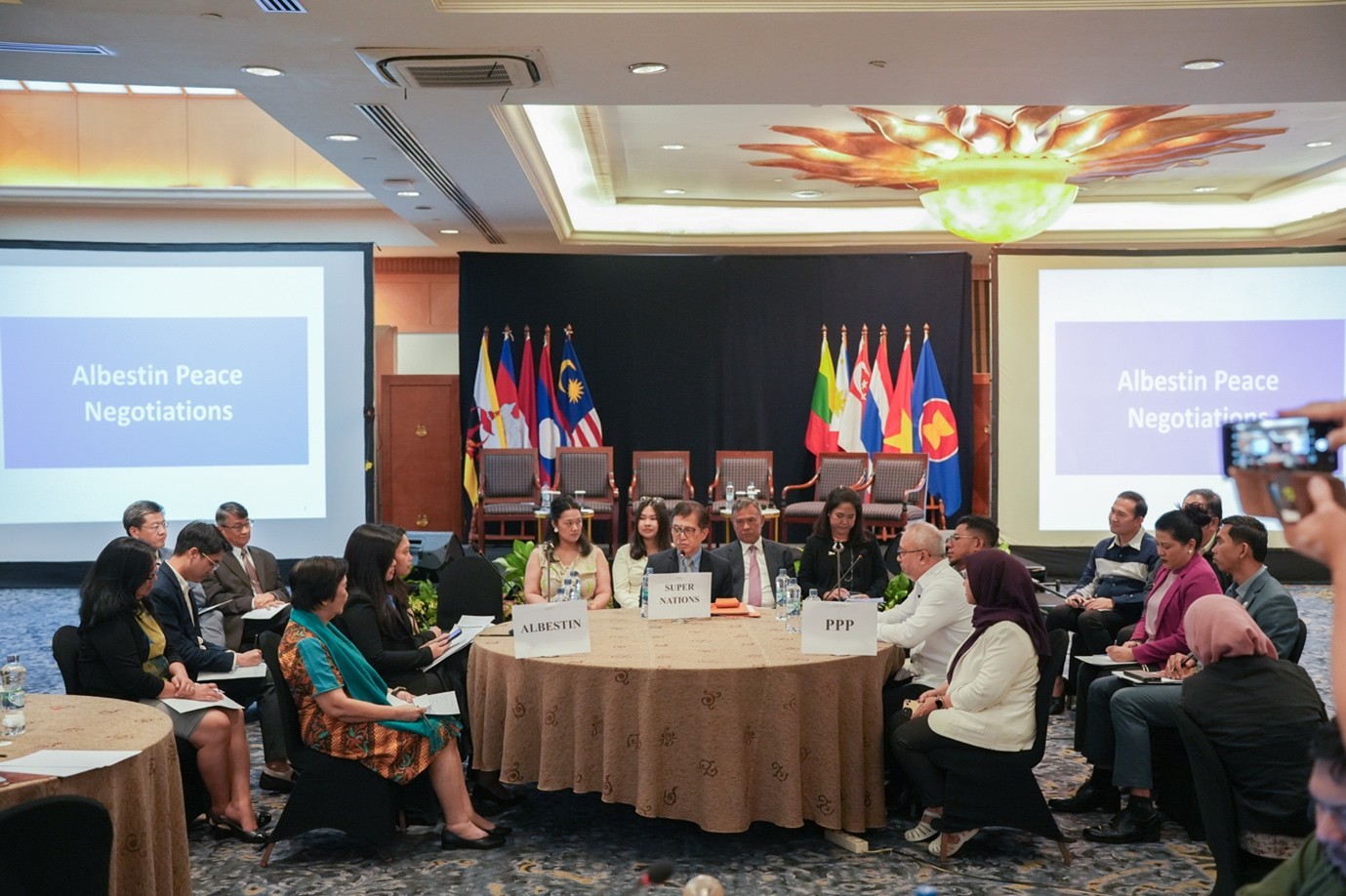
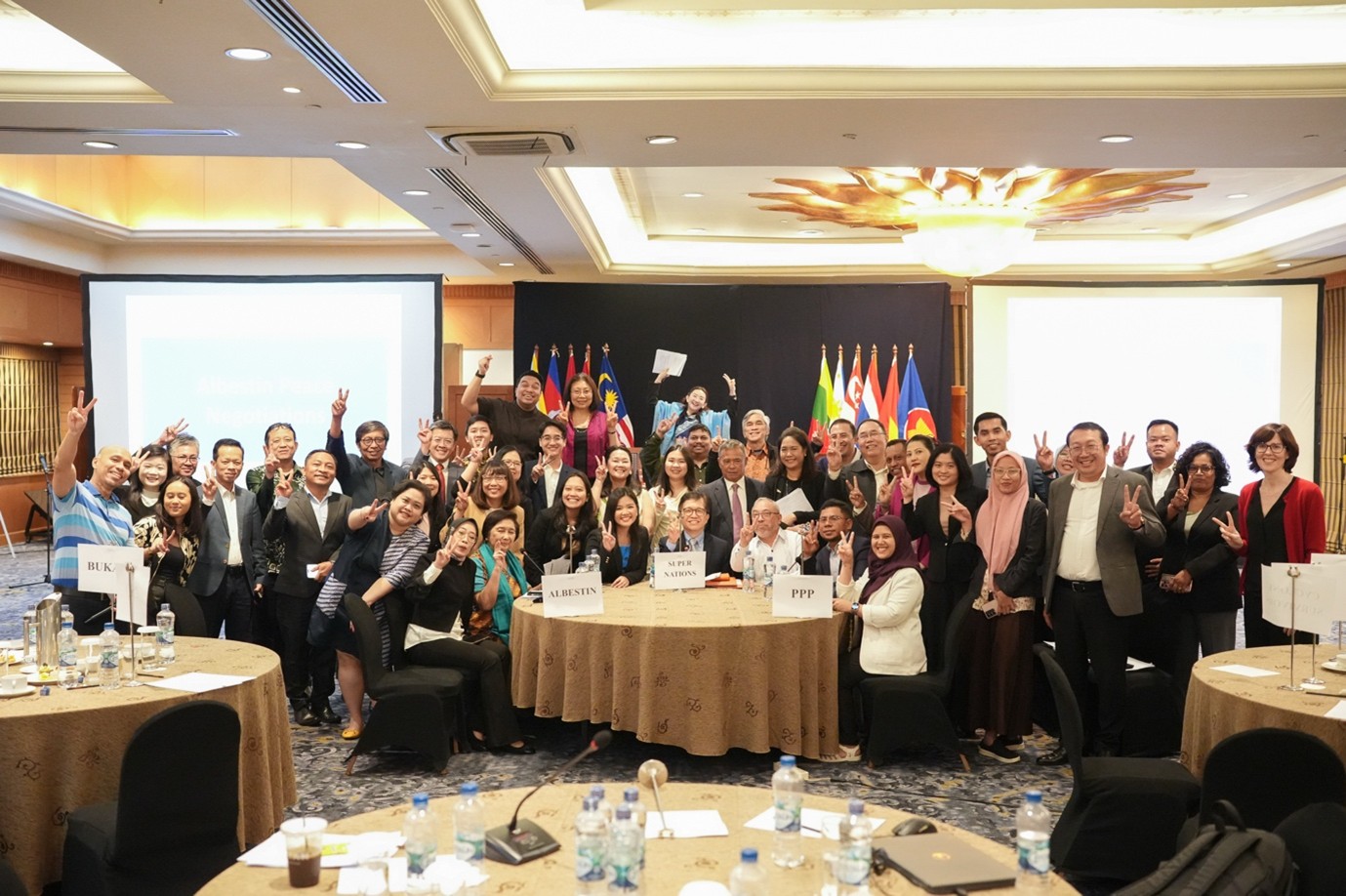
By the conclusion of the simulation, participants identified common elements in approaches to peacebuilding. Facilitators conducted a structured debrief to record key observations and lessons learned, and to examine how the emerging ideas and strategies could be adapted and operationalised within ASEAN’s real-world context. These insights will be incorporated into AICHR’s ongoing work over the coming months to develop an ASEAN-led and ASEAN-owned framework.
The three workshops surfaced a package of new insights to help ASEAN prevent crises, respond rapidly, and protect civilians. Recommendations included prioritising preventive diplomacy grounded in rights analysis, early-warning and scenario planning; establishing rapid-response protocols for urgent activation; tightening cross-pillar coordination across political-security, economic and socio-cultural tracks; safeguarding civilians and humanitarian access through safe zones aligned with survivor-centred, gender-responsive and child-sensitive standards; strengthening remedy gateways through monitoring and cooperation; creating an emergency knowledge-sharing protocol with ASEAN technical and sectoral experts on standby to provide support and confidential consultations; and dedicating an ASEAN channel for people in vulnerable situations to access ASEAN protection mechanisms.
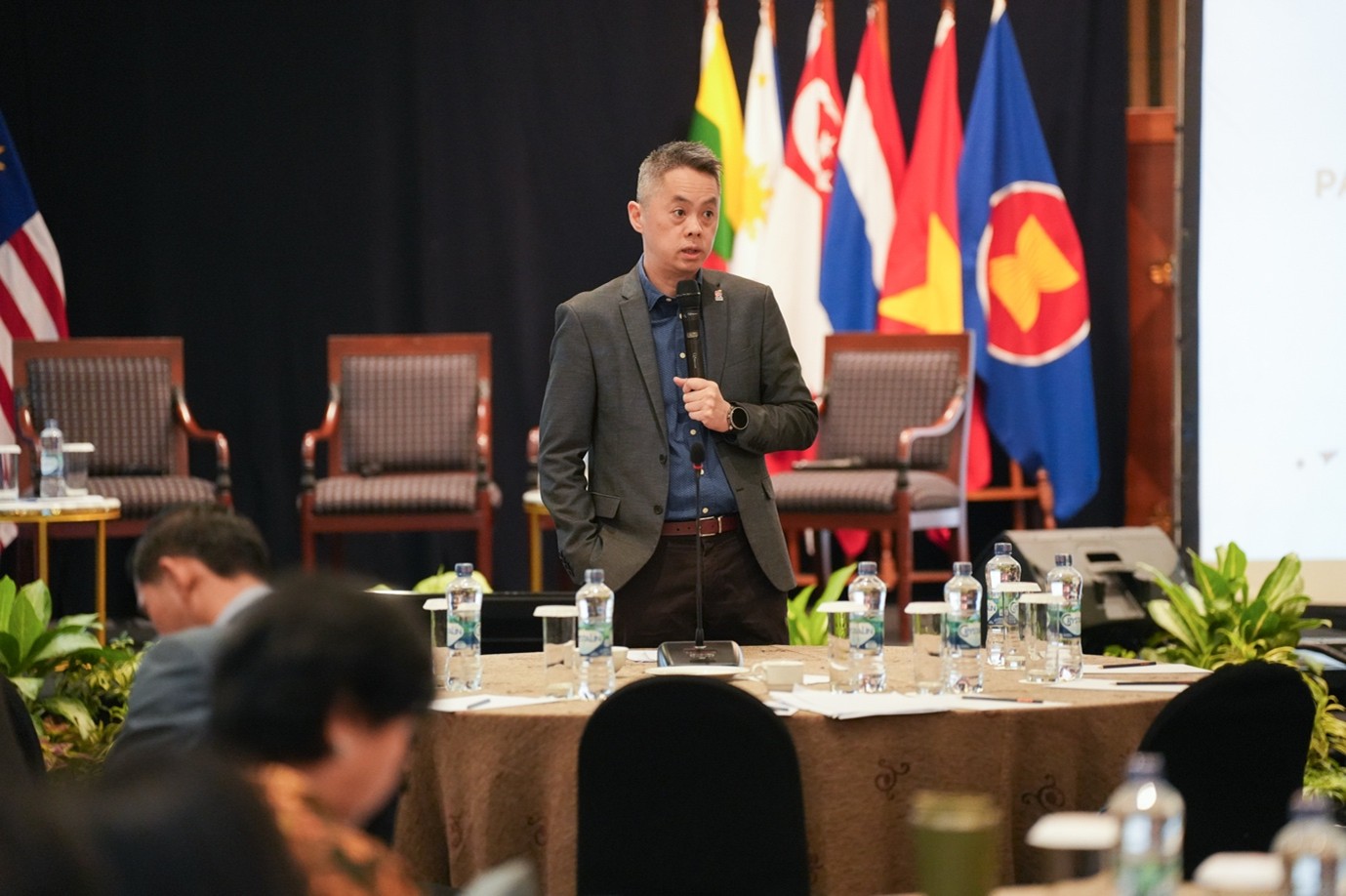
In his closing remarks, Bon, expressed his gratitude to the participants for their active engagement and support throughout the workshops. He highlighted that the workshops are part of AICHR’s work-in-progress, and that the design was both experiential and experimental ensuring that we can in line with ASEAN values and principles, discuss difficult issues as a family – respectfully, officially, in mutual trust and confidence, but most importantly, constructively.
“We are leading the discussions on challenges in our region as ASEAN and it is an ASEAN-owned approach,” Bon added.
As background to the programme, these were the second, third and fourth peace pathways workshops as part of a series of six themed “Workshops on Intersection between Conflict and Human Rights: Pathways and Approaches to Peace in ASEAN”. The workshops are being held under AICHR Malaysia’s Priority Programme, “Regional Training Programme on Human Rights”.
The first workshop, “Building Peace – From Conflict Prevention to Sustainable Peace” was convened in Malaysia in July 2025. The fifth and the sixth workshops are due to be held in later part of 2025.
AICHR is collaborating with the ASEAN-IPR on the six peace pathways workshops. The three Jakarta sessions were funded through the ASEAN AICHR Fund with additional support from United Nations Women (UN Women) and the Asia-Pacific Centre for the Responsibility to Protect (APR2P), University of Queensland.
The Jakarta sessions brought together nearly 80 participants from AICHR, ASEAN sectoral bodies, entities and centres, national human rights institutions, academia, and civil society.
“In good faith and in solidarity, we can break some taboos with the goal of supporting those most in need. Negative impacts are real, and we cannot ignore them. The workshops provided us an excellent opportunity to explore ASEAN’s existing mechanisms in an engaging, active, and creative manner, in a safe space, and without naming and shaming, while encouraging participants to think beyond conventional approaches,” Bon said.
The photographs of the workshops can be found here:
- Workshop 2: ASEAN Mechanisms for Conflict Prevention and Peacebuilding
- Workshops 3: Leveraging International Frameworks and Approaches
- Workshop 4: Protecting Human Rights of All in Conflict Situations