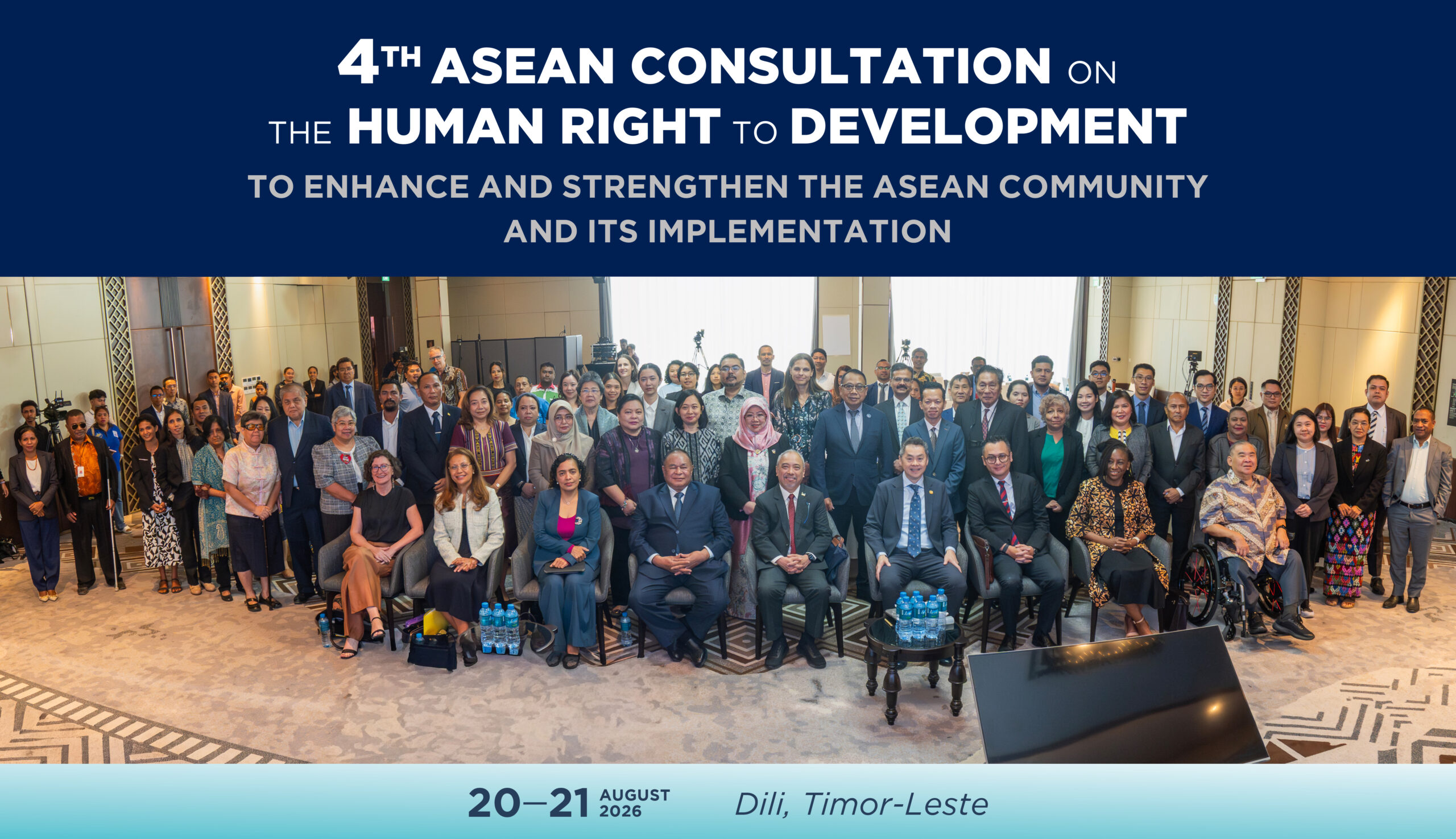
4th ASEAN Consultation on Rights to Development and Peace: From Declaration to Action and World Leading
DILI, 20-21 August 2026 – Following the adoption of the ASEAN Declaration on Promoting the Right to Development and the Right to Peace Towards Realising Inclusive and Sustainable Development (ADDP), an ASEAN Intergovernmental Commission on Human Rights (AICHR) Working Committee for the Follow-up on the ADDP (WC-ADDP) was established, and has since been deliberating on concrete actions and outcomes to effectively implement the Declaration.
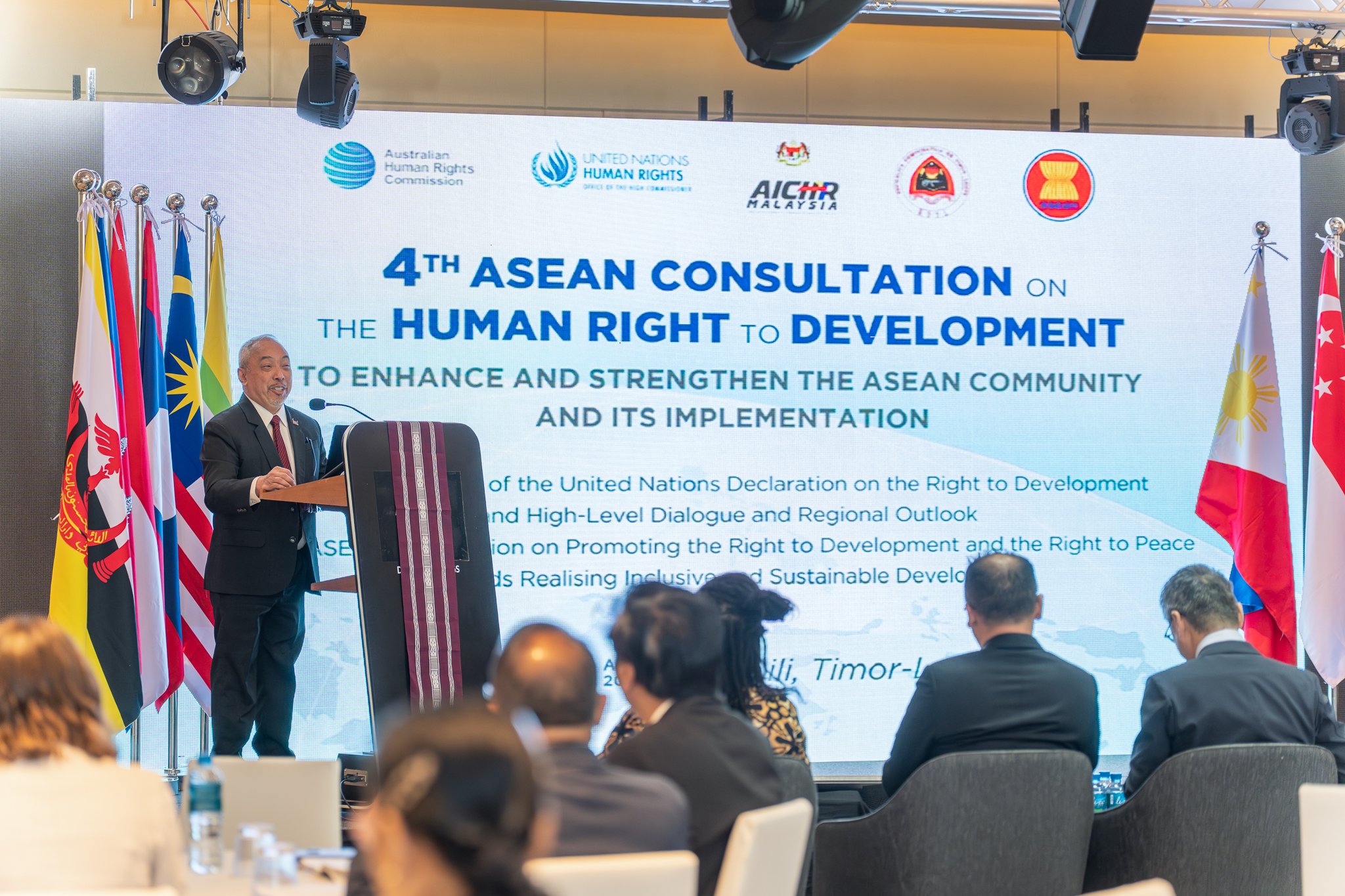
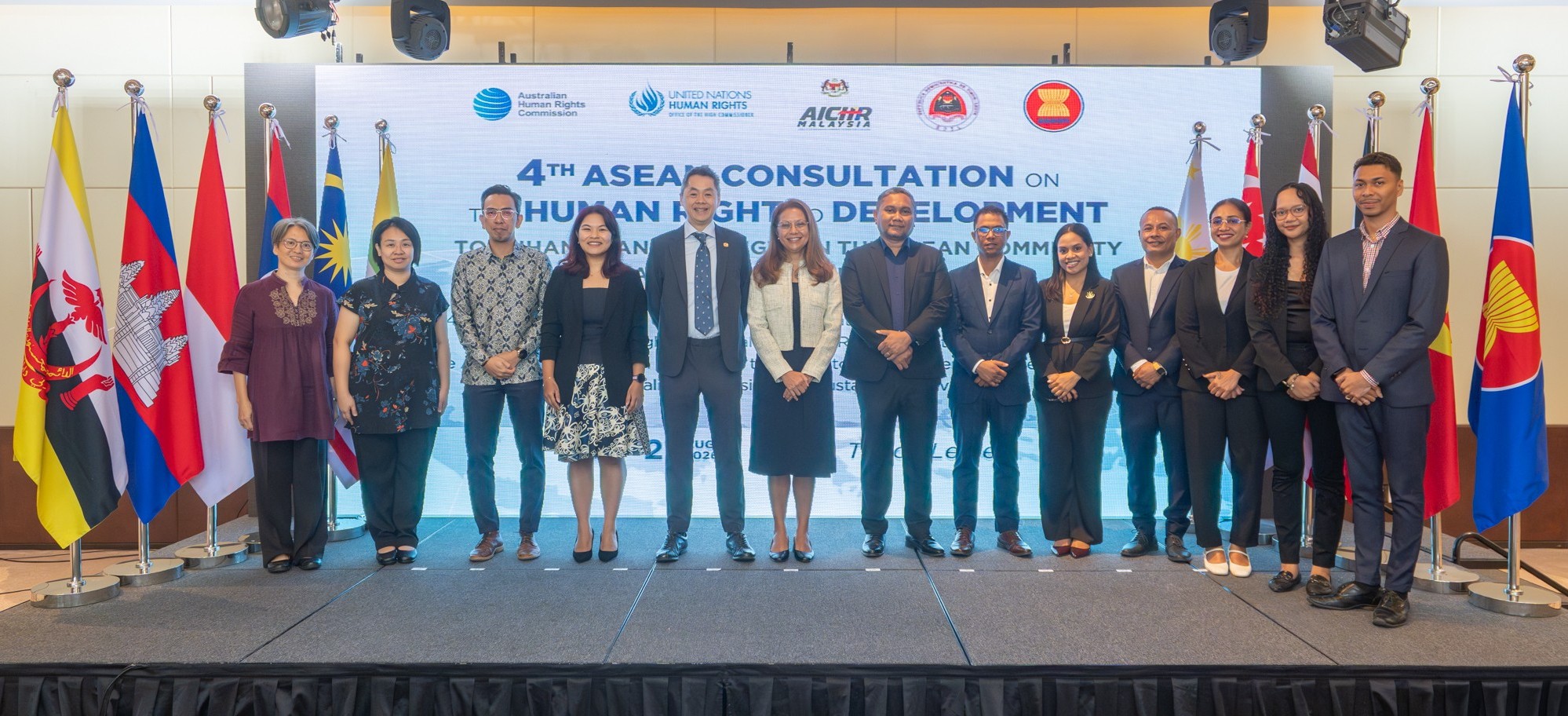
Co-led by Malaysia and Timor-Leste, the 4th ASEAN Consultation on the Human Right to Development to Enhance and Strengthen the ASEAN Community and its Implementation provided a platform for ASEAN officials, human rights experts, and civil society organisations to provide recommendations to the WC-ADDP on possible follow-up actions on the ADDP.
Held under the theme “40th Anniversary of the United Nations Declaration on the Right to Development and High-Level Dialogue and Regional Outlook on the ASEAN Declaration on Promoting the Right to Development and the Right to Peace Towards Realising Inclusive and Sustainable Development,” the consultation took place from 20 to 21 August 2026. It marked the first AICHR programme to be hosted by Timor-Leste since its admission as ASEAN’s 11th Member State in 2025.
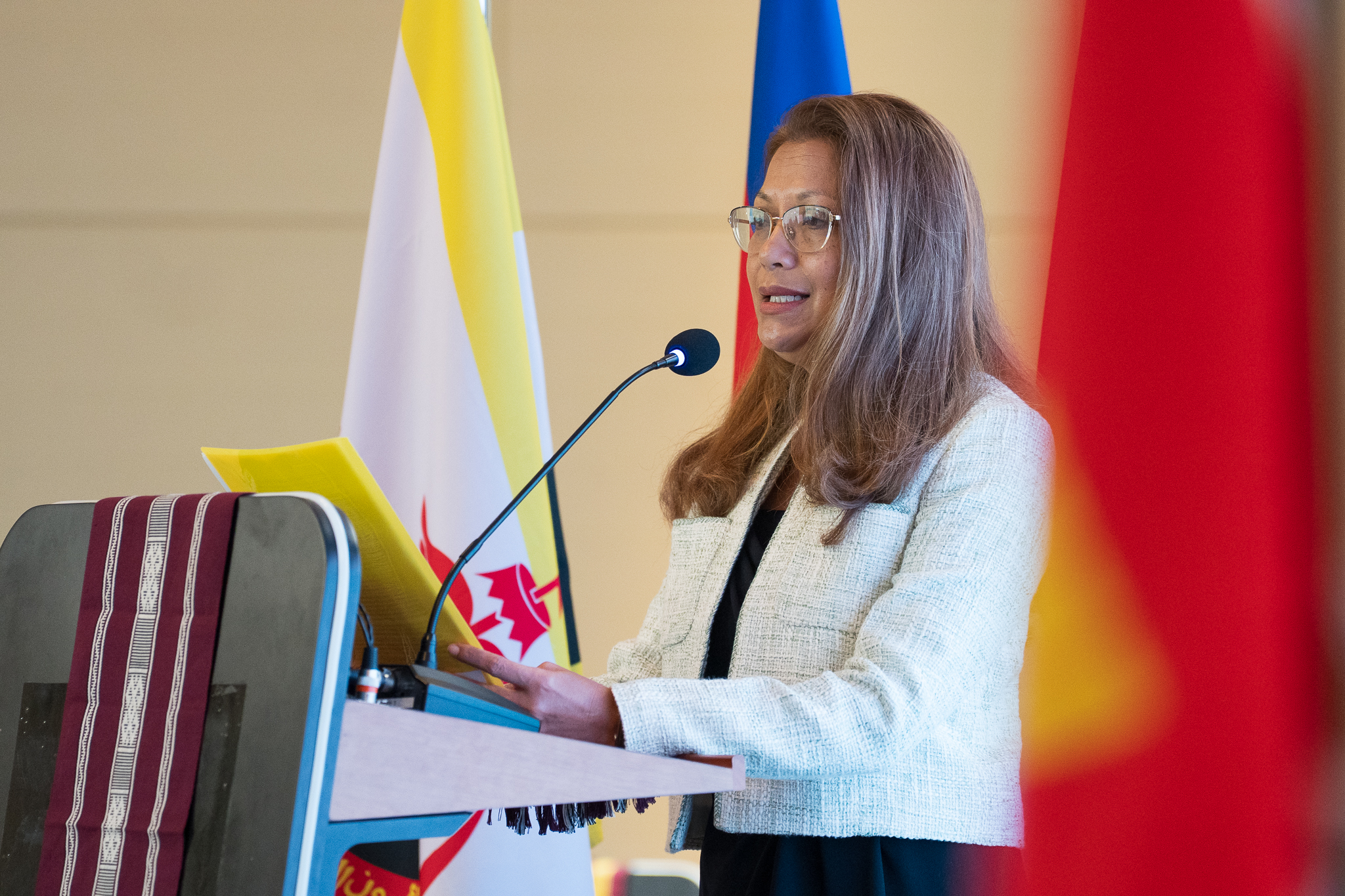
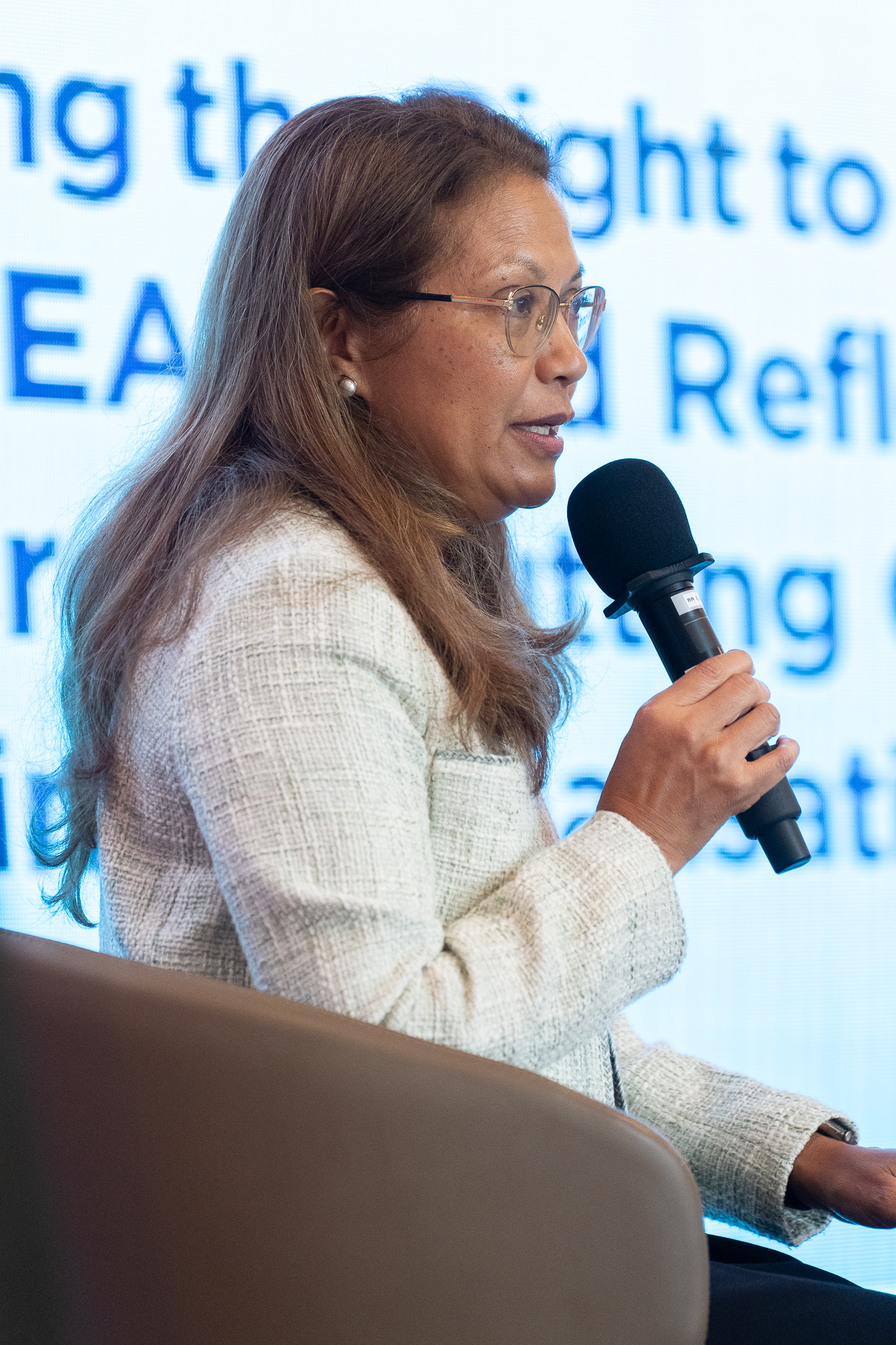
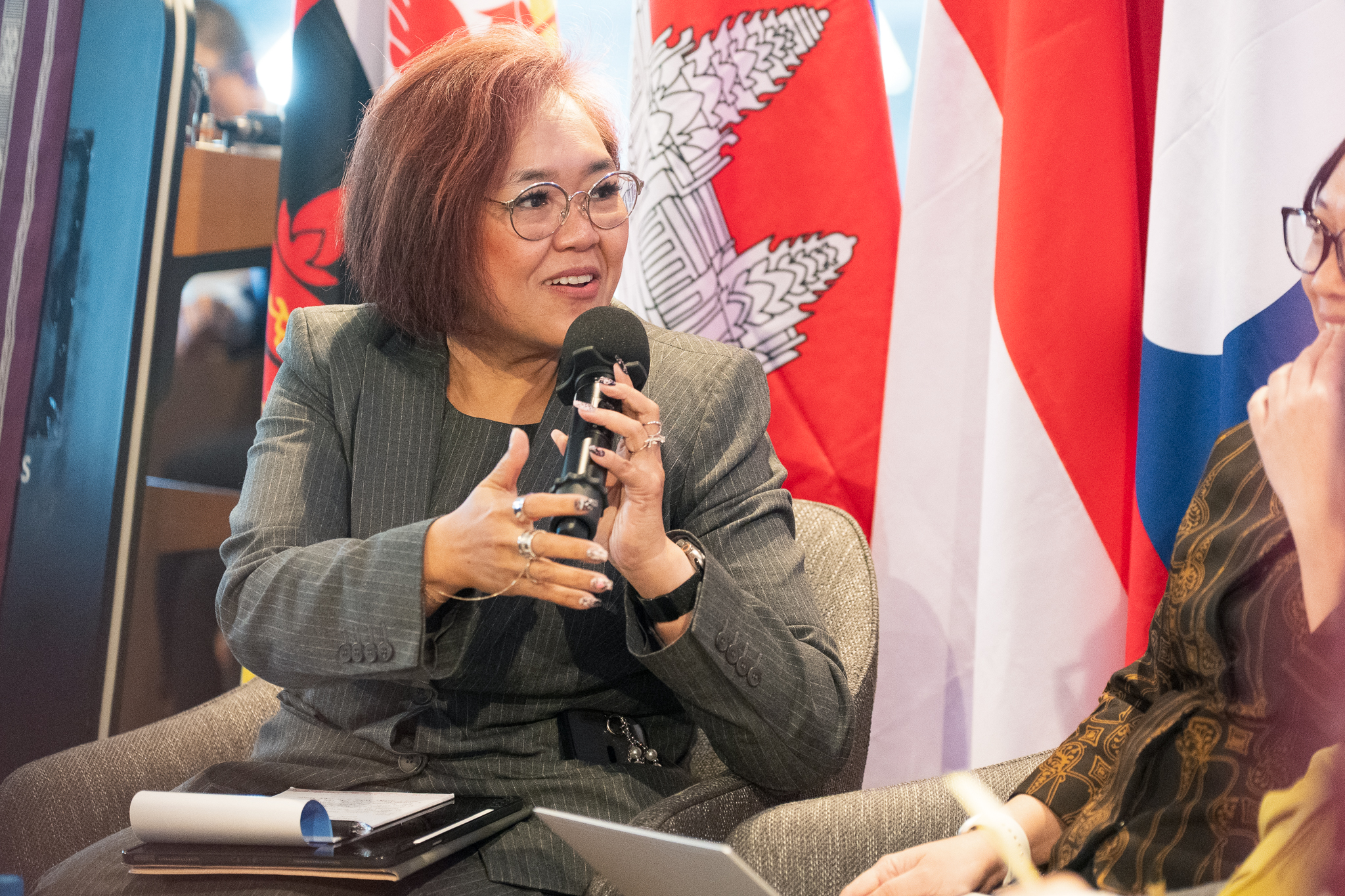
Delivering her welcome remarks, Maria Helena Pires, Representative of Timor-Leste to AICHR, stressed that sustainable development requires peace, and peace requires inclusion, dignity and opportunity, while human rights provide the foundation upon which both can be sustained. Noting that 65% of Timor-Leste’s population is under the age of 30, she highlighted that youth are “not simply beneficiaries of development, but one of our greatest assets and partners in building the future,” stressing the need to expand access to education, skills, decent work, digital opportunities and meaningful participation.
She stressed that development must reduce inequalities and expand access to essential services and opportunities, particularly for countries facing structural vulnerabilities. Emphasising that international cooperation and access to finance, technology, and capacity-building remain critical to ensuring inclusive and sustainable development, she said that “international solidarity is not charity; it is a shared responsibility,” noting that ASEAN’s strength lies in its ability to work together, learn from one another and ensure that “no ASEAN Member State, community or person is left behind”.
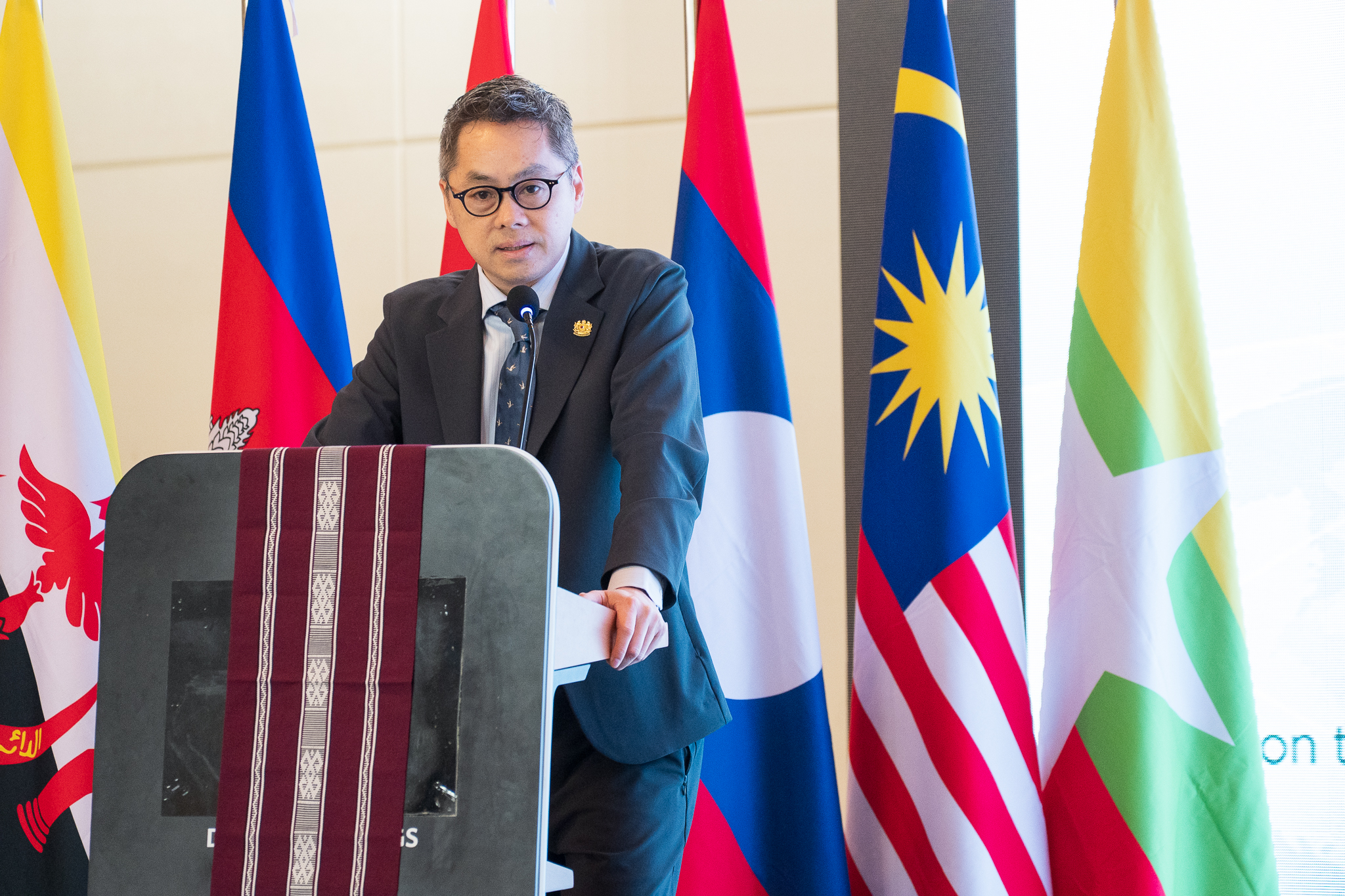
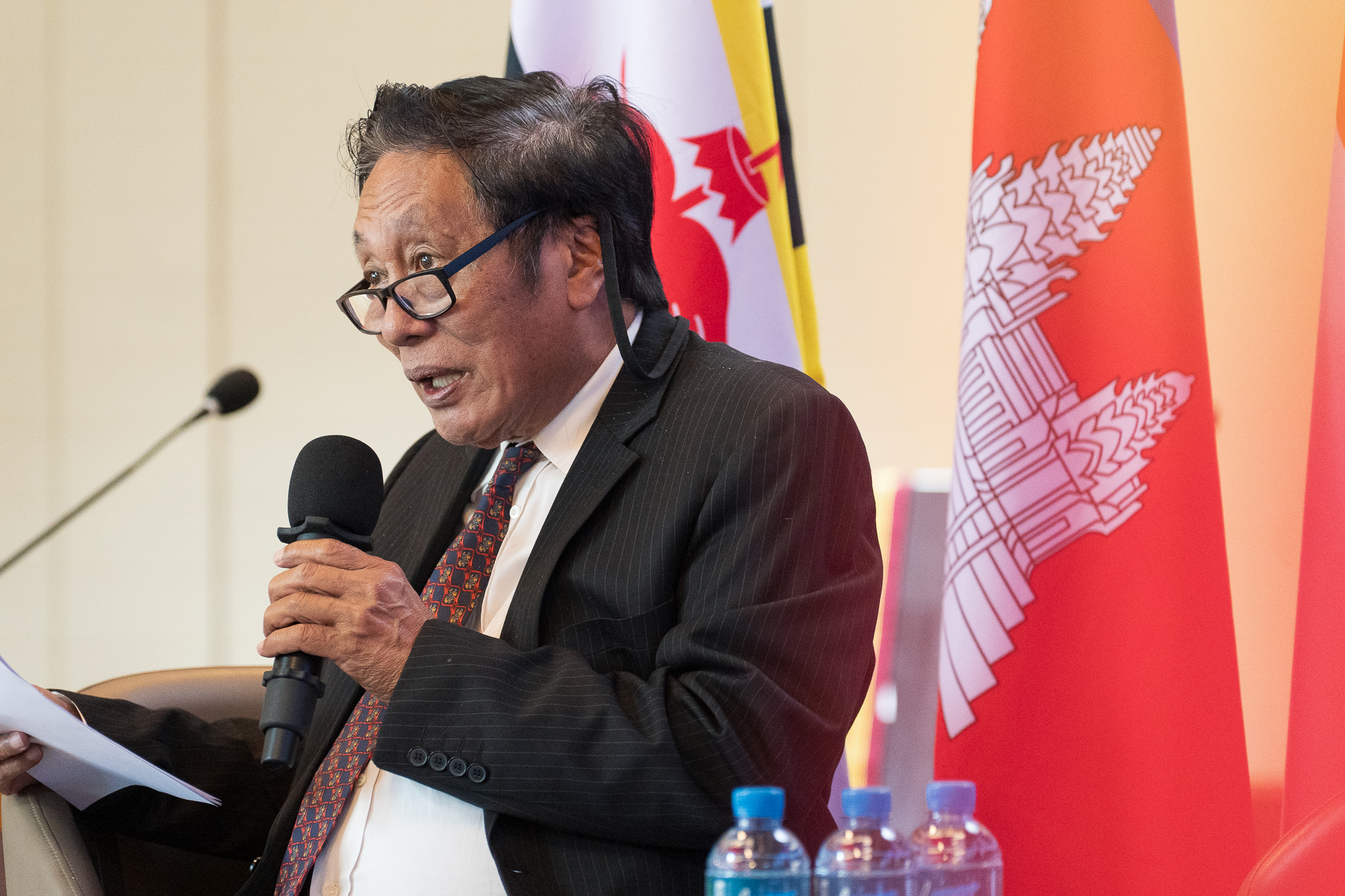
Reflecting on Timor-Leste’s journey from conflict to peace, Edmund Bon Tai Soon, Representative of Malaysia to AICHR, underscored the enduring human rights and development costs of conflict, while highlighting the country’s resilience and progress. “Few places offer a more compelling example of what can be achieved in a relatively short period of time, since the end of the conflict — through peace, determination, and inclusive nation-building. It was not an easy journey,” he said in his welcome remarks.
Noting that Timor-Leste’s experience demonstrates how peace, development, strong institutions and human rights can advance together, he emphasised that peace and development are mutually reinforcing rights and central to laying the foundation for nation-building. He further stressed that development cannot be treated as purely an economic project, but must place people at its centre, ensuring meaningful participation and equitable, sustainable enjoyment of its benefits by all.
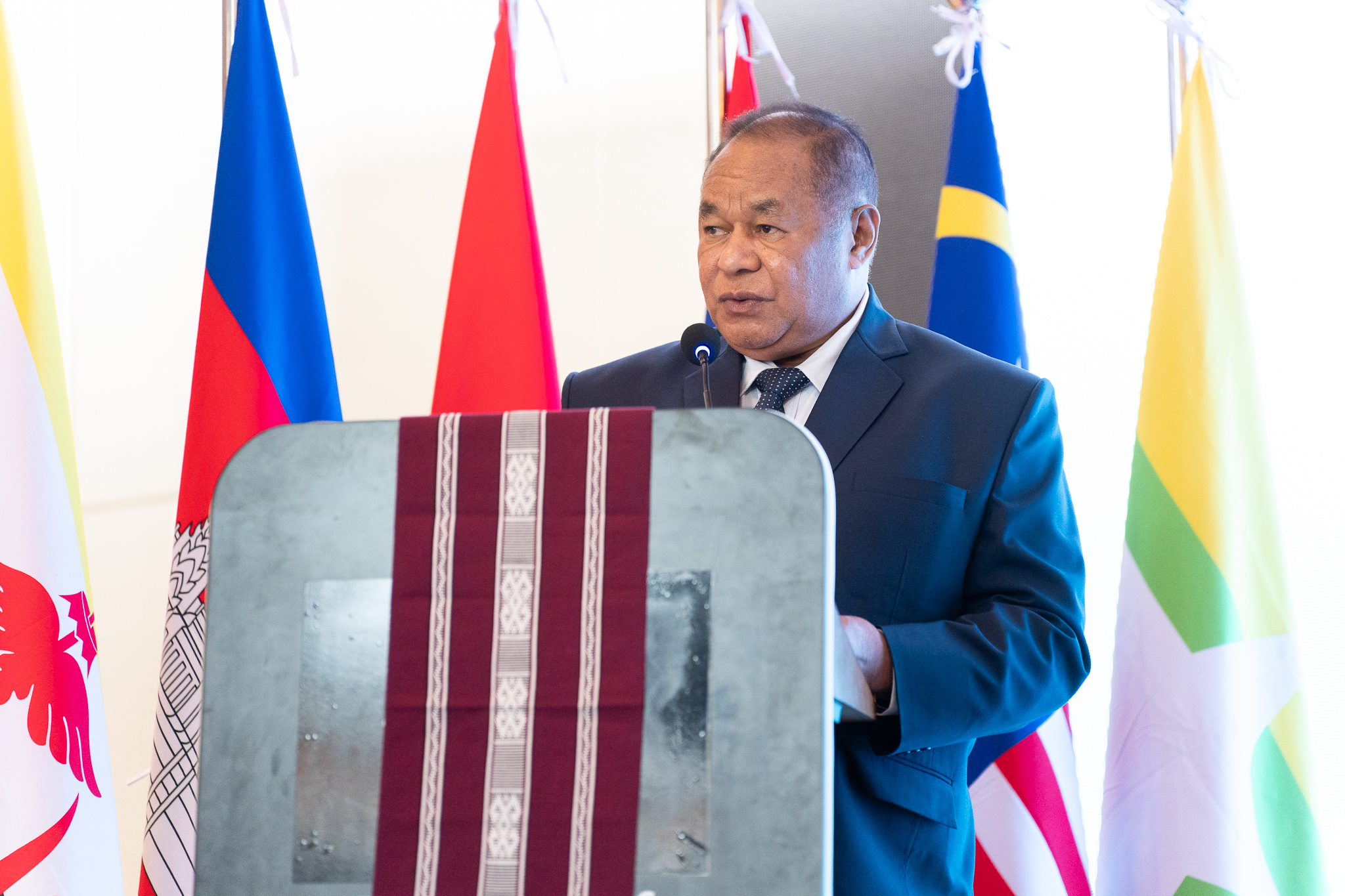
In his high-level address, Bendito dos Santos Freitas, Minister of Foreign Affairs and Cooperation of Timor-Leste, said that sustainable development requires not only economic progress but also resilient institutions, social inclusion, human dignity, and sustained cooperation. Against a backdrop of inequality, climate change, technological transformation, economic uncertainty, and geopolitical tensions, the ADDP is an important milestone for ASEAN, and the Declaration’s principles need to be translated into concrete outcomes. “Our challenge now is to translate this framework into implementation,” he said, stressing the need to move “from declarations to implementation, from principles to policies, and from regional commitments to measurable results”. He further underscored that ASEAN’s success must ultimately be measured by whether its peoples experience greater opportunities, its development gaps narrow, and vulnerable communities are empowered to hold a meaningful stake in ASEAN’s shared future.
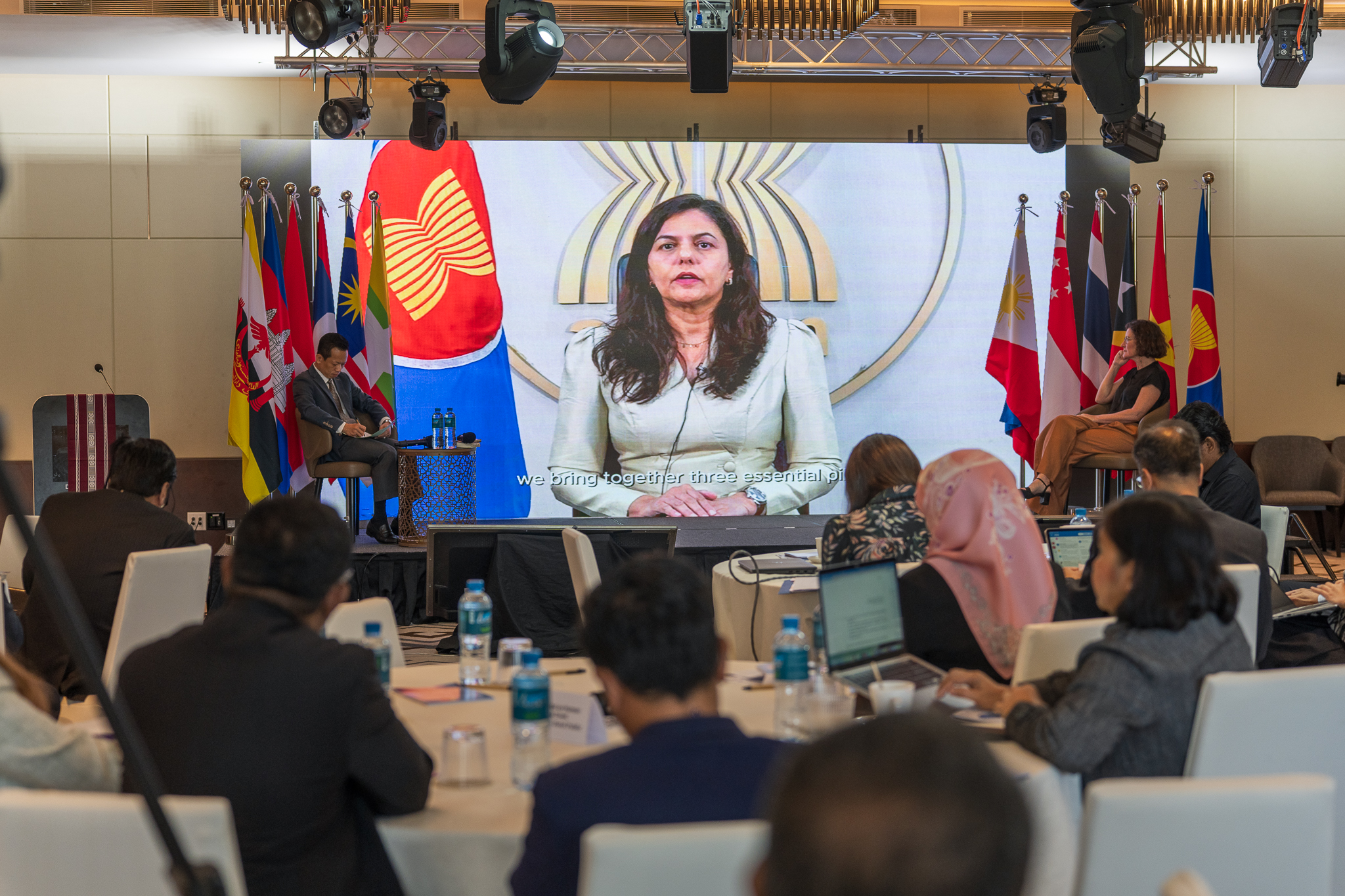
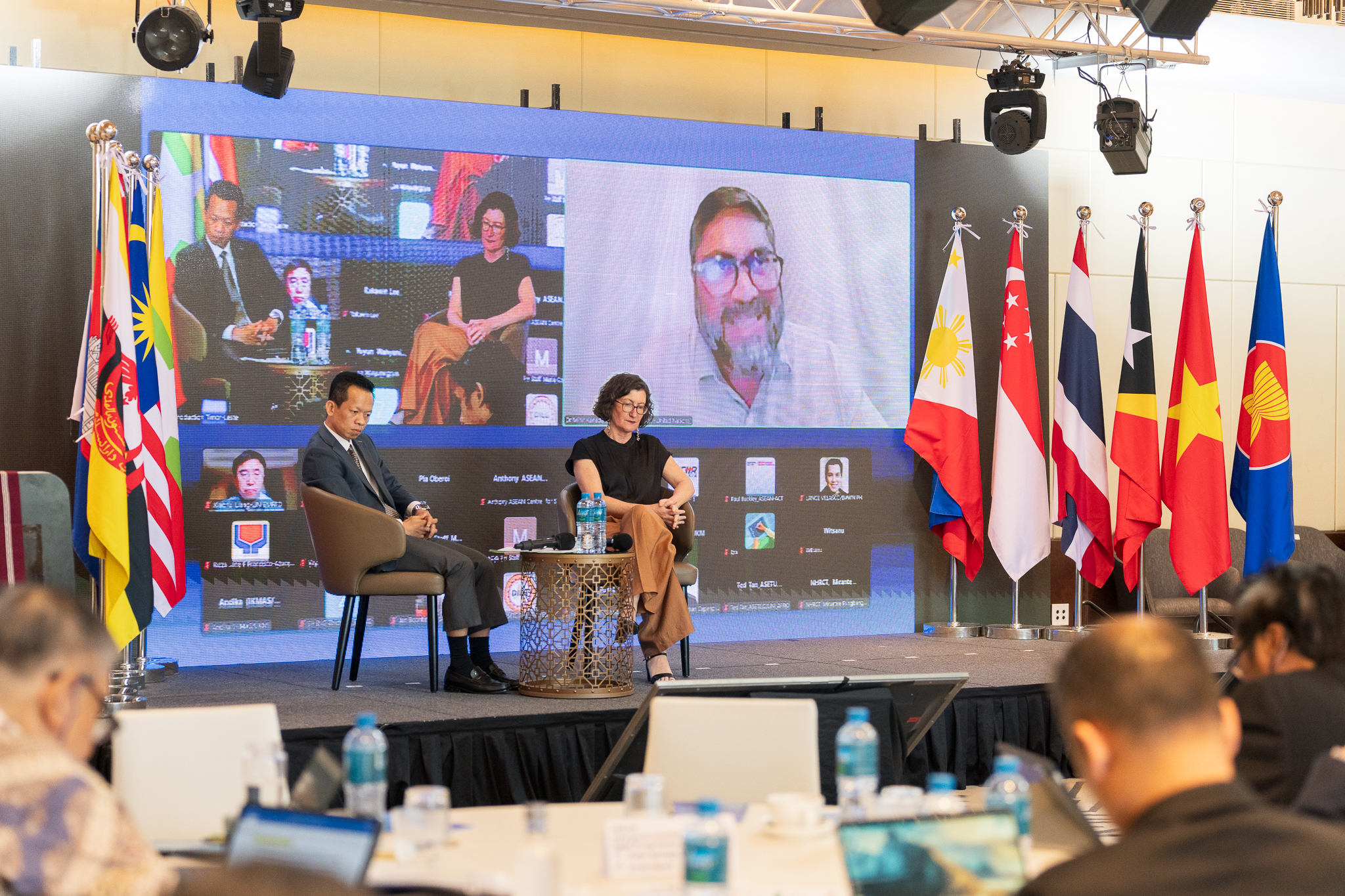
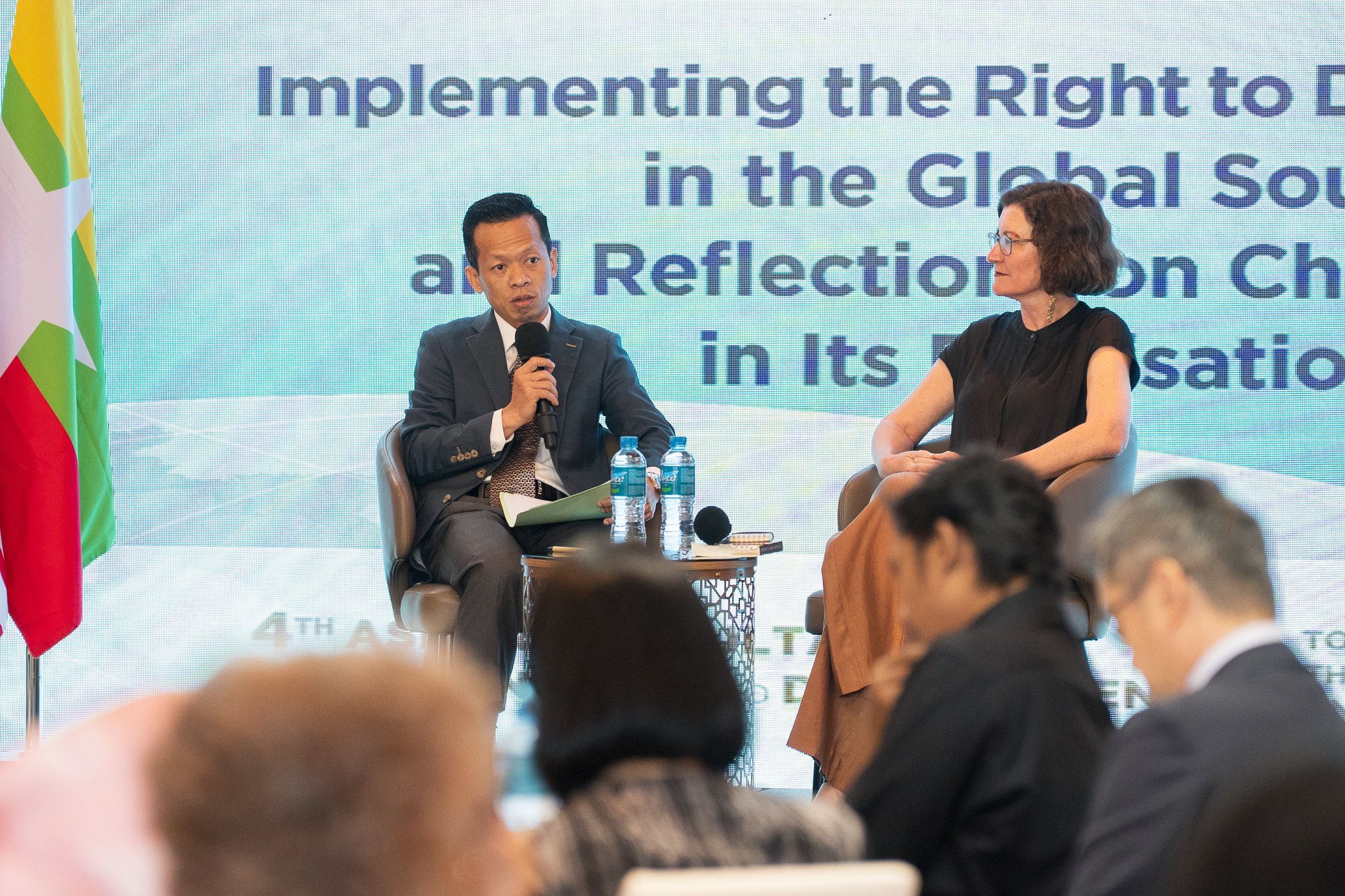
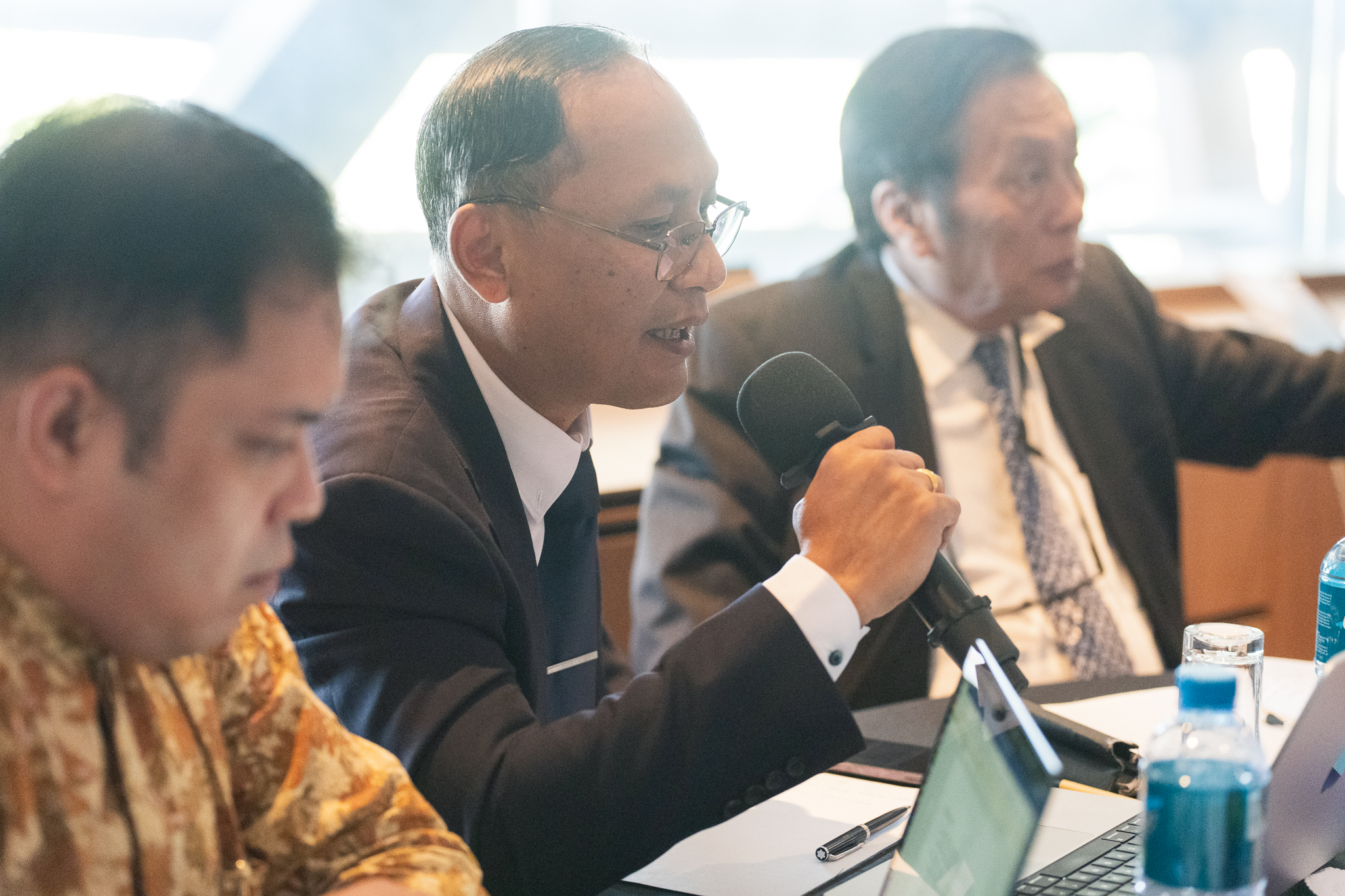
Over the two days of consultation, participants identified critical priorities for advancing the rights to development and peace across the region. On the first day, discussions centred on moving normative commitments into practical regional implementation. Panellists linked the right to development with meaningful public participation, equitable distribution of economic growth, institutional implementation within existing ASEAN frameworks, environmental sustainability, and expanded international cooperation.
Speakers also showed how people must be recognised not merely as beneficiaries, but as active participants and agents in shaping decisions that affect their lives. Meaningful participation requires access to information, early engagement, and a genuine ability to influence outcomes. It was also emphasised that development must be assessed not only by economic growth, but by who participates, who benefits, and whether development gains are distributed equitably — with particular attention to inequalities and communities at risk of being left behind.
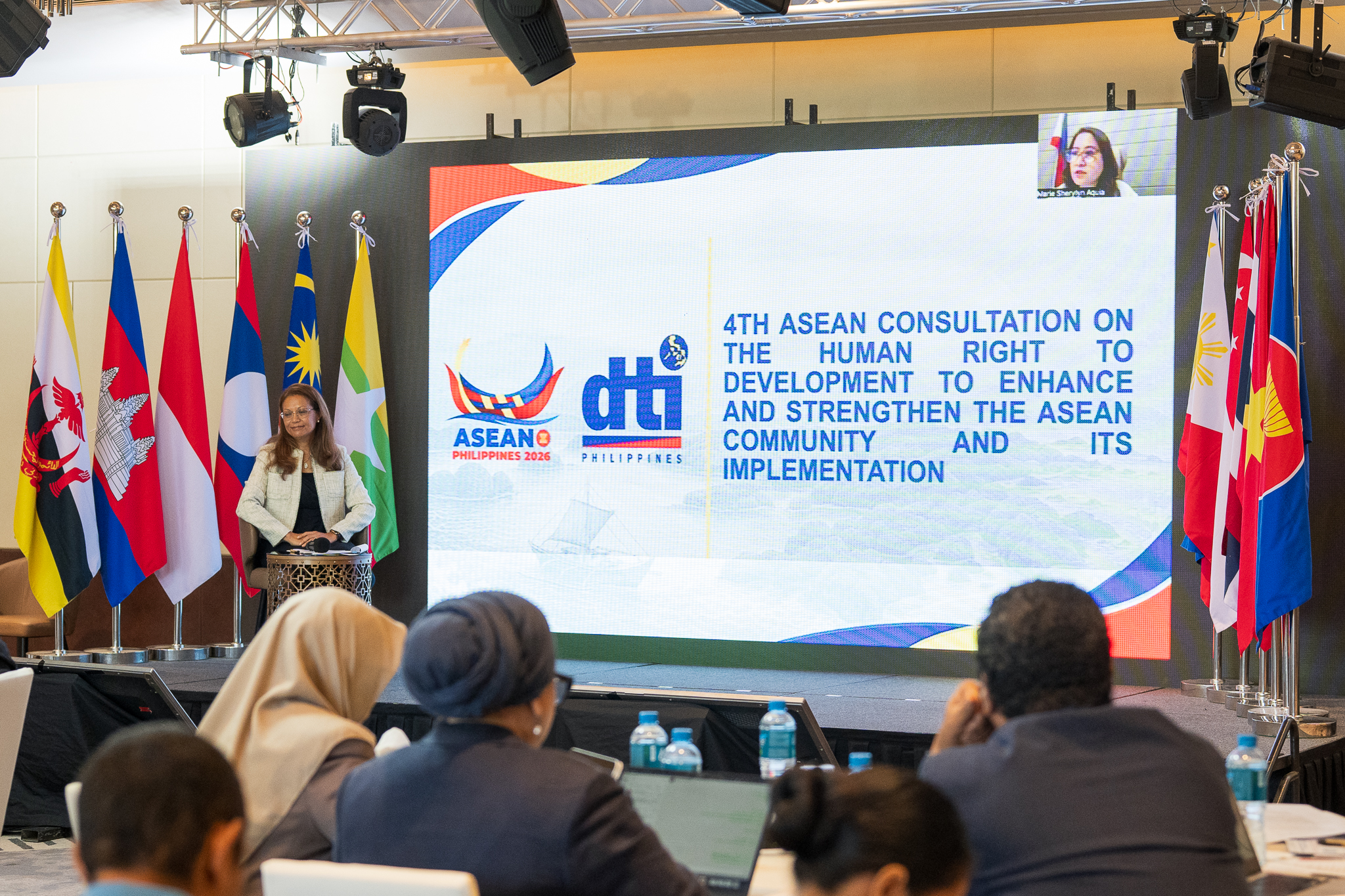
A recurring message was that, following the adoption of the ADDP, ASEAN’s priority must now be implementation. Participants highlighted the importance of measurable indicators, regular monitoring, stronger institutional coordination, and continued stakeholder engagement, while integrating the principles of the right to development and the right to peace into existing sectoral processes. Discussions also emphasised the importance of climate action grounded in equity, stronger social protection, access to education, healthcare and decent work, and the removal of structural barriers affecting vulnerable and marginalised groups. International cooperation — including finance, technology transfer and capacity-building — was identified as essential to advancing inclusive and sustainable development across the region.
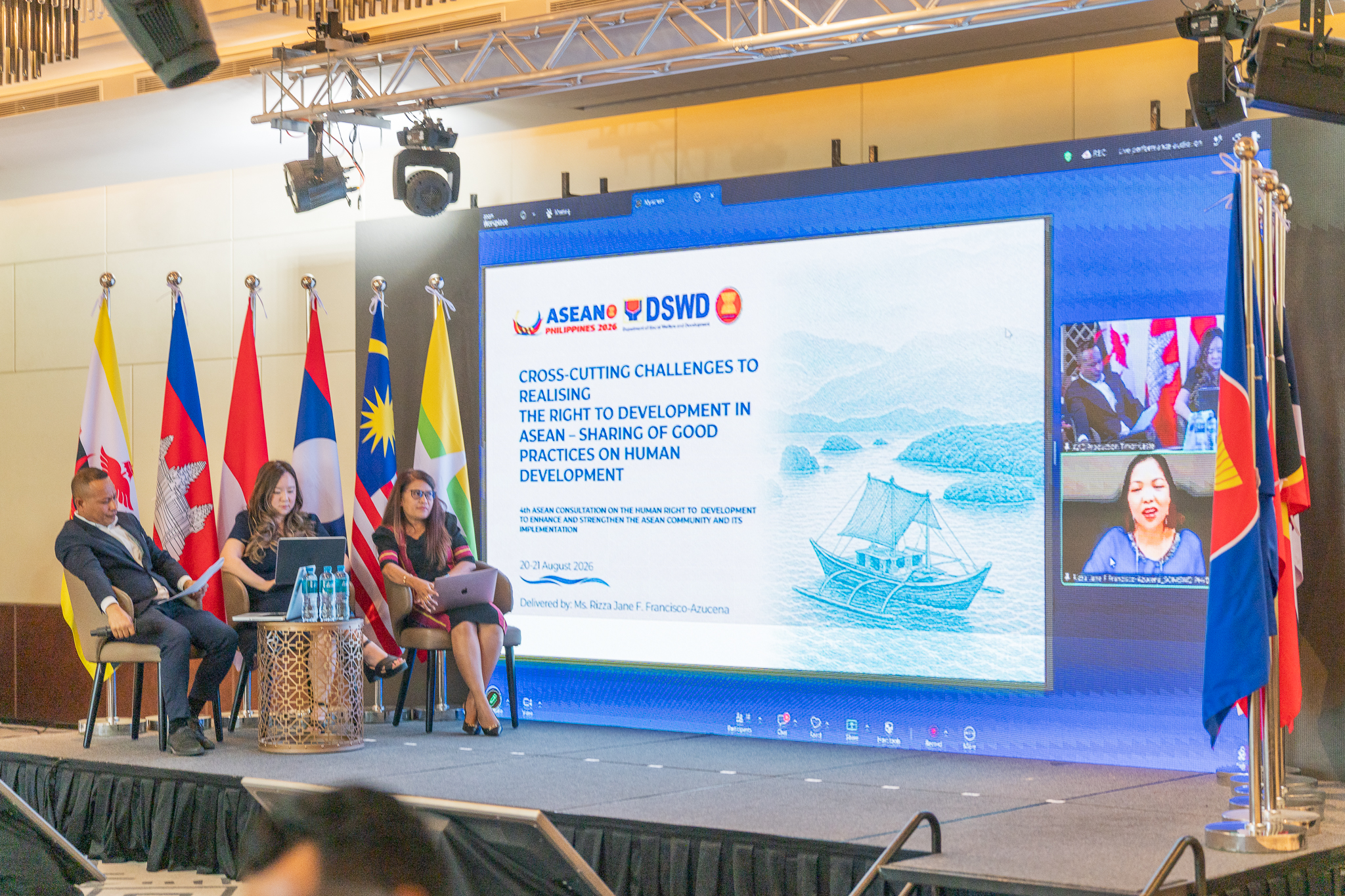
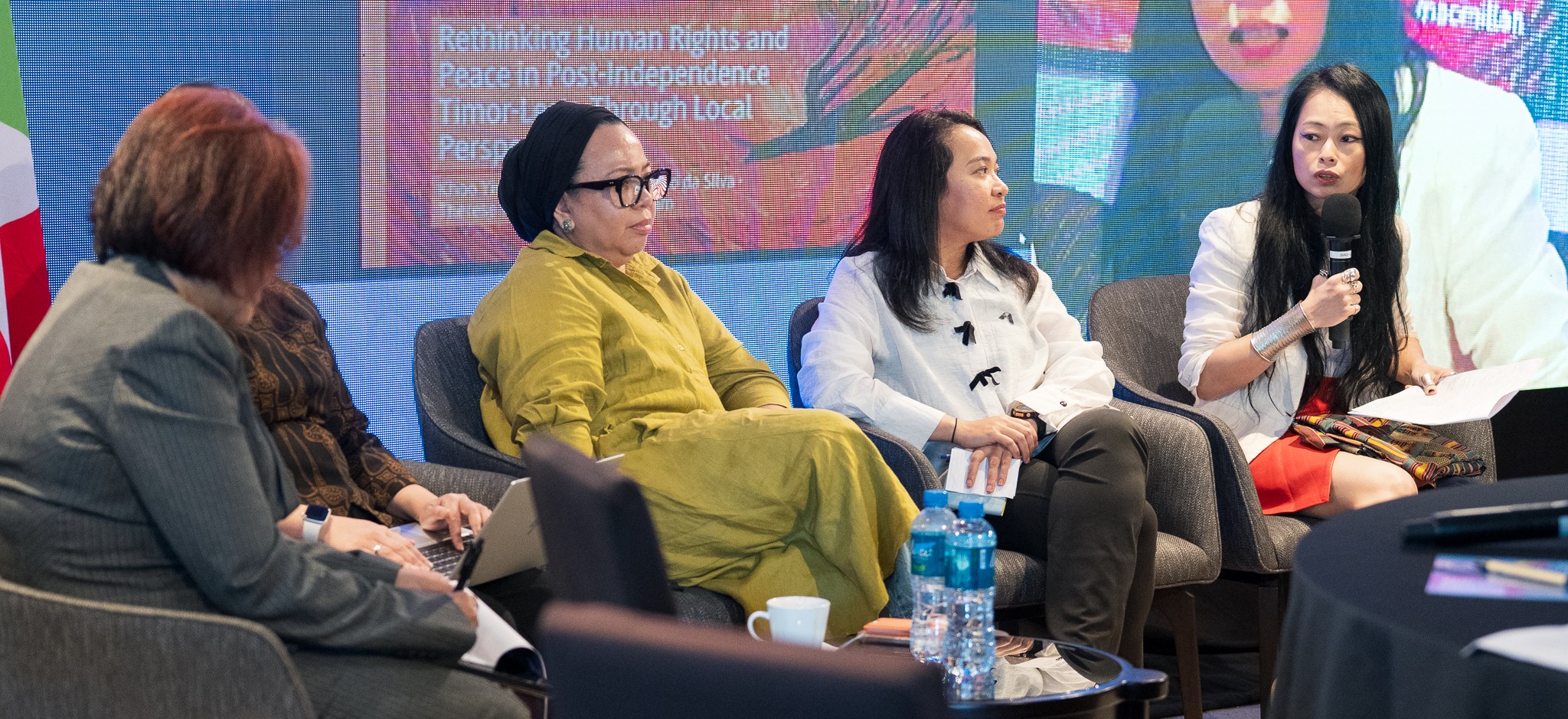
The following key messages emerged from the thematic panels and interventions on the second day of the consultation:
- The need to shift towards concrete implementation measures, including ensuring meaningful, institutionalised participation of people in marginalised situations such as women, children, persons with disabilities, migrants, refugees and Indigenous Peoples;
- Peace and security, migration, climate change, and emerging technologies were identified as priority thematic areas;
- A call to pursue human well-being and environmental sustainability together rather than treating development purely as economic growth; and,
- The need to strengthen ASEAN’s regional leadership, ownership and cooperation.
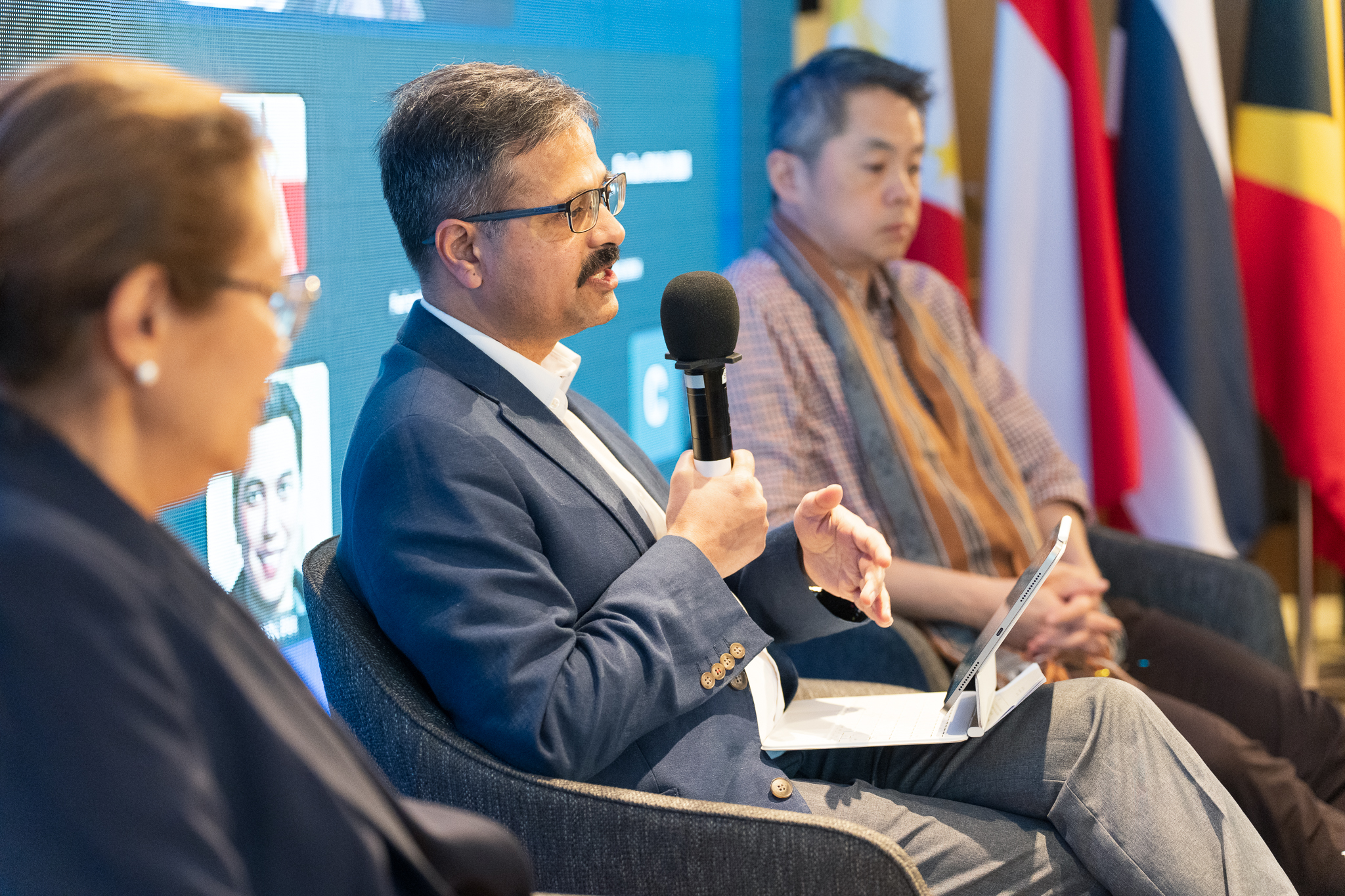
In his reflections, Professor Surya Deva, the United Nations Special Rapporteur on the Right to Development, framed the right to development as encompassing equitable and inclusive development, meaningful participation, and fair distribution of benefits. He urged ASEAN to pursue an ASEAN-led and ASEAN-owned approach in which the region does not merely receive or adapt international human rights standards, but actively helps shape them, positioning ASEAN’s collective experience as a source of practical, replicable models for realising the right to development elsewhere in the world.
This aspiration ran through the consultation as a whole: that an ASEAN-led approach to the right to development and the right to peace is not simply about regional self-determination in implementation, but about ASEAN drawing on its own diversity, resilience and lived experience — from post-conflict nation-building to rapid, inclusive growth — to contribute original, credible models to the global discourse on development and human rights, at a time when multilateral consensus on these issues is increasingly contested.
The fourth ASEAN consultation consolidated a whole-of-ASEAN approach to ensure ASEAN remains at the centre of shaping its own development and peace pathways, with ASEAN Member States, ASEAN Organs, Sectoral Bodies and Entities, civil society organisations, and stakeholders working in a coordinated and coherent manner. Good practices, progress, challenges and opportunities, both at the national and regional level, in realising the right to development and right to peace will inform the proposed ASEAN Regional Outlook and Human Rights Report on the Right to Development and the Right to Peace.
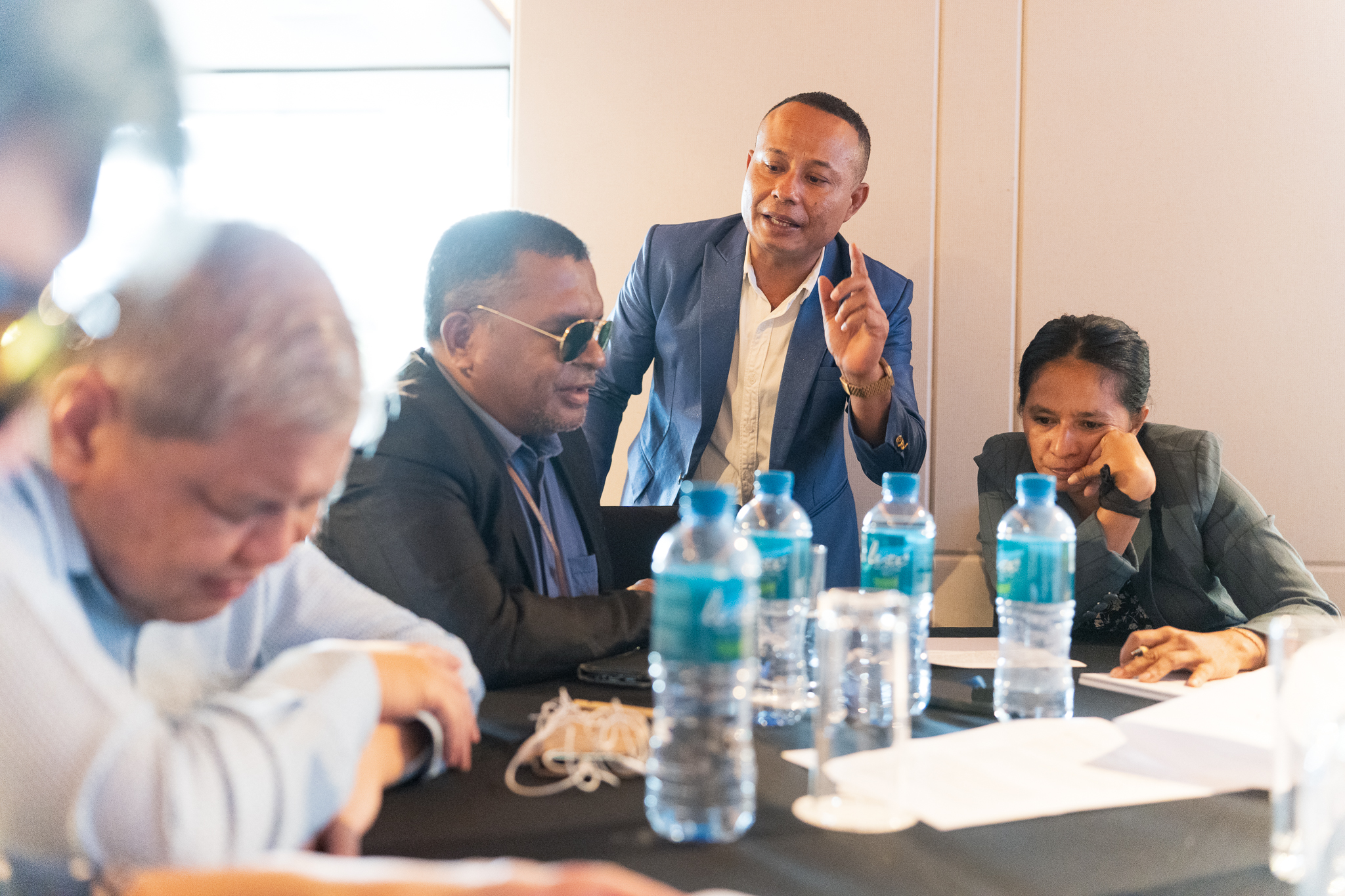
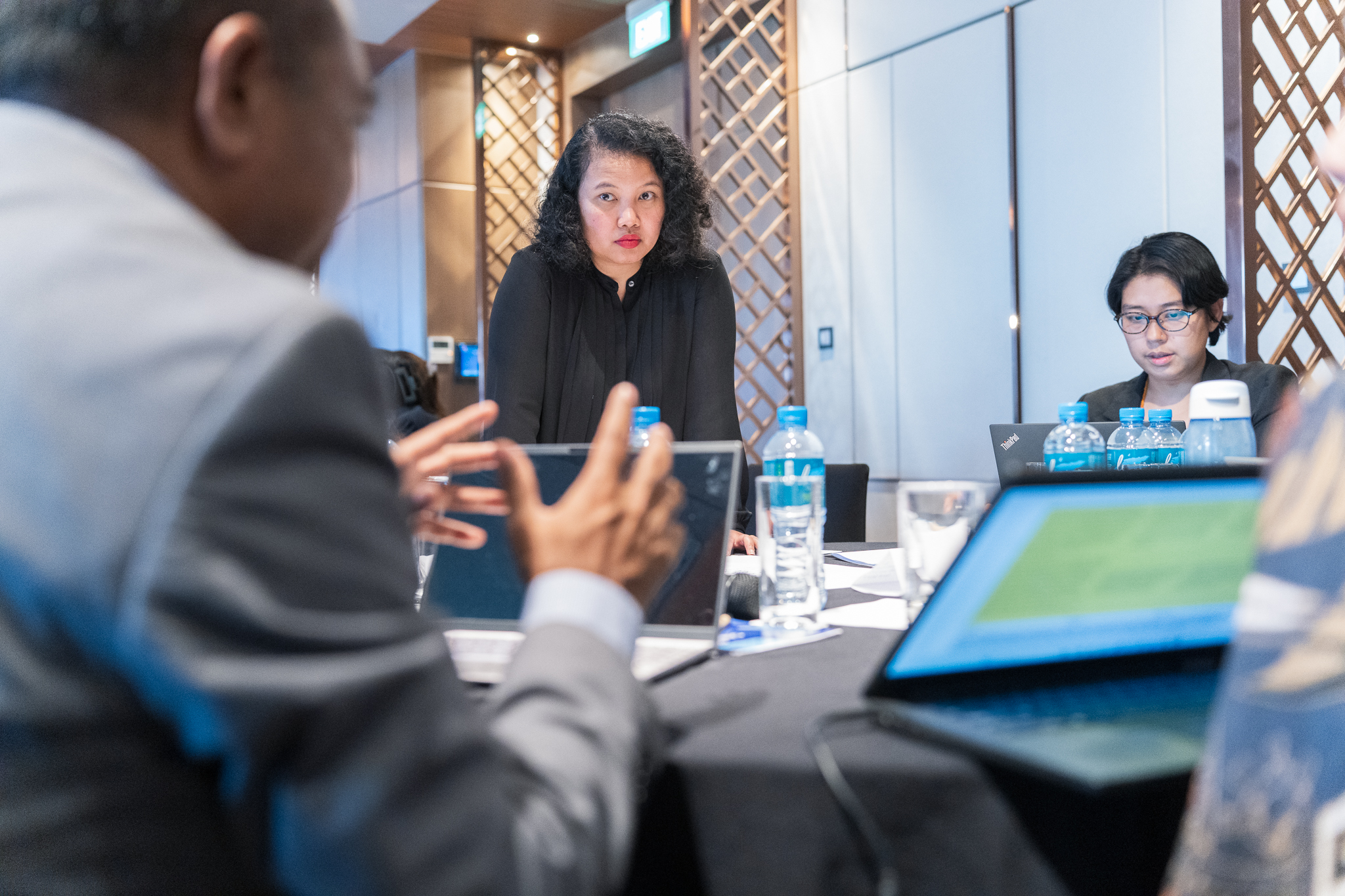
Facilitating collaborative ideation of ways forward, participants proposed concrete national and regional measures and actions to forward to the WC-ADDP for consideration. These proposed measures include conducting national and regional reviews on responsible business conduct, establishing a civil society platform to assess the human rights impacts of trade agreements, and building regional protection networks for human rights defenders.
Additionally, delegates recommended creating structured mechanisms for migrant participation in policy creation, holding targeted consultations with women entrepreneurs on digital inclusion, strengthening regional peacebuilding and early-warning systems, and applying a cross-cutting human rights lens across climate policy, migration, peace, and new technologies.
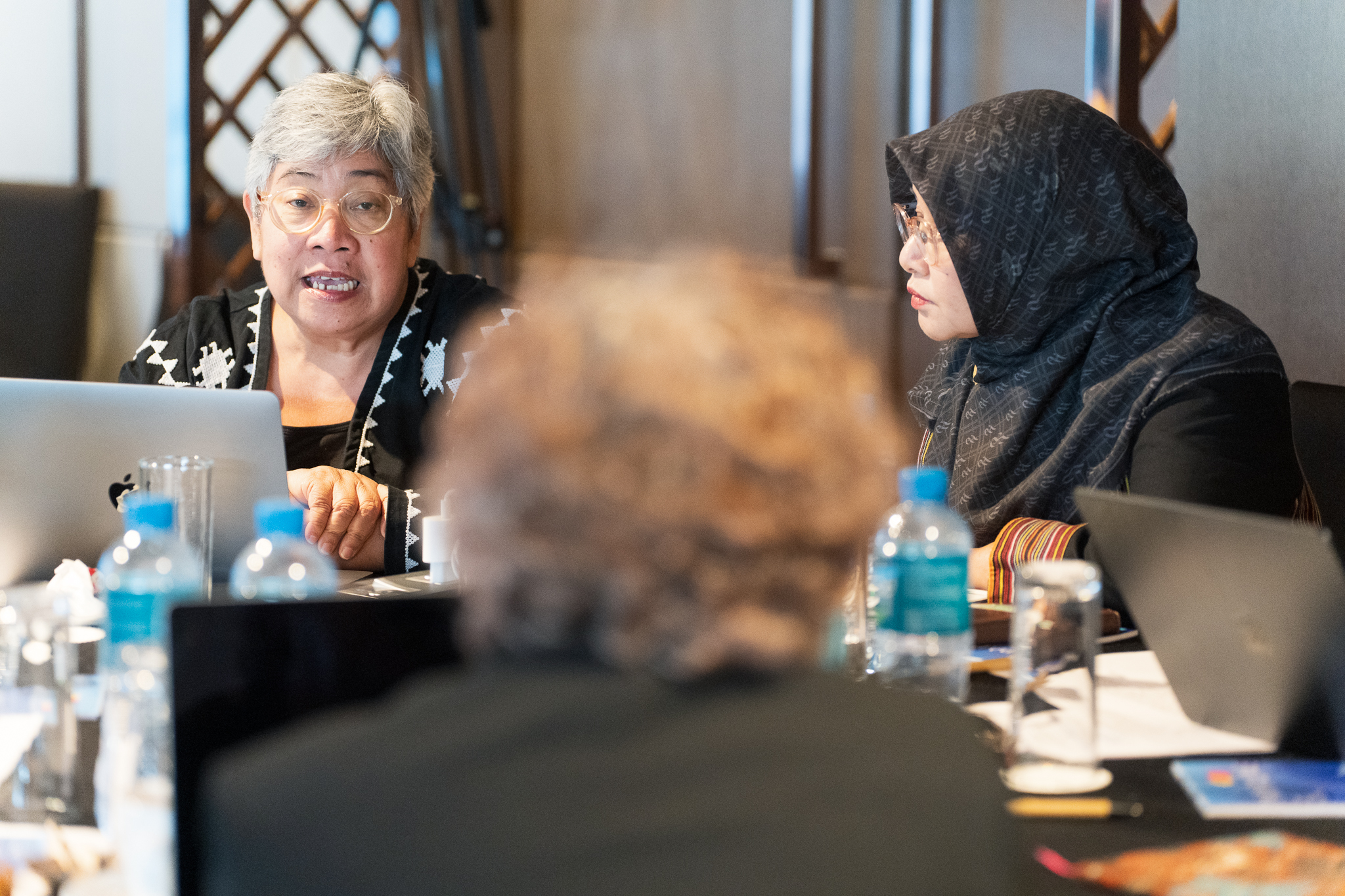
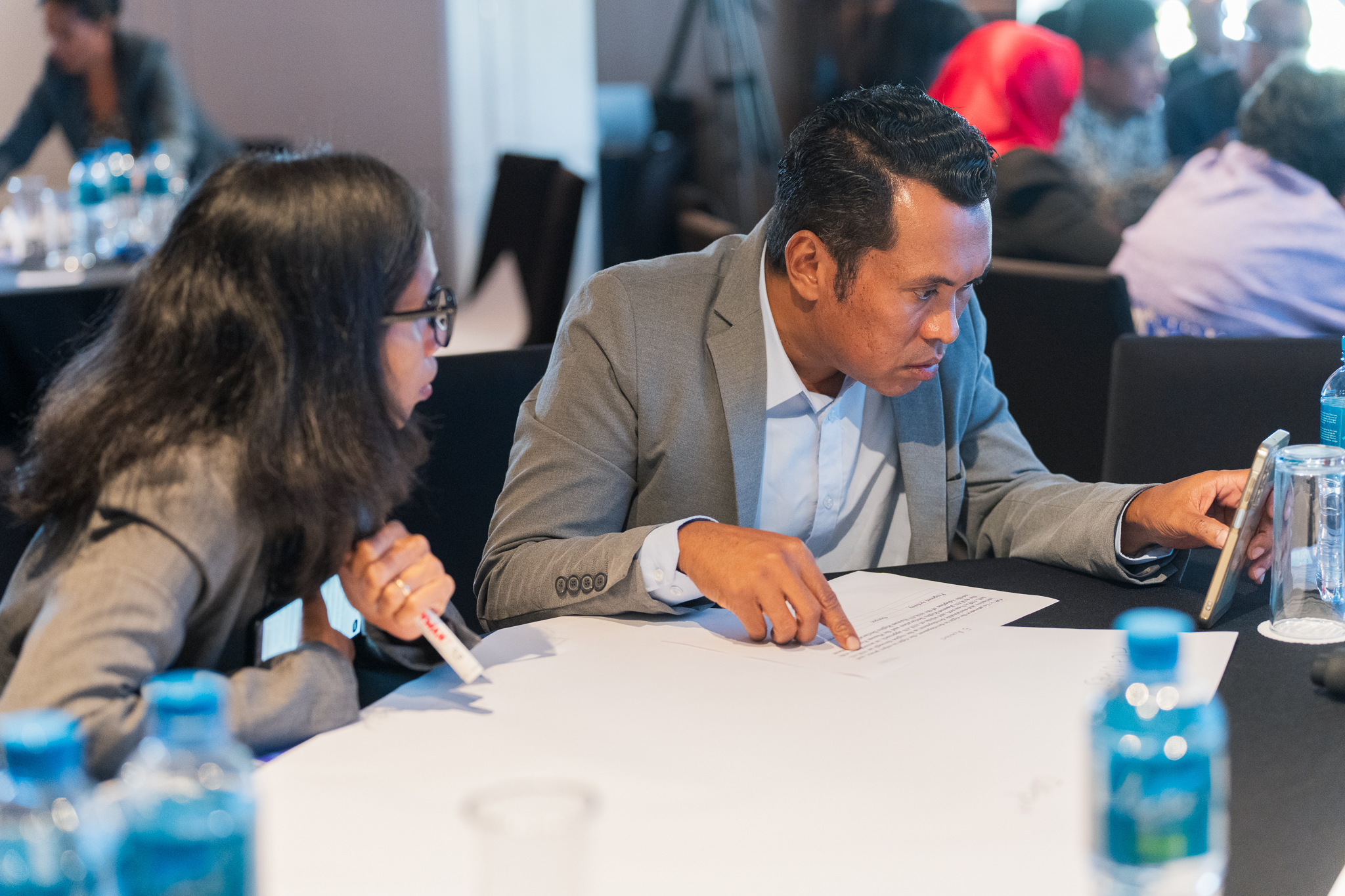
The consultation and dialogue brought together over 120 participants in person and online, including AICHR Representatives/Alternate Representatives and AICHR Assistants, ASEAN Secretariat, representatives of ASEAN Member States and ASEAN bodies, national human rights institutions, civil society organisations, and international and regional development experts.
For context, the ADDP reaffirmed the right to development and the right to peace as inalienable and interlinked rights, and further strengthened ASEAN’s evolving human rights architecture, building on foundational instruments such as the ASEAN Charter and the ASEAN Human Rights Declaration 2012 (AHRD). As one of AICHR’s annual flagship events, the 4th consultation builds on the 2nd and 3rd AICHR consultations on the human right to development .
The programme is supported by the governments of Malaysia, Timor-Leste, and Australia, Australian Human Rights Commission (AHRC), Office of the United Nations High Commissioner for Human Rights (OHCHR), and ASEAN Member States through the ASEAN-AICHR Fund.
Click here to view more photos and here to watch the video of the consultation.