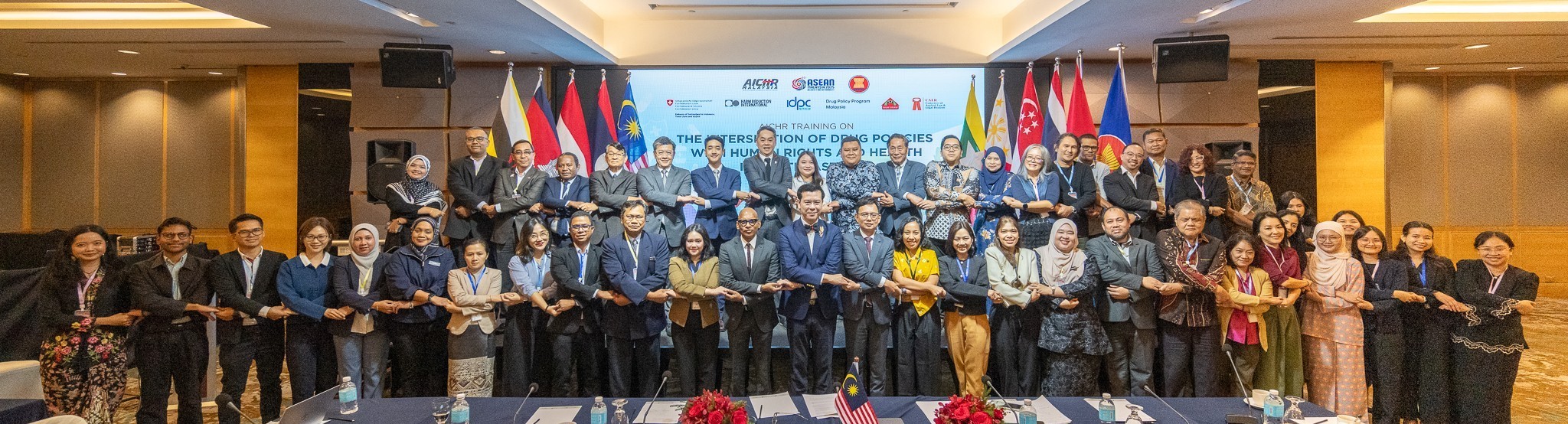
ASEAN strengthens cooperation, and charts new path on human rights and health-based approaches to drug policies through landmark AICHR training in Malaysia
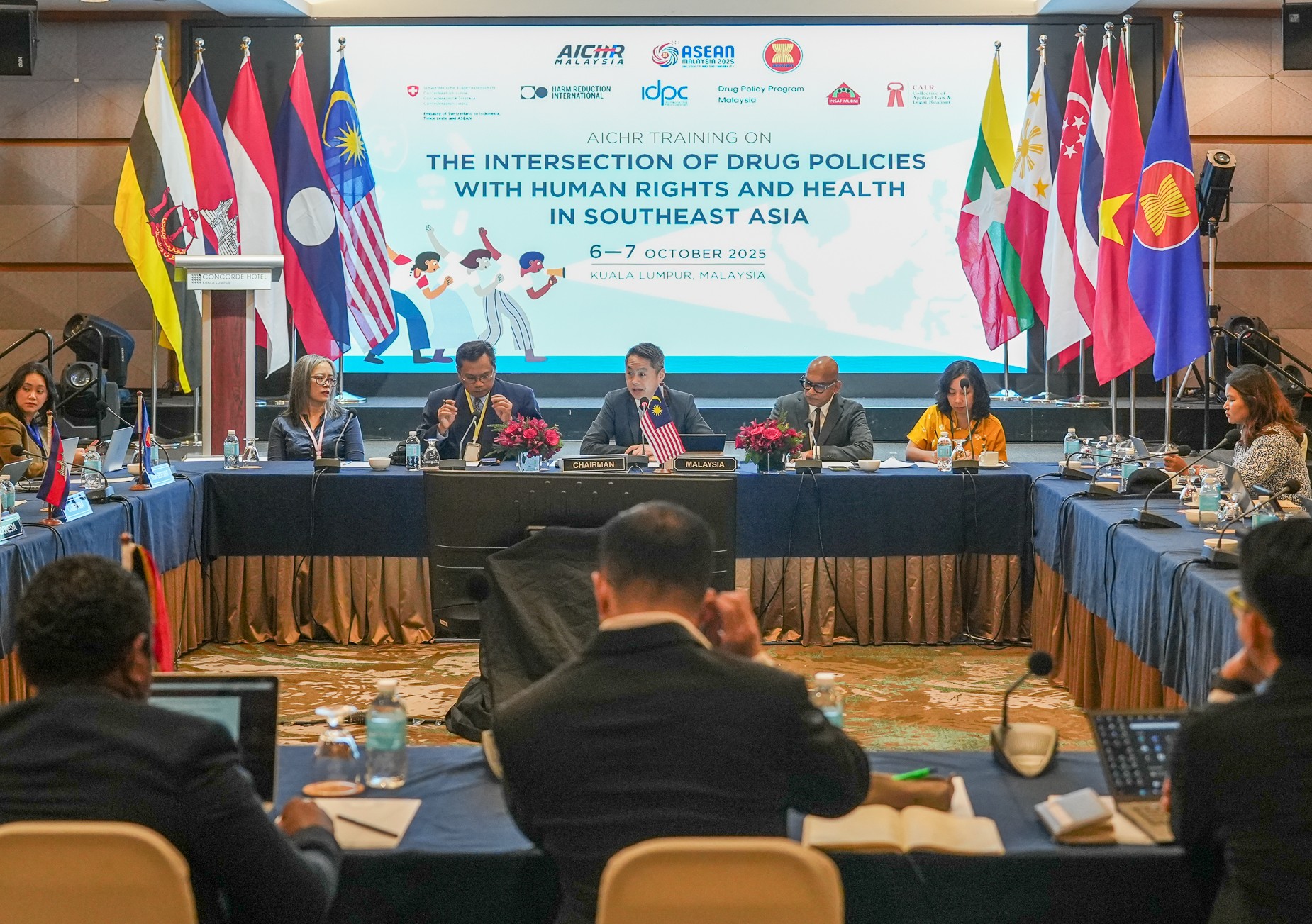
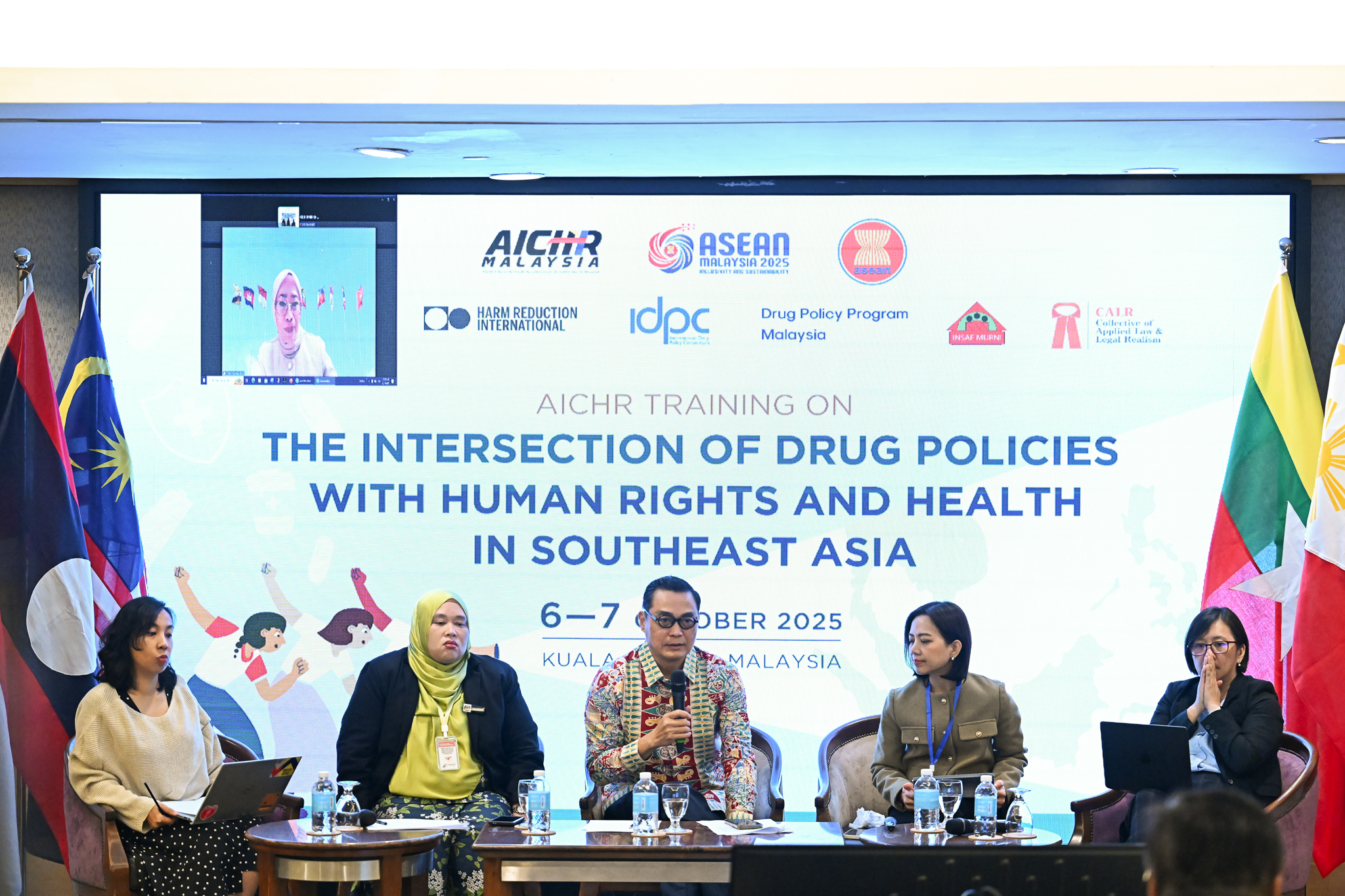
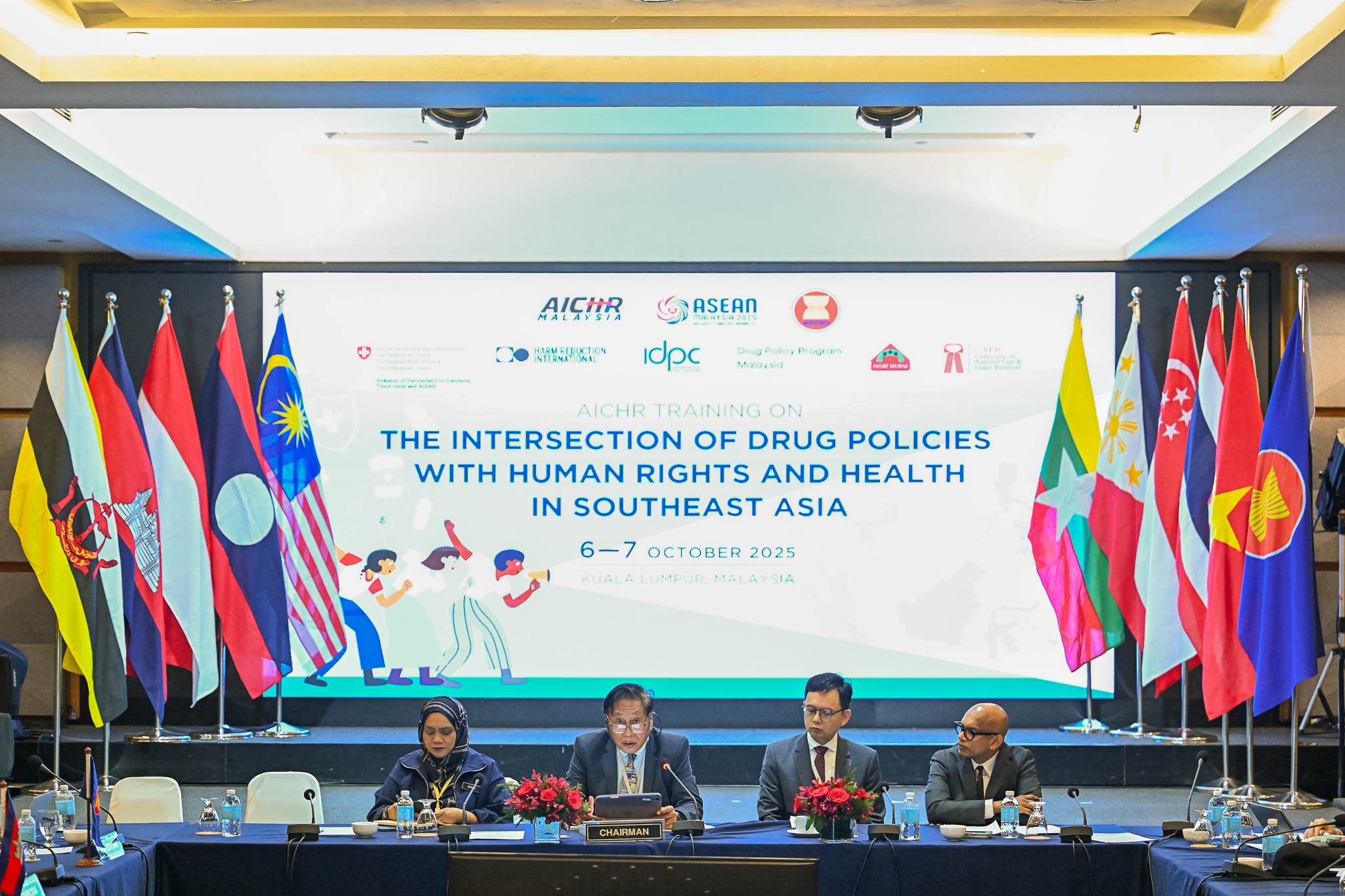
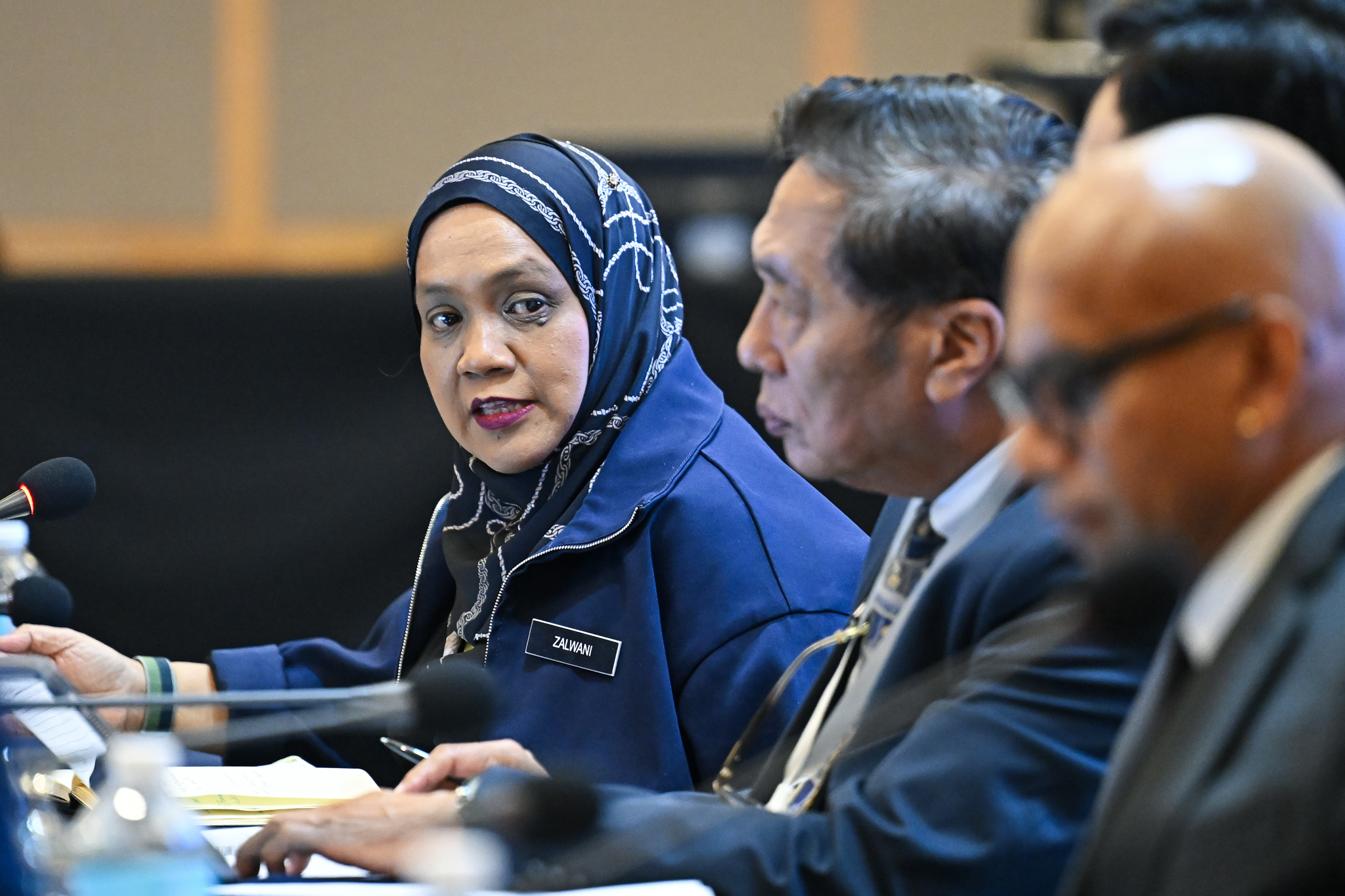
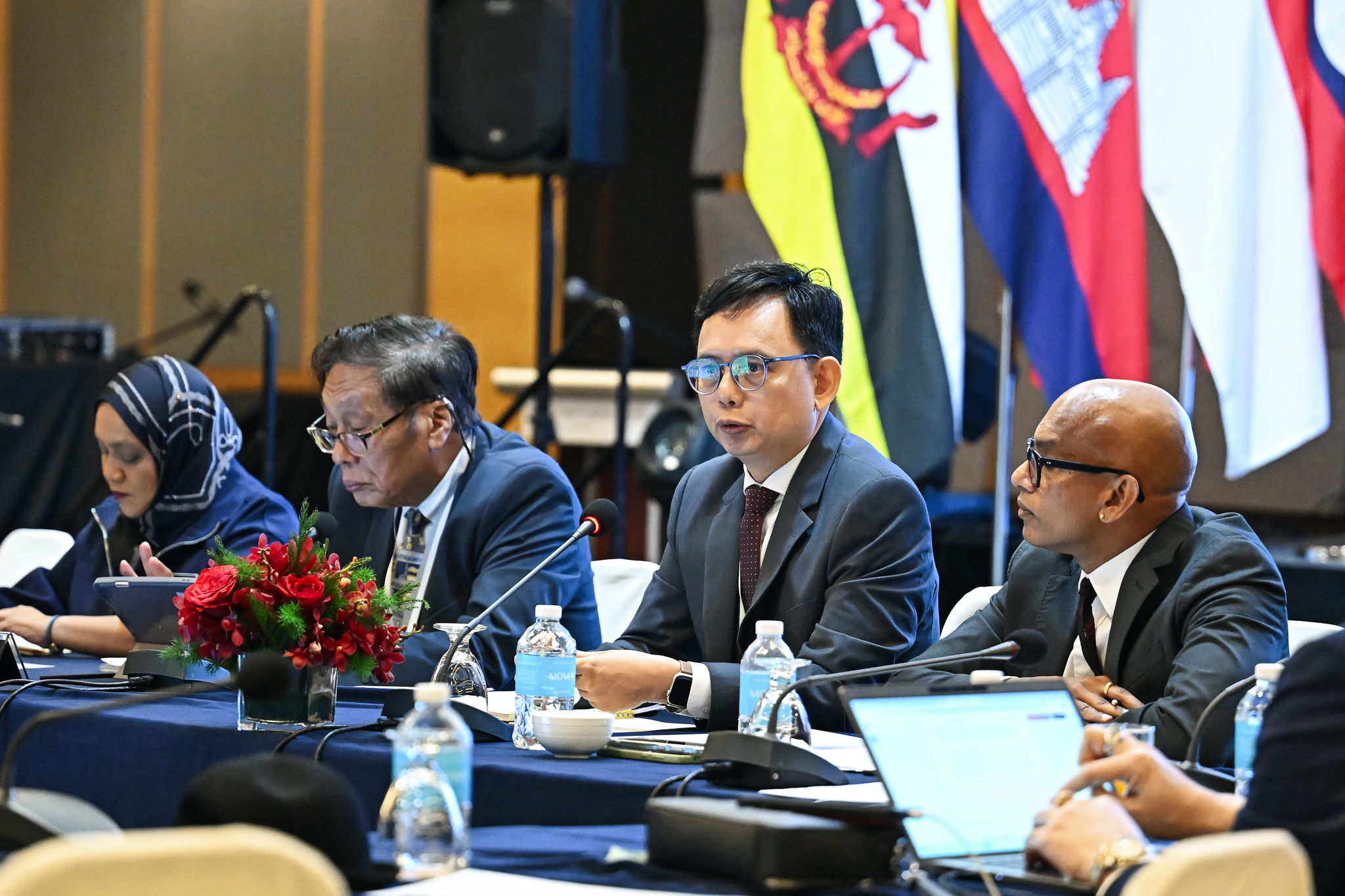
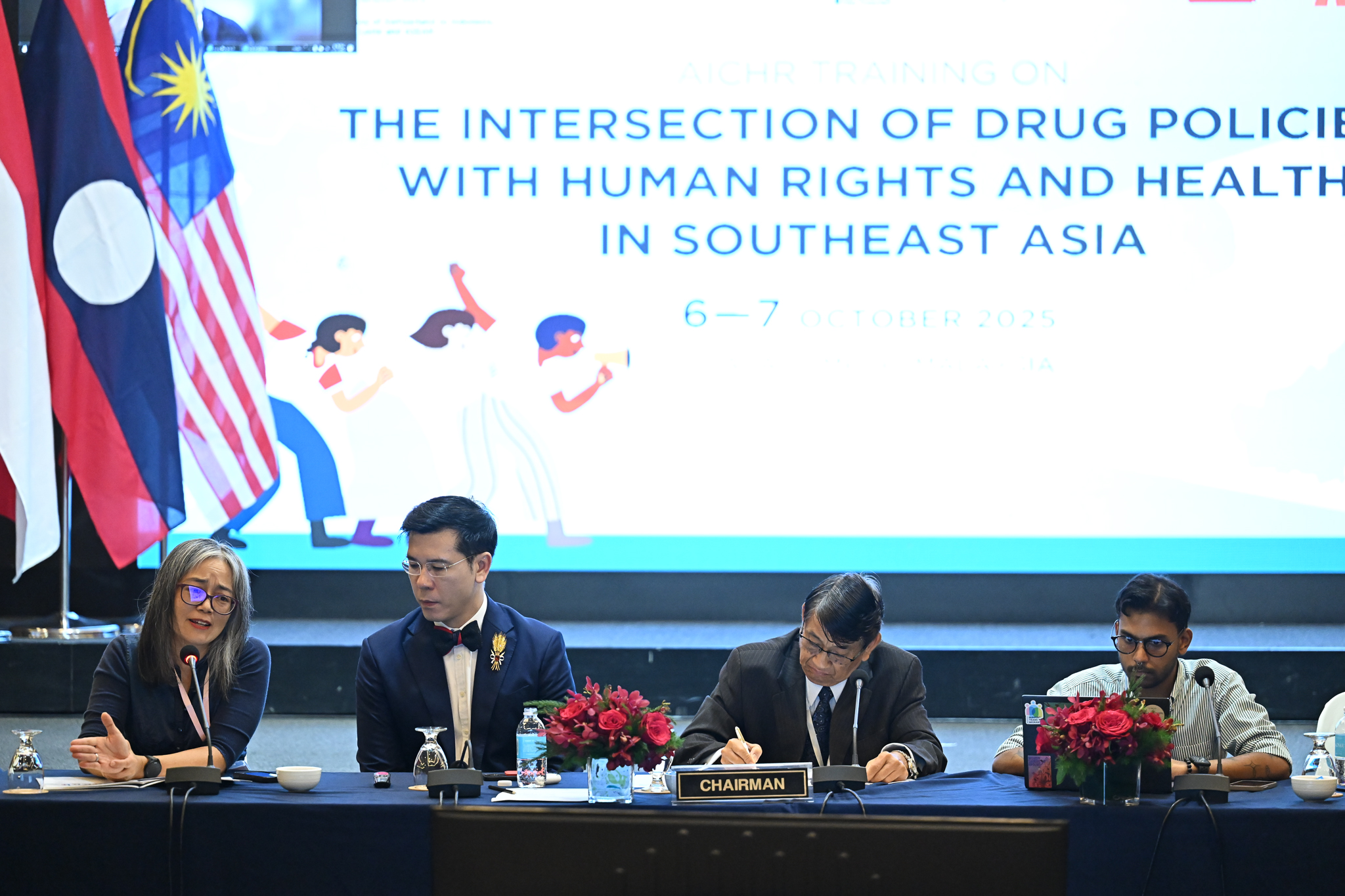
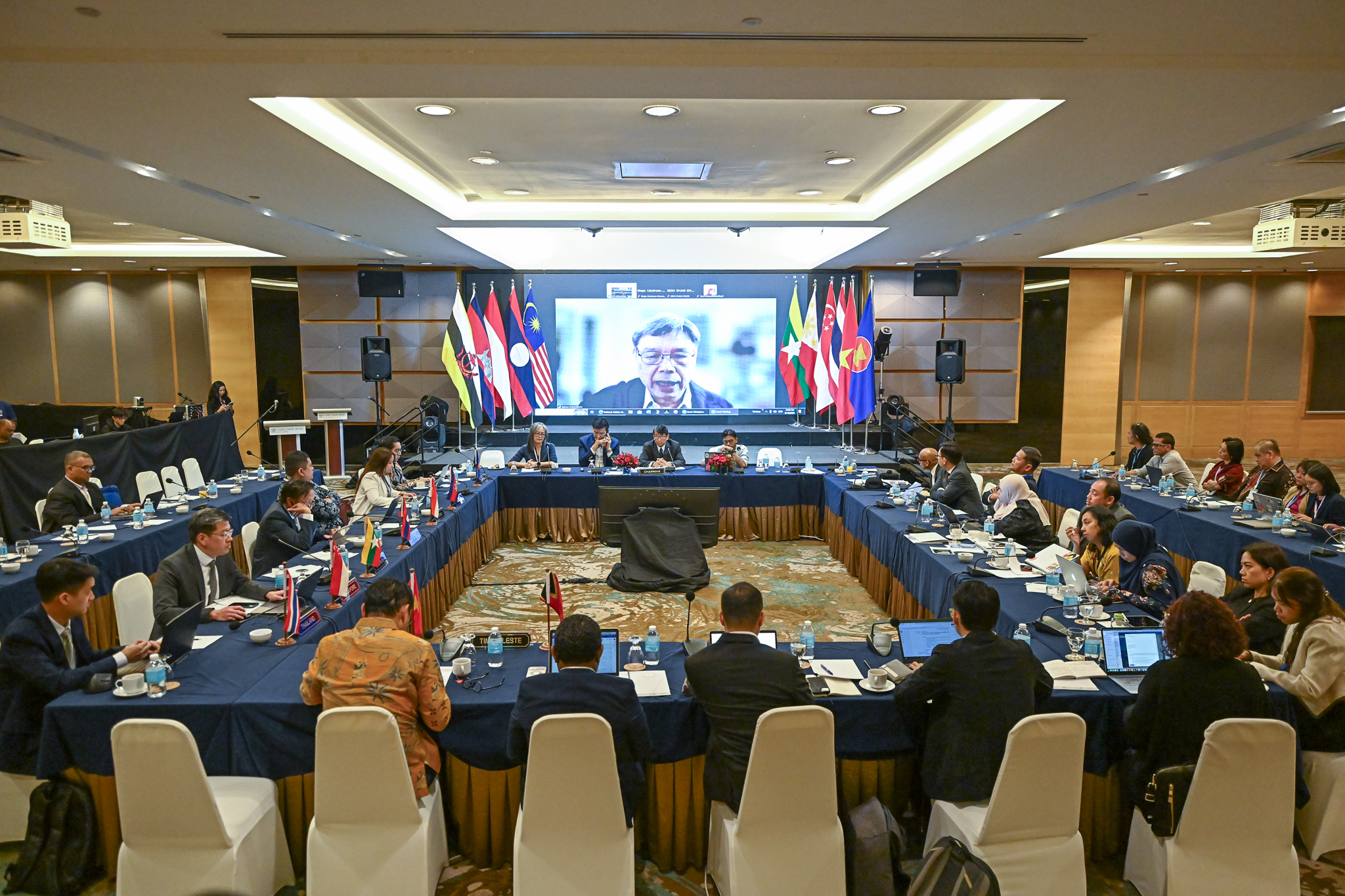
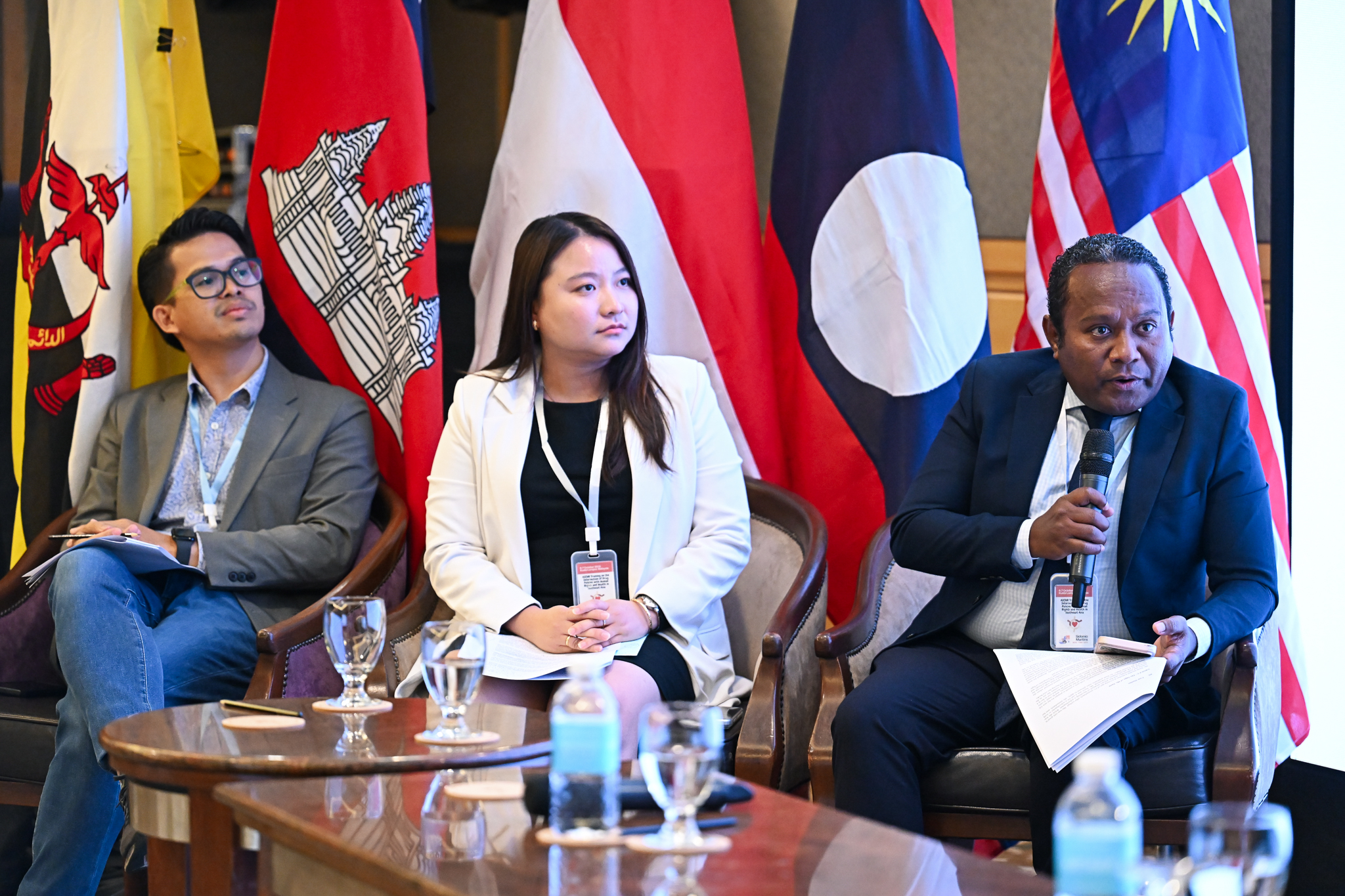
KUALA LUMPUR, 7 October 2025 – The ASEAN Intergovernmental Commission on Human Rights (AICHR) convened a pioneering “AICHR Training on the Intersection of Drug Policies with Human Rights and Health in Southeast Asia” on 6 and 7 October. Through open, robust, and constructive exchanges, the delegates considered the intersection of human rights, drug policy implementation and reform measures in Southeast Asia. The deliberations were conducted in the context of the ASEAN Work Plan on Securing Communities Against Illicit Drugs (2016-2025), which is due for renewal in 2026.
Since 1976, ASEAN has been committed to addressing drug abuse and trafficking through the ASEAN Declaration of Principles to Combat the Abuse of Narcotic Drugs and successive work plans under the ASEAN Ministerial Meeting on Drug Matters (AMMD) and the ASEAN Senior Officials Meeting on Drug Matters (ASOD). Building on these important efforts, the programme offered an opportunity for ASEAN government officials, human rights commissioners, experts, academics, medical practitioners, and civil society representatives to reflect on the human rights impact of punitive drug policies, as well as to deliberate on health-based and community-led approaches that have been emerging across the region.
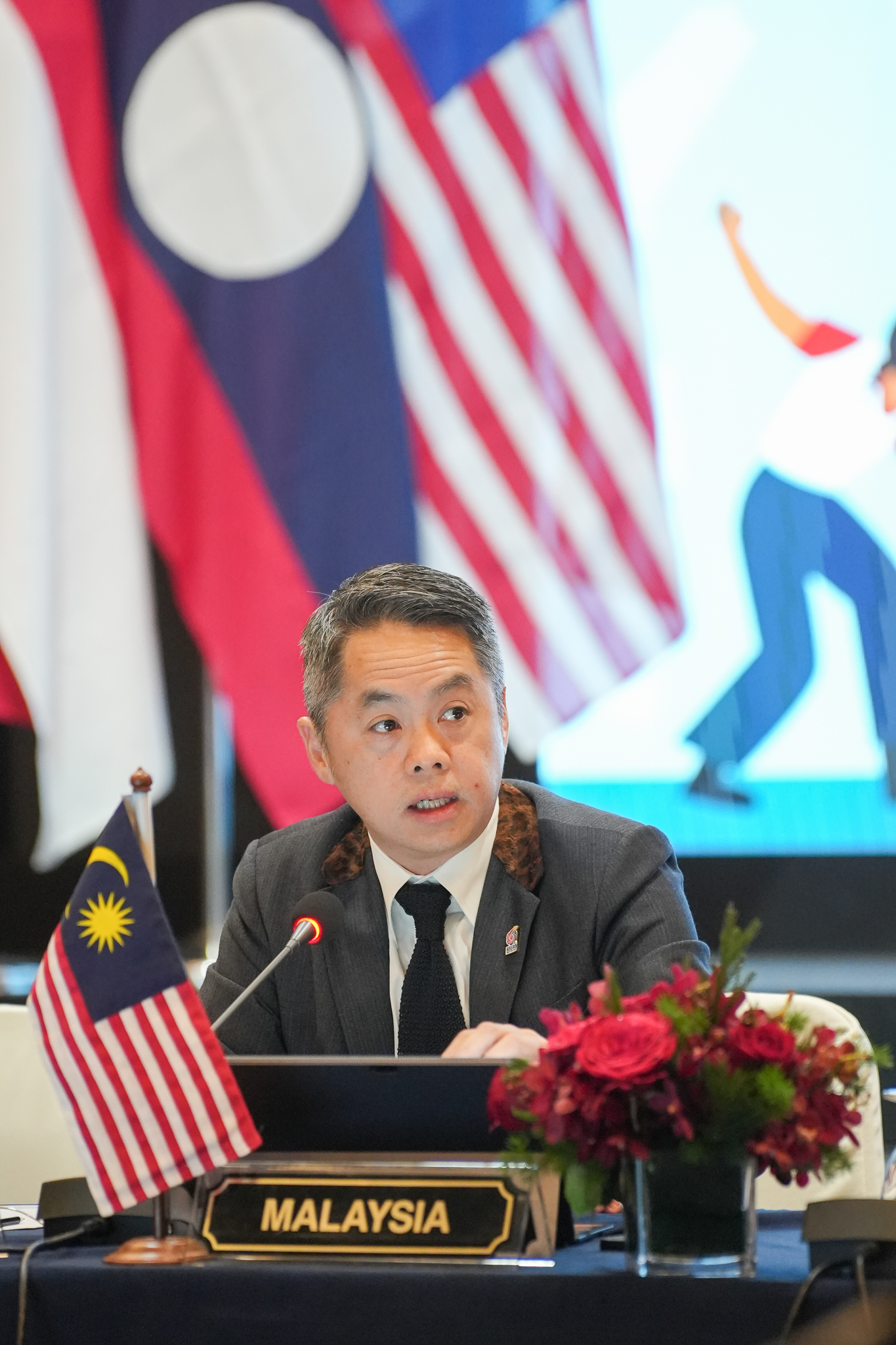
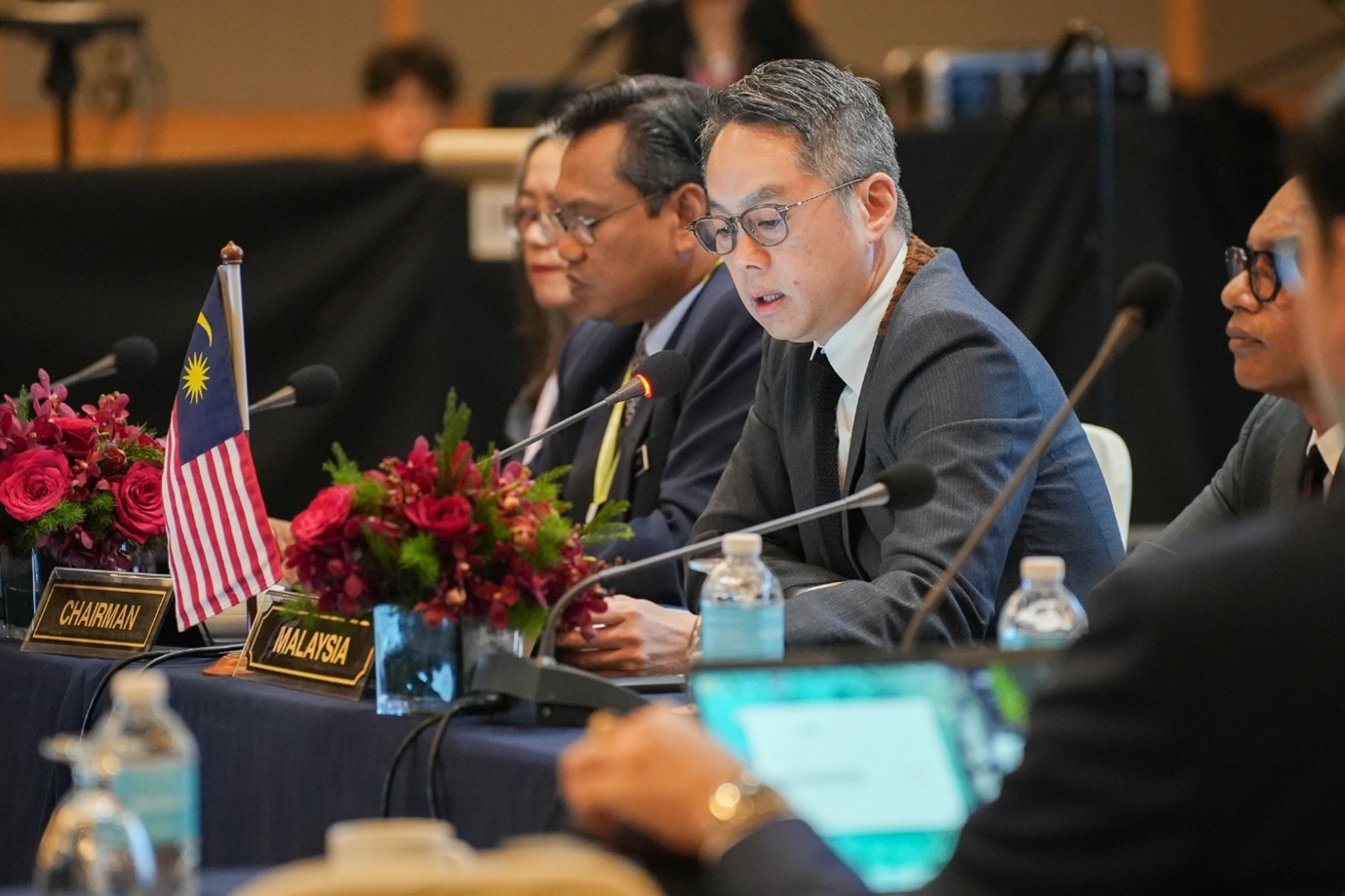
In his welcome remarks, H.E. Edmund Bon Tai Soon, AICHR Chair (2025) and Representative of Malaysia to AICHR, emphasised that the “war on drugs has not delivered on its promise of safety”, while it has had the effect of deterring access to essential health services and further discriminating against communities that are already at the margins of society. Highlighting that human rights mainstreaming calls for the adoption of non-discriminatory law and policy frameworks that restore and protect human dignity, he underscored the need for ASEAN Member States to “move away from the ‘us versus them’ approach” and instead re-centre health as a right.
He further called for a renewed focus on root causes and long-term resilience in drug control policies, building on the elements of prevention, enforcement, treatment and rehabilitation, research, alternative development and transnational cooperation – which are already enshrined in regional instruments – as tools to both protect future generations from the harm of drugs and oppose the negative impacts of drug control policies on health and human rights enjoyment.
A people-centred approach must also be preferred when designing and implementing drug control policies. “Governments cannot do this alone. We need meaningful cooperation with, and participation of, civil society – especially organisations led by people who use drugs, and by communities most affected. Their lived experience is not an optional add-on; it is essential evidence. If we want policies that work in the real world, we must build them with the people who live in the real world,” Bon added.
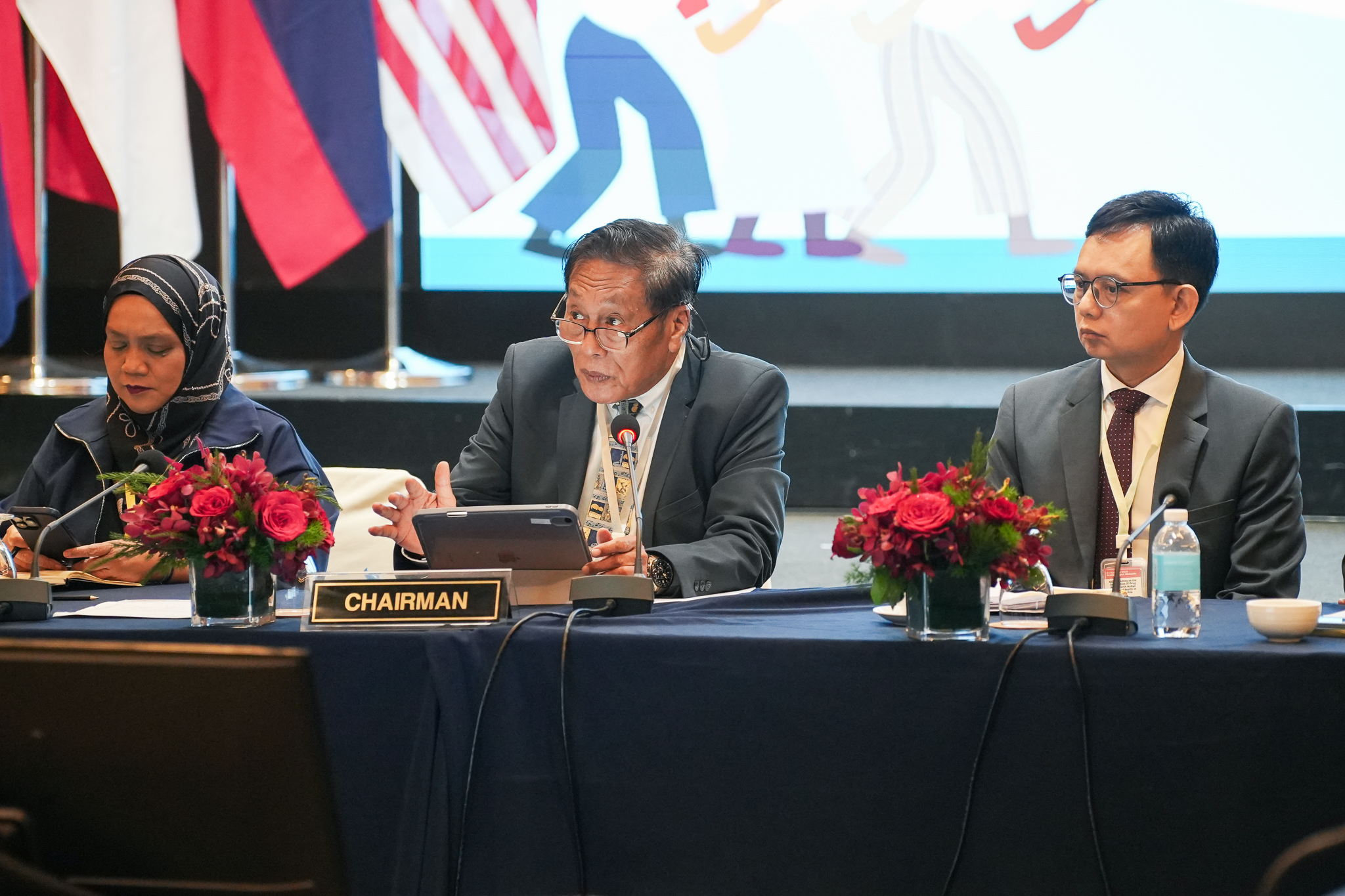
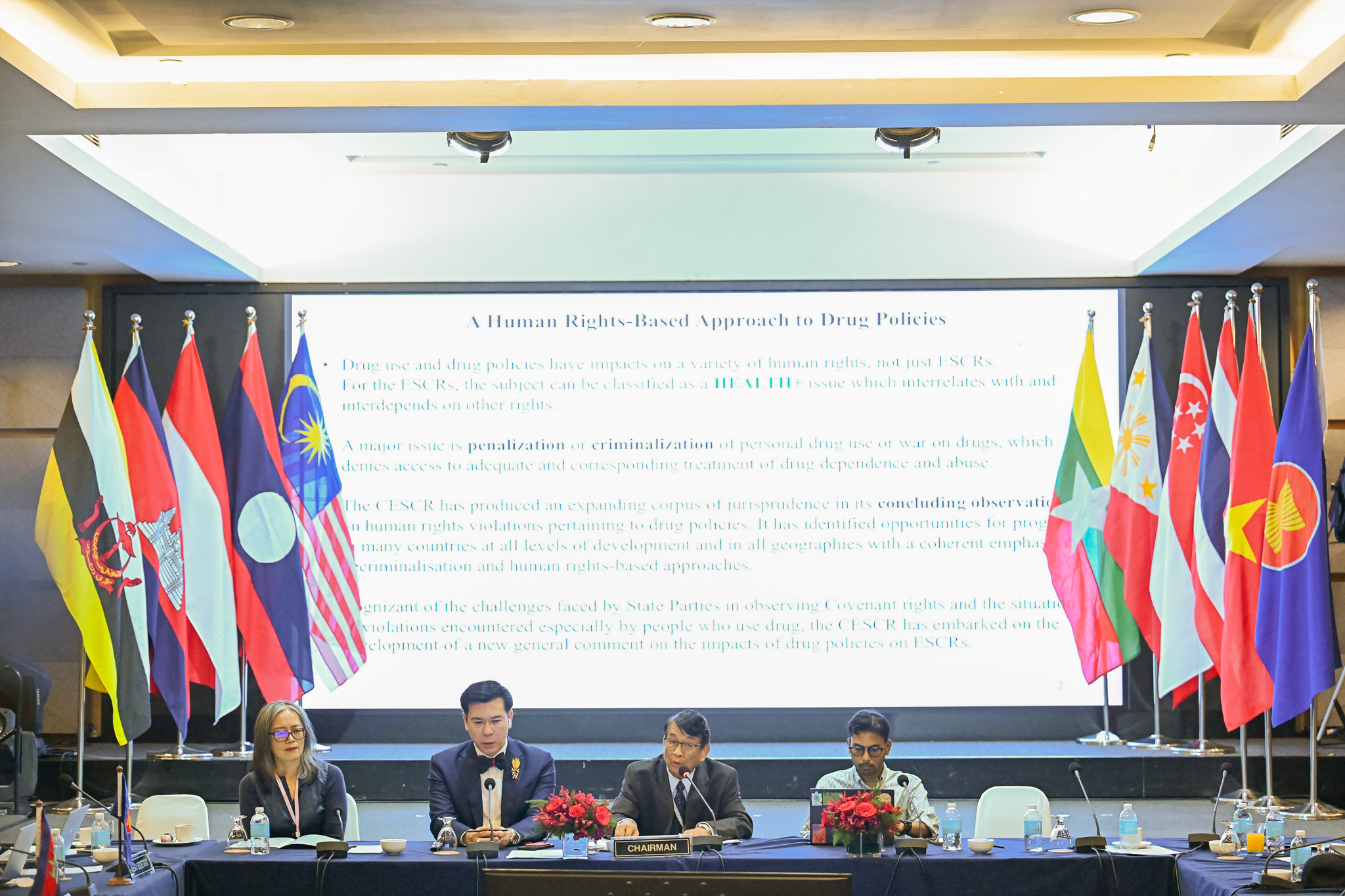
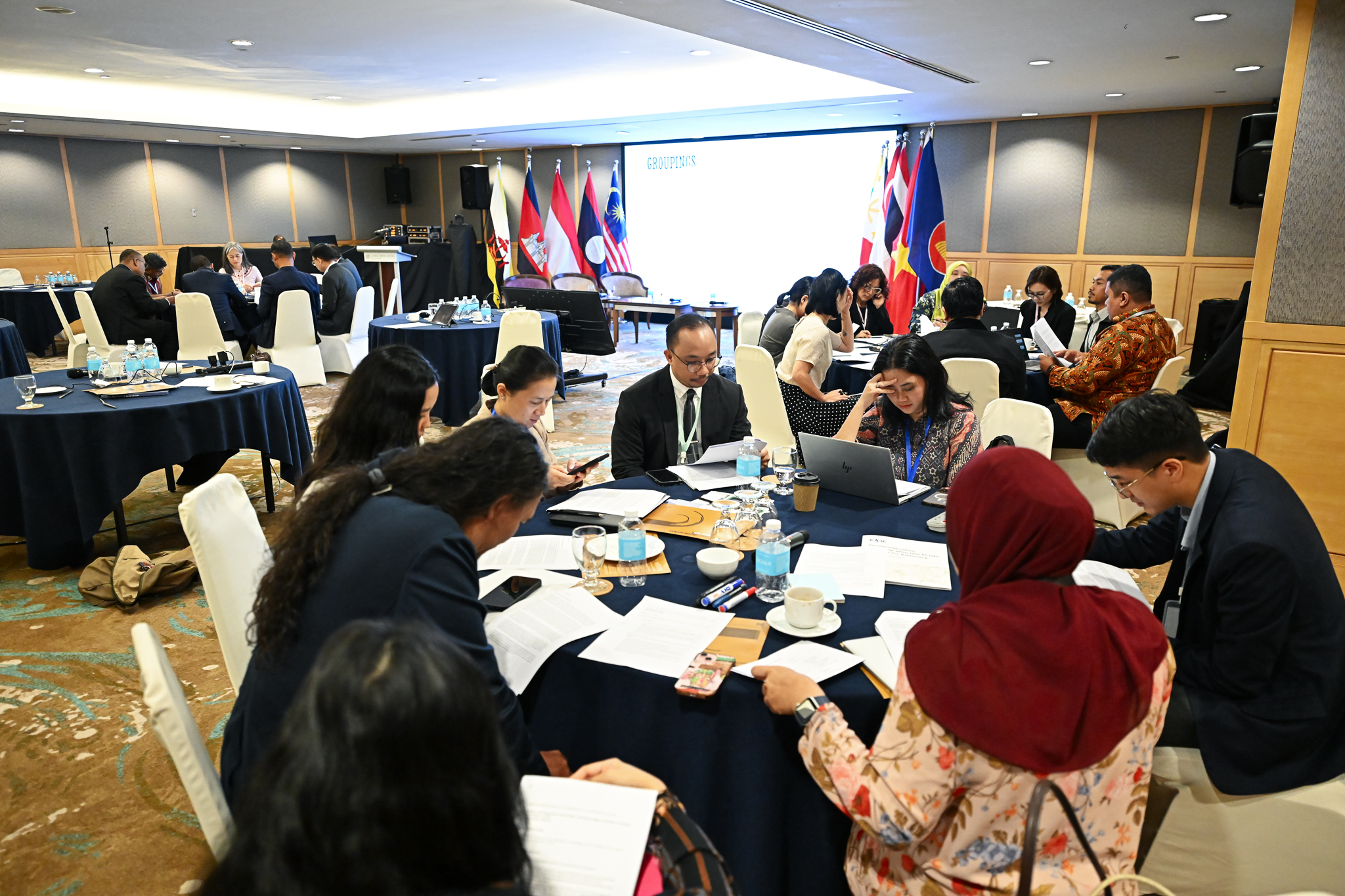
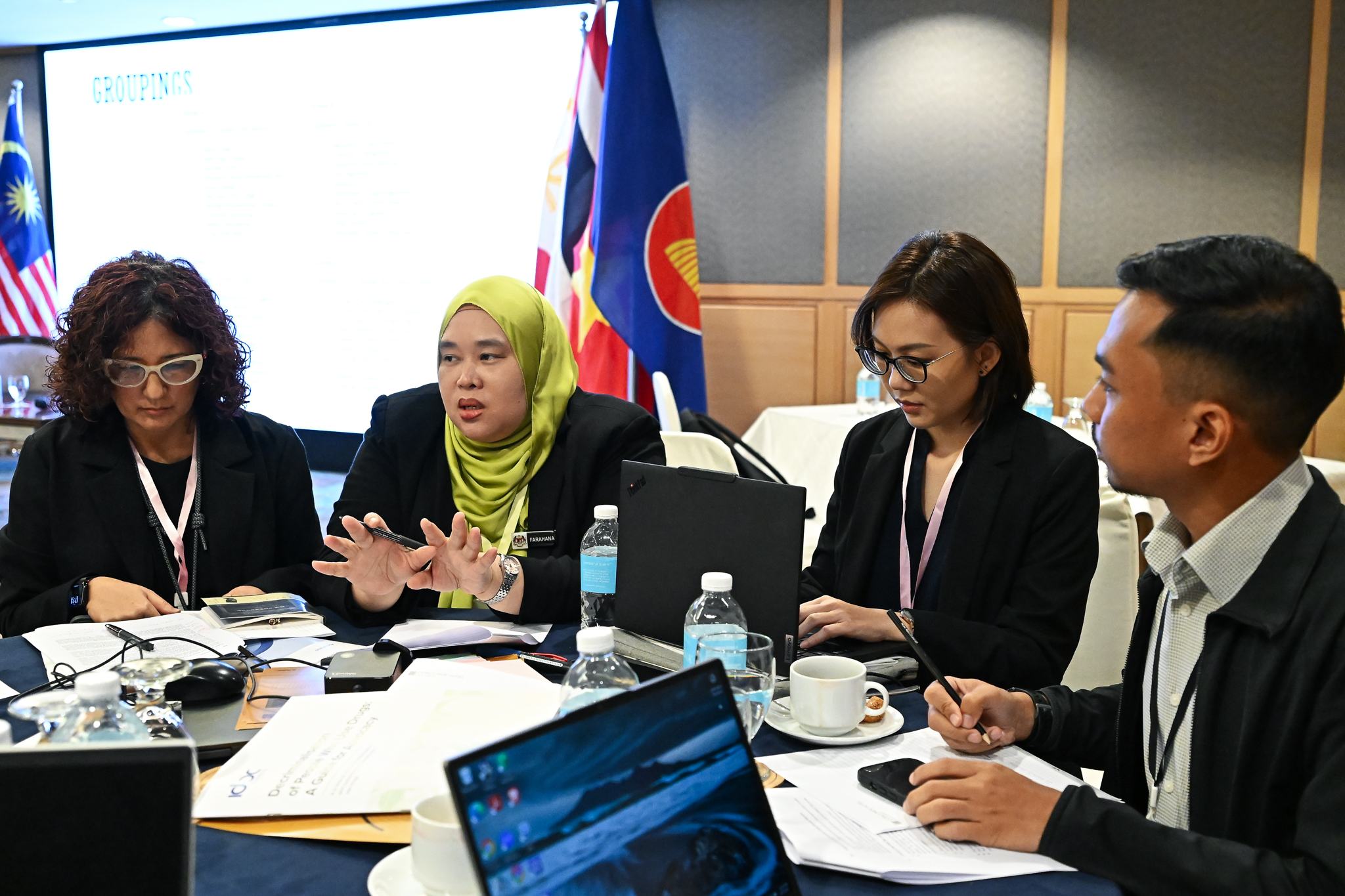
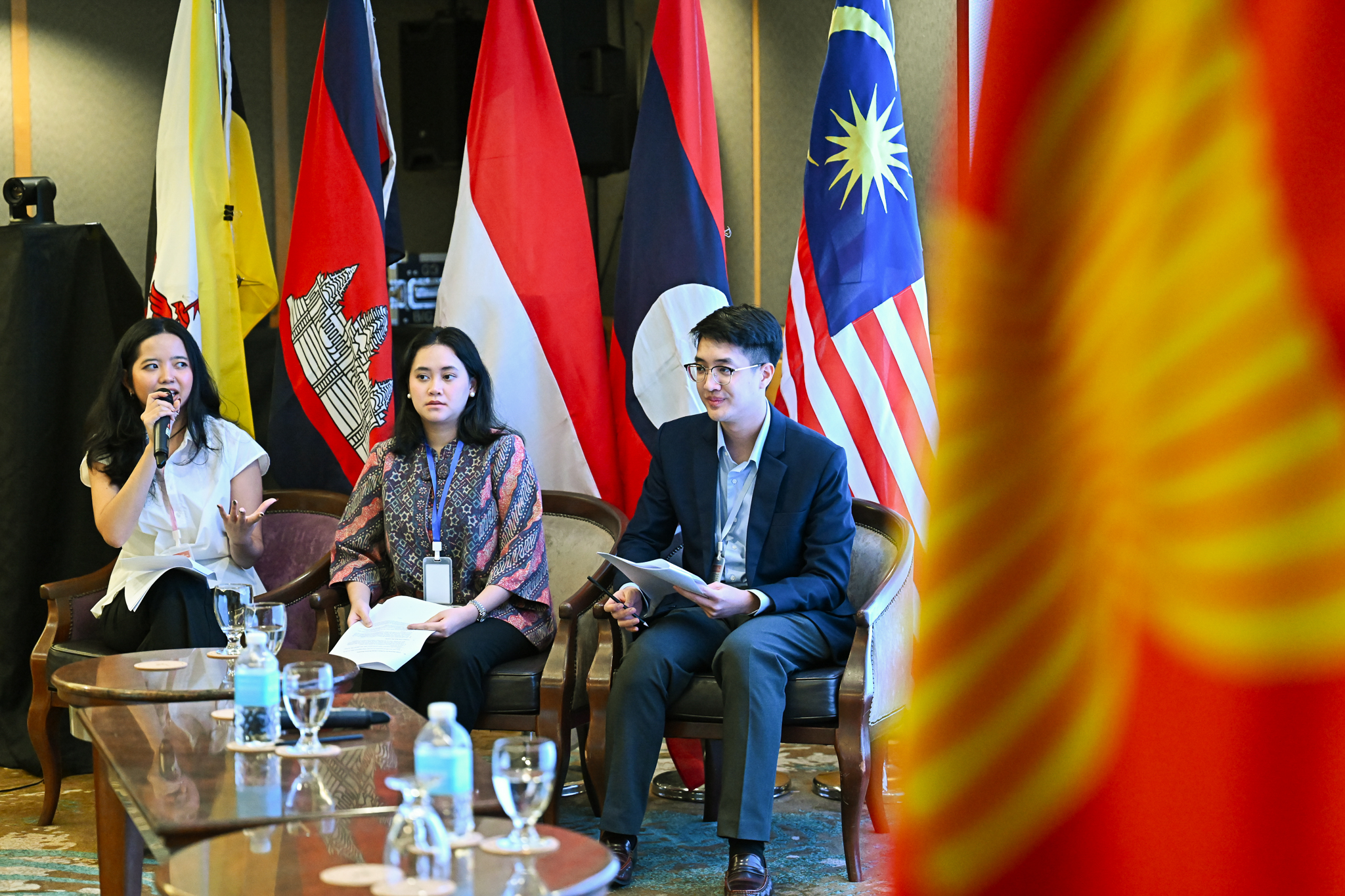
Panel discussions and breakout sessions surfaced pressing challenges, including the shifting and expanding drug markets and the spread of methamphetamine use, as well as the need for regional cooperation, corruption eradication and the enhancement of social development; the human rights violations linked with approaches that criminalise drug use and forced rehabilitation, affecting the rights to health, to an adequate standard of living, employment and social security; decriminalisation approaches already implemented in the ASEAN space and alternatives to incarceration; and intersectional discrimination impacting in particular people who use drugs and belong to groups in marginalised situations, including children, women deprived of liberty, and Indigenous Peoples, in the context of drug control policies implementation.
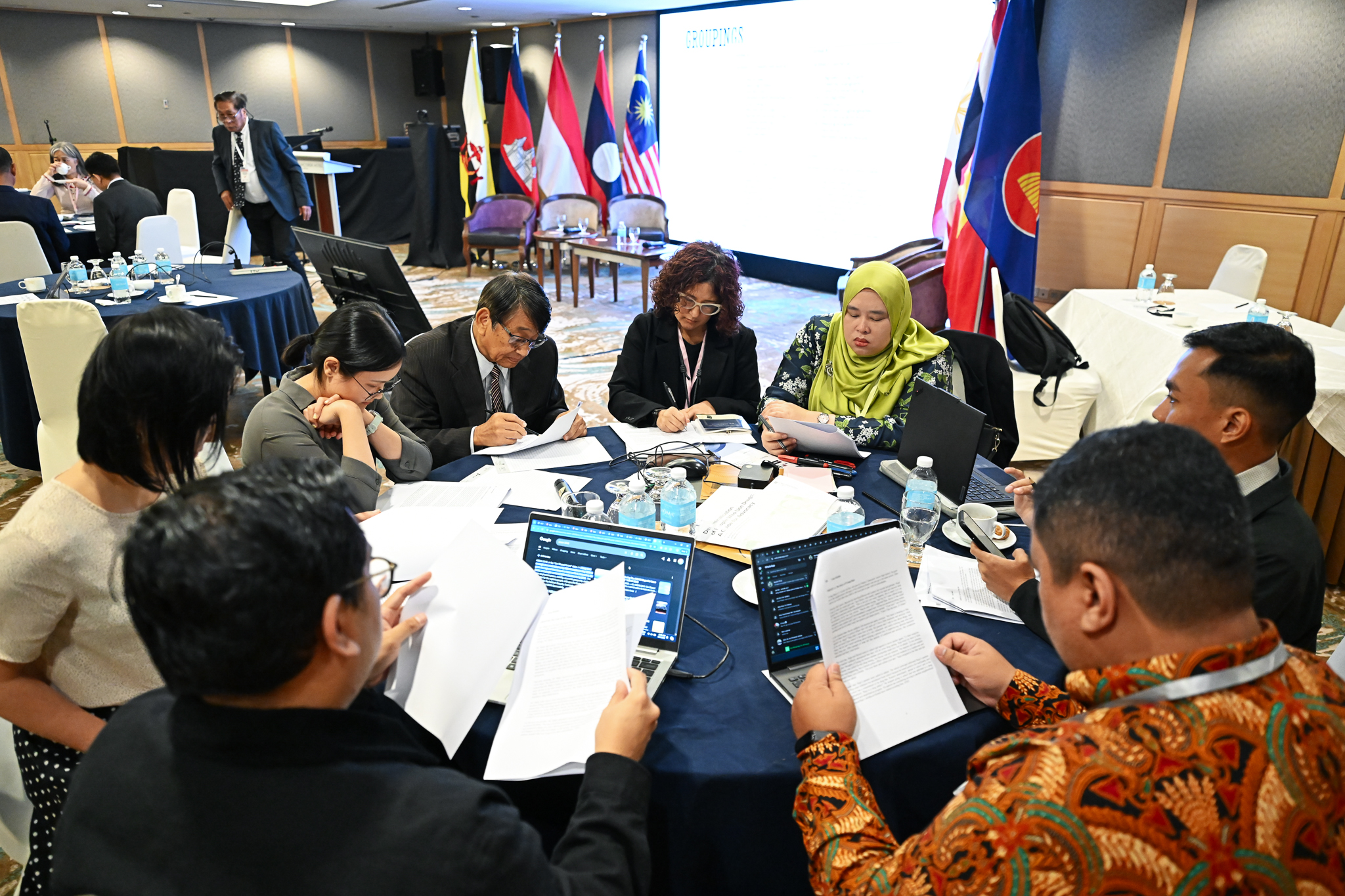
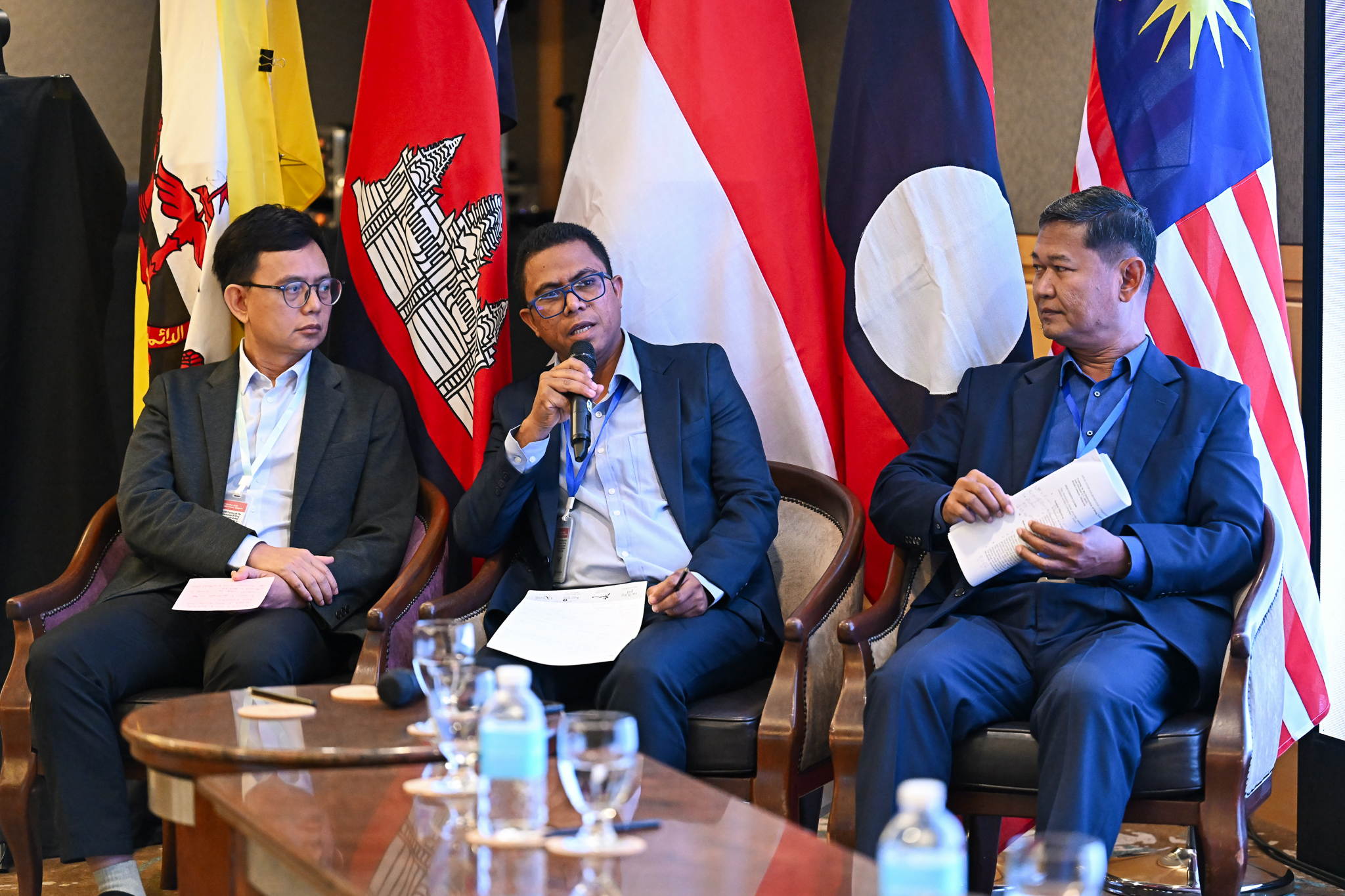
As the programme concluded, key areas to be considered for further deliberations and leadership by AICHR emerged, as follows:
- Adopt evidence-based and rights-centred frameworks that integrate health and social support with proportionate law enforcement, while also considering transnational crimes and the realities of countries in the region.
- Institutionalise community and civil society participation, particularly of people who use drugs, in policy design, implementation and evaluation.
- Enhance inter-sectoral cooperation among health, justice, and human rights bodies, including coordination through ASEAN mechanisms such as AICHR, ASOD, ASEAN Senior Officials Meeting on Transnational Crime (SOMTC) and ASEAN Senior Officials Meeting on Health Development (SOMHD), with a focus on the protection of the rights of women and children, and as part of ASEAN’s next work plan on drugs.
- Strengthen regional research and data-sharing to assess the impact of drug policies and inform harm reduction programming.
- Address socio-economic root causes such as poverty, discrimination, the impact of criminal records and lack of access to education, employment and healthcare that drive vulnerability to drug use and trafficking.
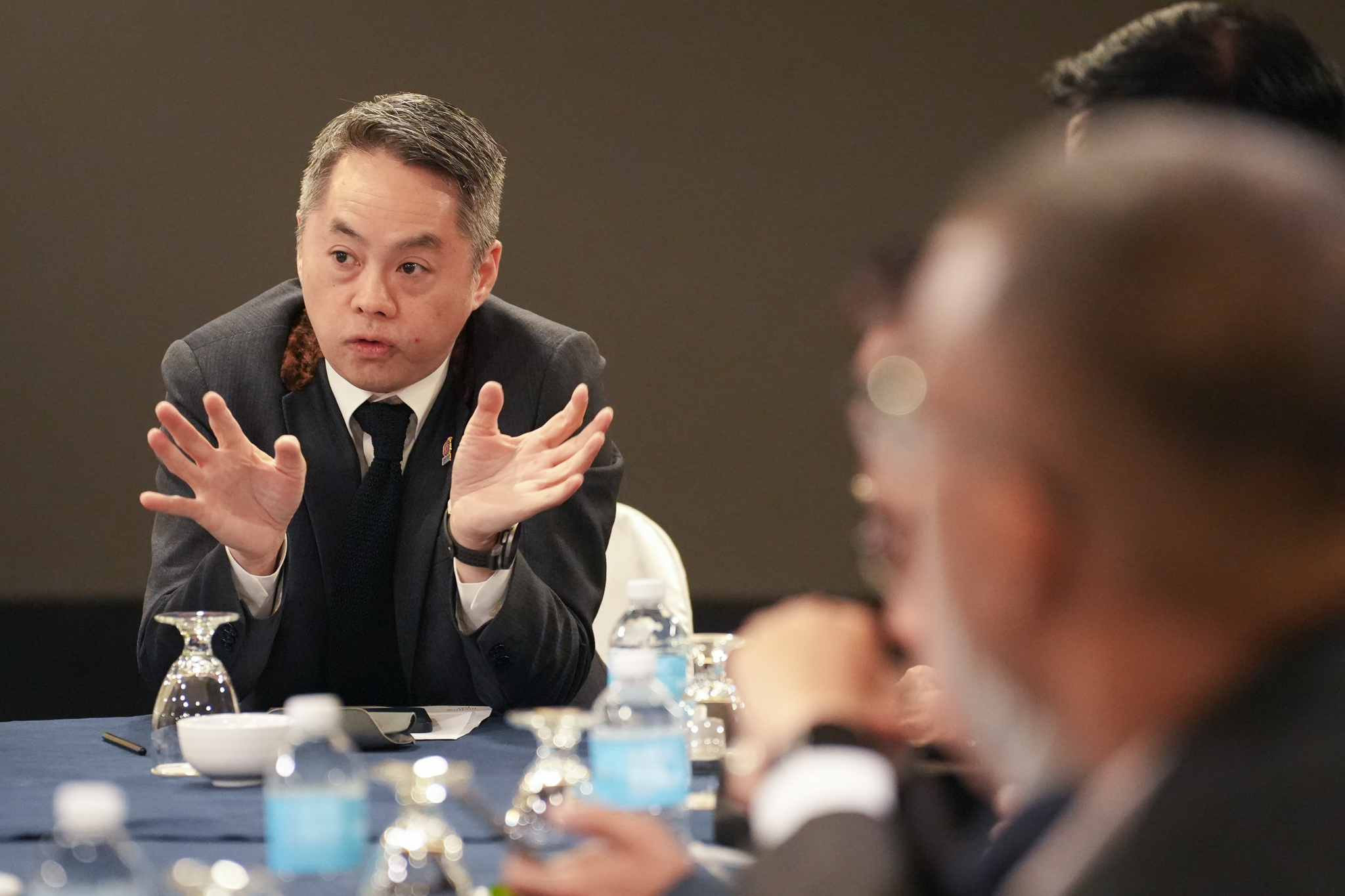
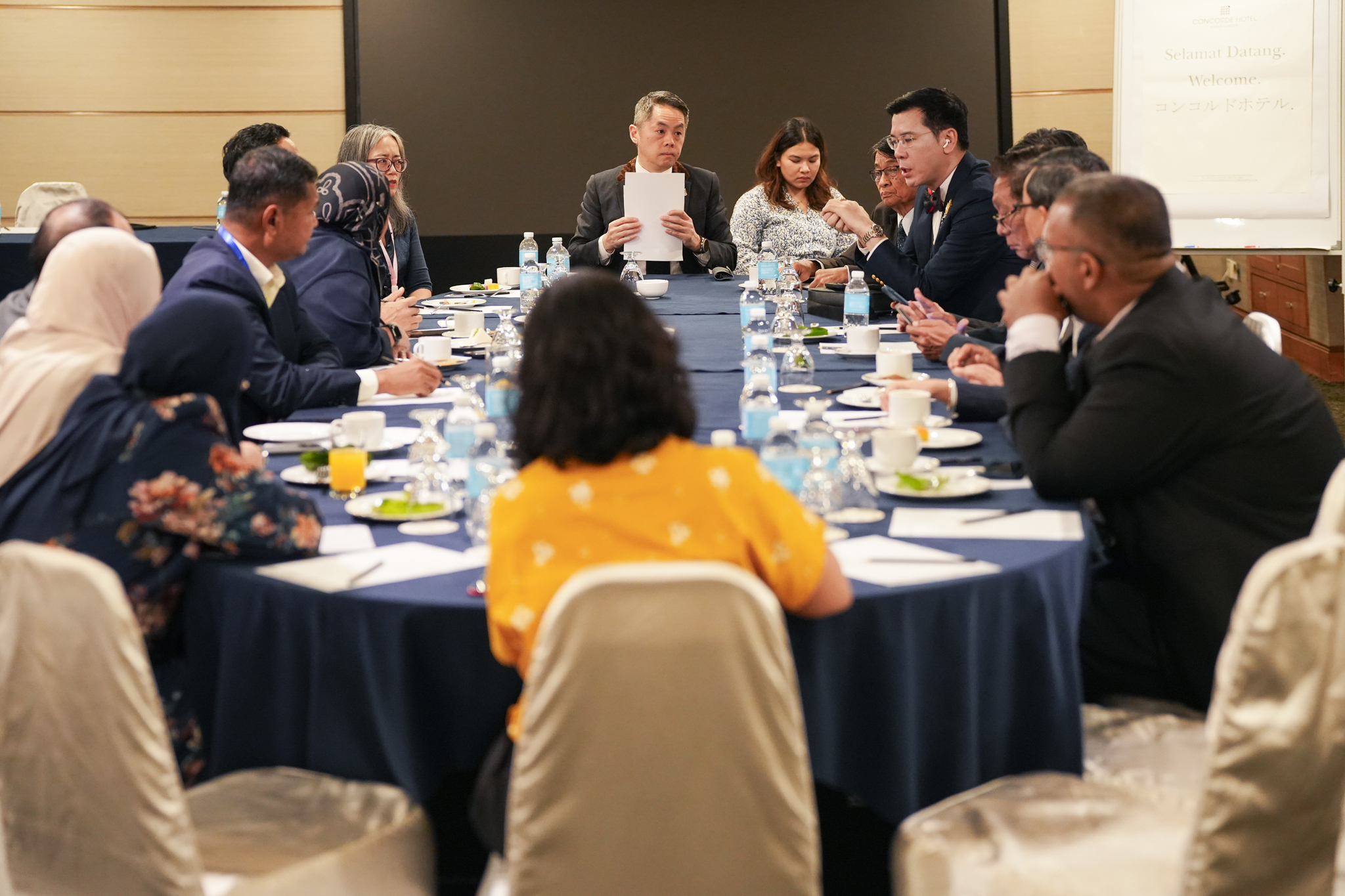
The two-day programme brought together representatives from AICHR, ASEAN Member States, ASEAN sectoral bodies including ASOD, SOMTC, SOMHD, and international and regional experts on drug policies, health and human rights, such as Dr. Seree Nonthasoot, member of the United Nations Committee on Economic, Social and Cultural Rights (CESCR), and officers from the United Nations Office on Drugs and Crime (UNODC), among others. At the sidelines of the training, Bon hosted a meeting with representatives in attendance from AICHR, ASOD, SOMTC, SOMHD, experts, and civil society to explore potential areas of cooperation on ASOD’s upcoming work plan.
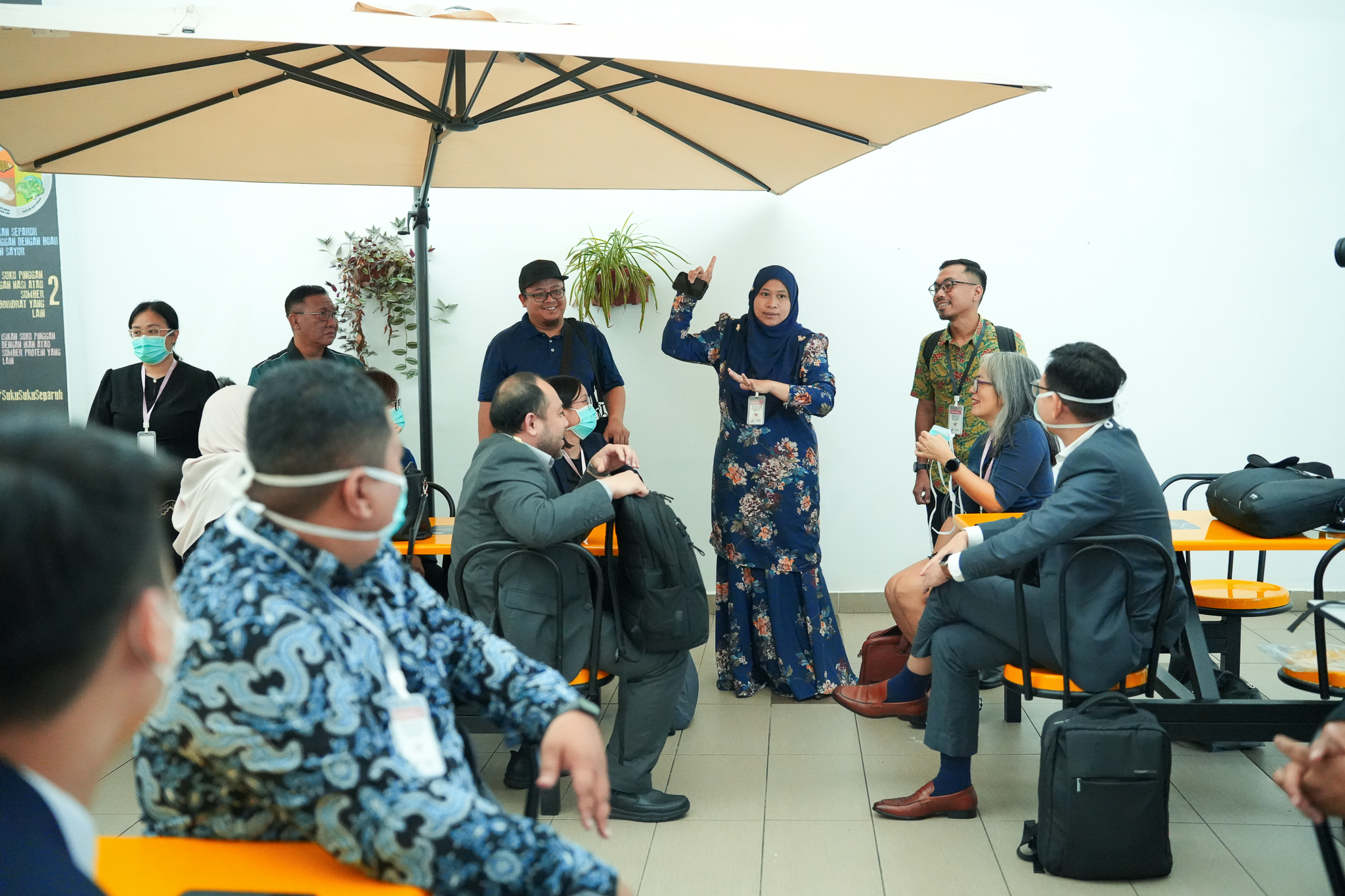
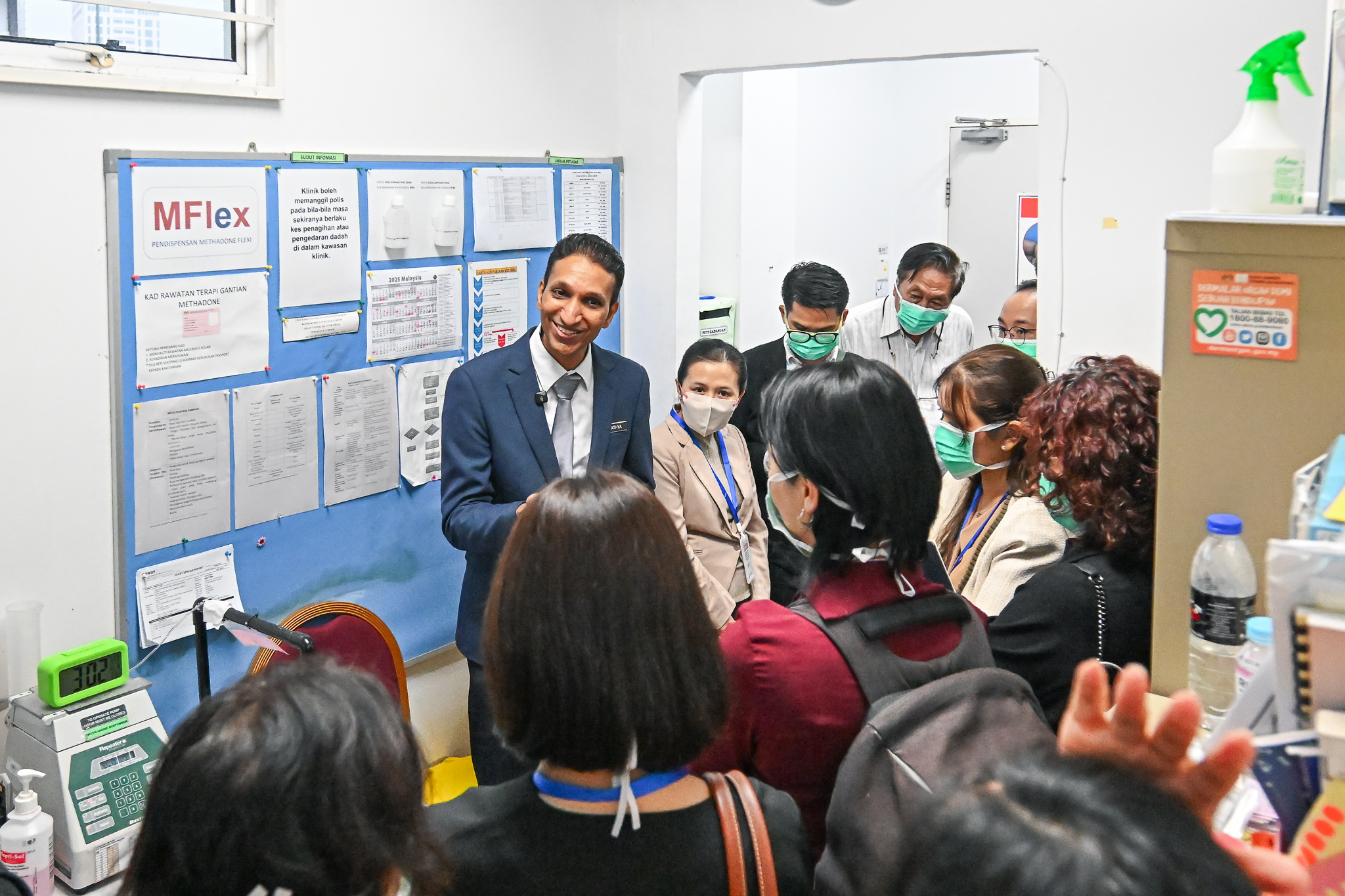
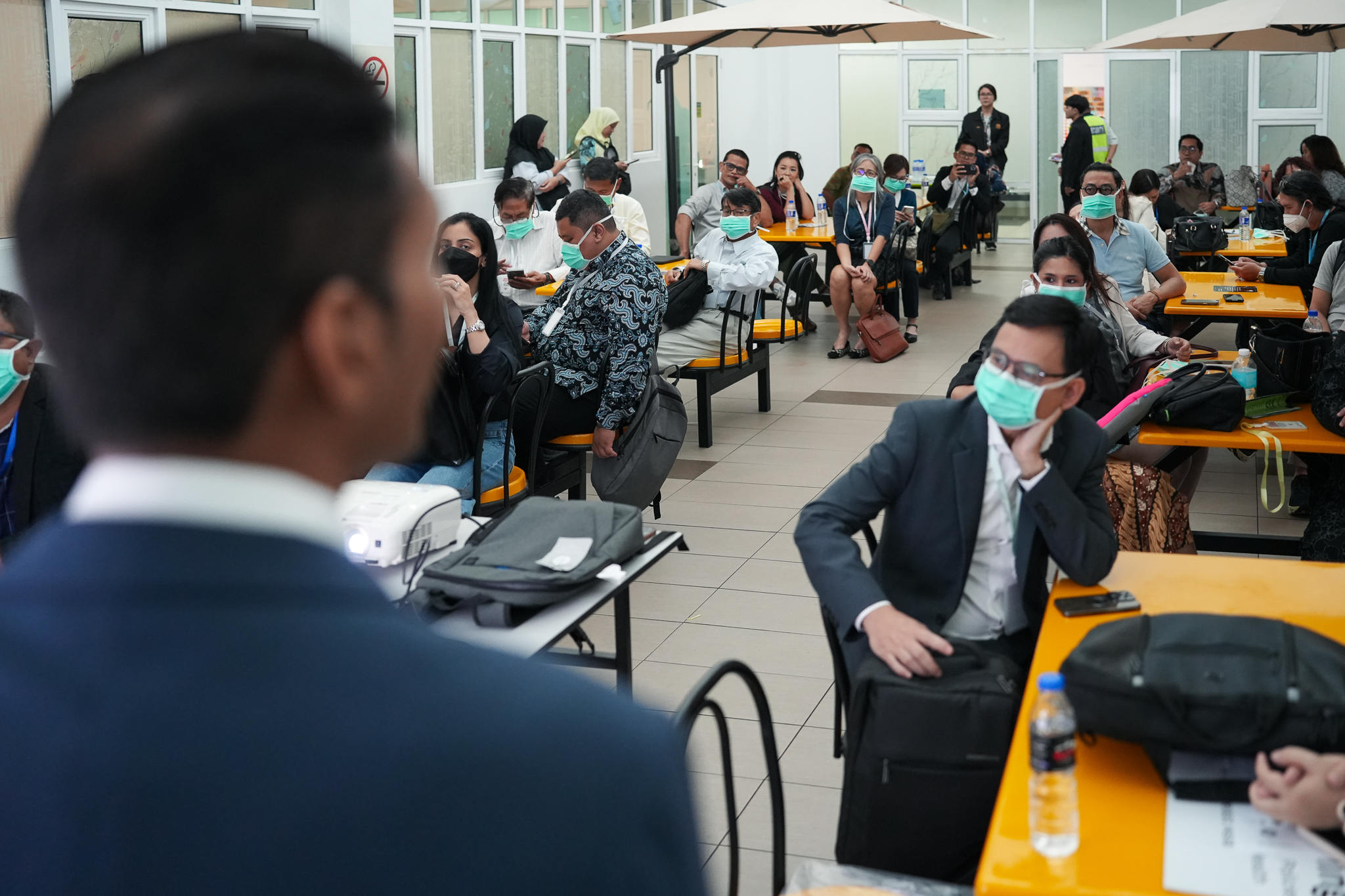
To highlight a practical model of integrated, community-based care in Malaysia, delegates also travelled to engage with medical professionals at the Kuala Lumpur Health Clinic (Klinik Kesihatan Kuala Lumpur) and Kabin Harapan, a public health service platform. The latter is operated by Persatuan Insaf Murni Malaysia (PIMM), a non-governmental organisation, in partnership with the Ministry of Health Malaysia and the Malaysian AIDS Council. They combine harm reduction, primary healthcare, and social reintegration in one accessible setting. The site visit gave delegates a close look at how Malaysia is gradually shifting from a punitive approach toward a more health- and community-oriented response. While resources have been limited and the stigmatisation of drug use remains prevalent, this model showed that a different approach is possible.
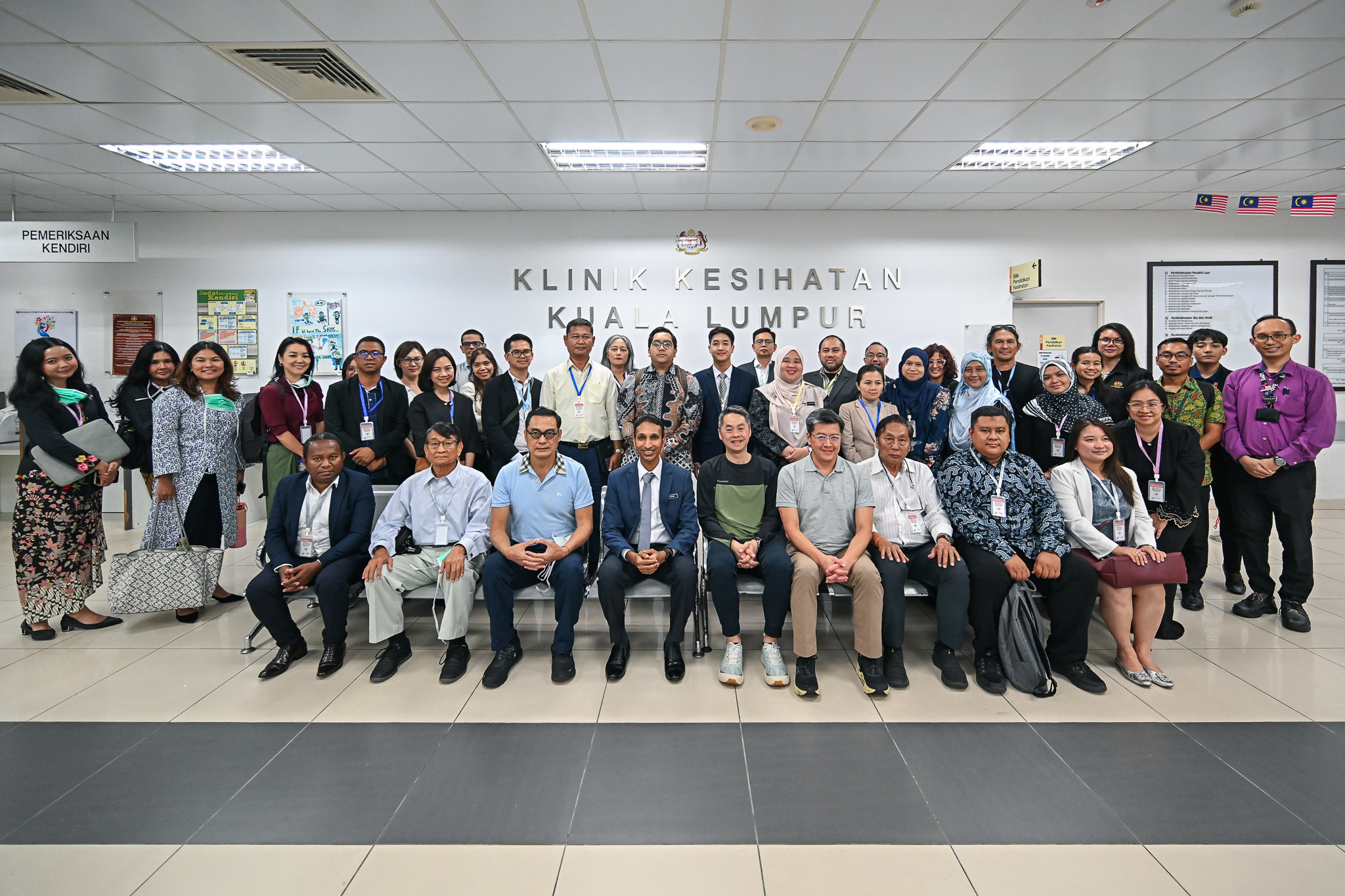
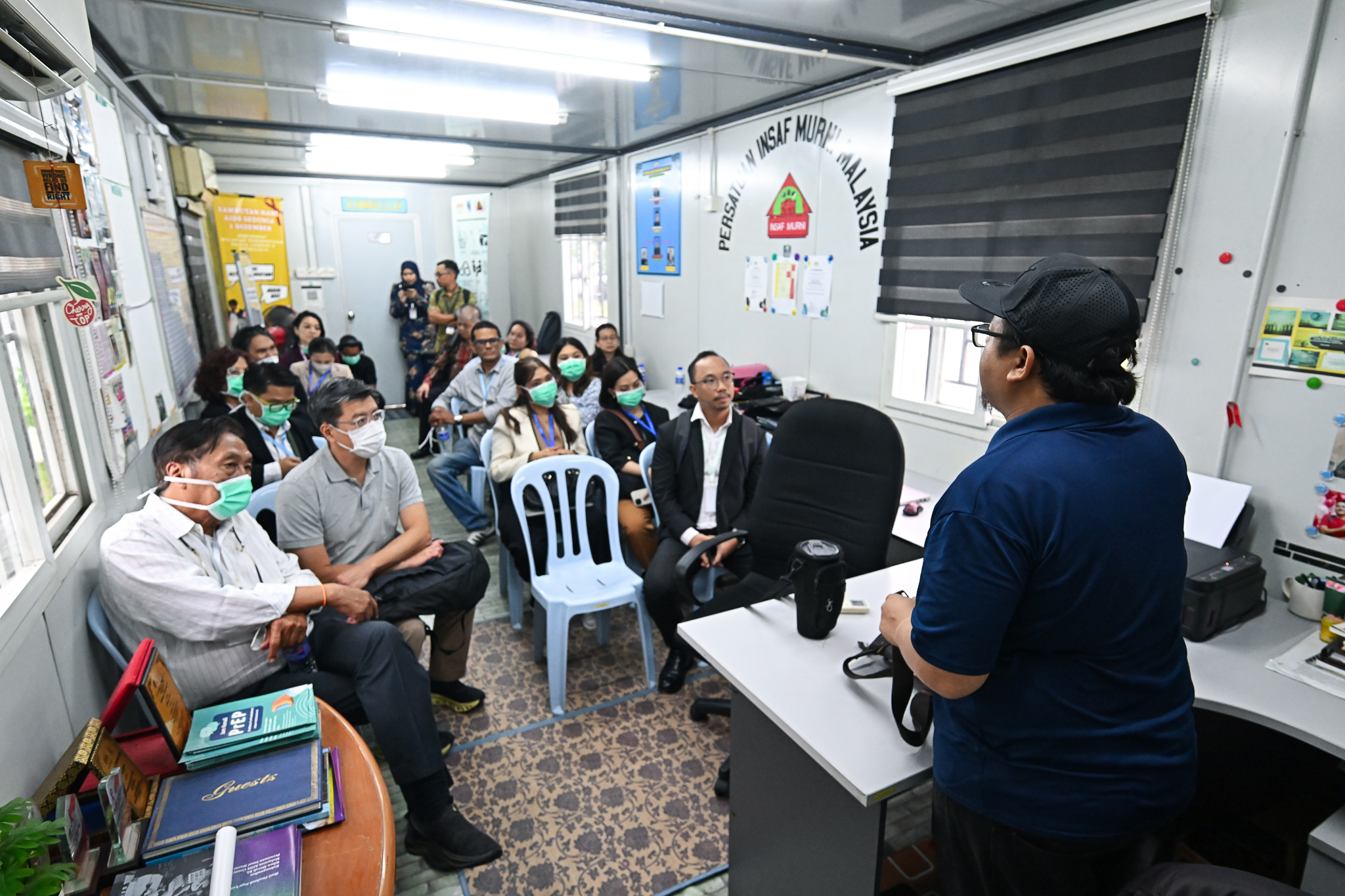
This AICHR training was led by Bon as the Representative of Malaysia to AICHR and furthers Malaysia’s 2025 ASEAN agenda of inclusivity and sustainability. It was organised in collaboration with the International Drug Policy Consortium (IDPC), Harm Reduction International (HRI), Drug Policy Program Malaysia (DPPM), and PIMM. It was also supported by ASEAN Member States through the ASEAN AICHR Fund and Switzerland.
Click here for more photos from the programme and here for photos from the site visit.