AICHR consults stakeholders to strengthen and integrate gender-responsive approaches in business and human rights
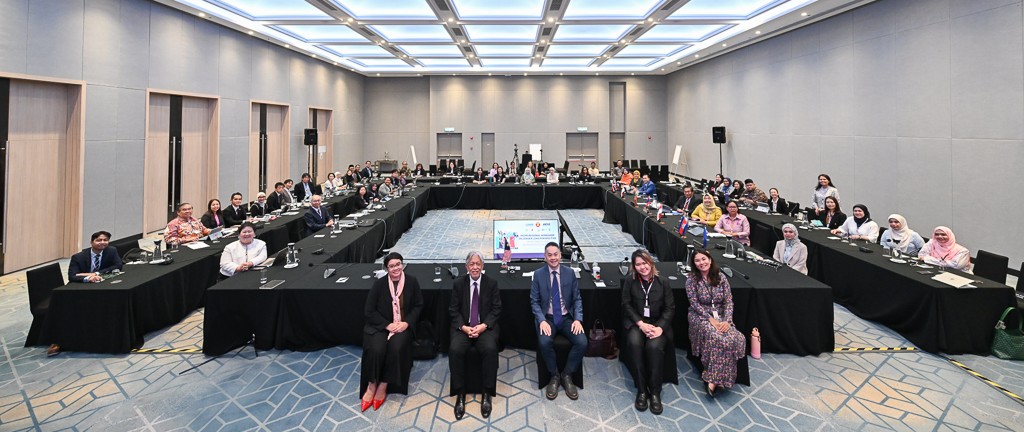
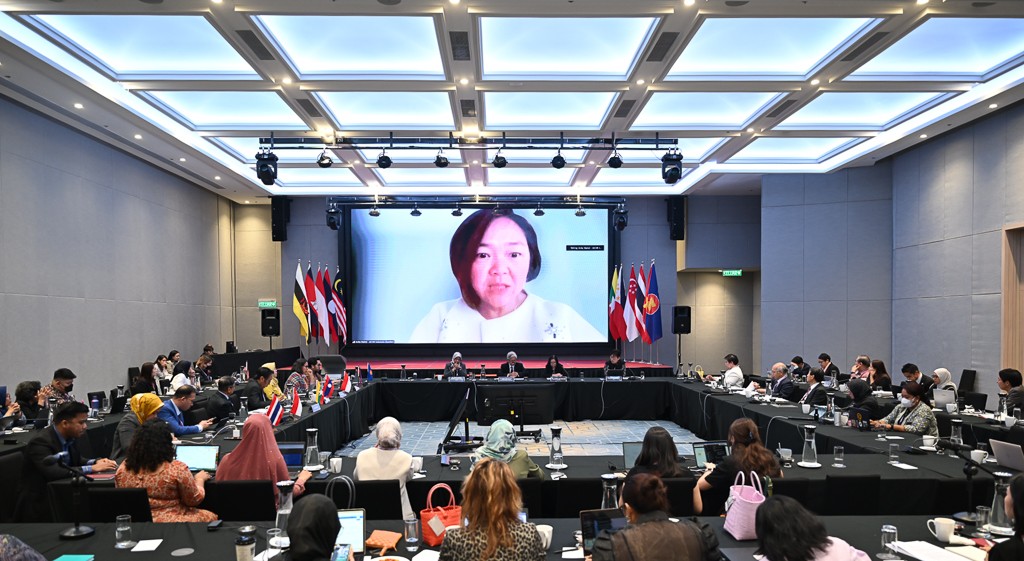
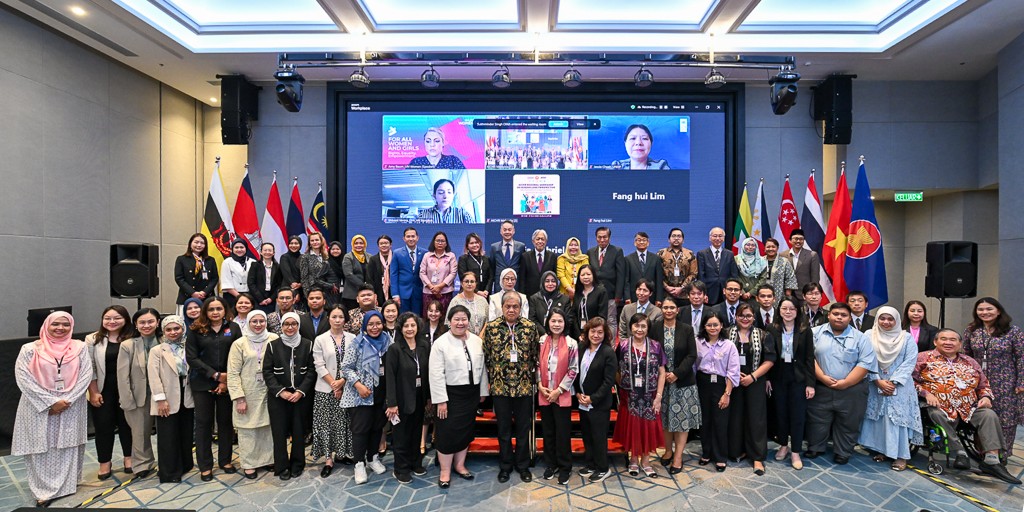
KUALA LUMPUR, 1 July 2025 – Led by Malaysia as the Chair of ASEAN, the ASEAN Intergovernmental Commission on Human Rights (AICHR) organised the AICHR Regional Consultation on Gender Lens Perspective on Business and Human Rights in ASEAN from 30 June to 1 July 2025.
The two-day meeting, conducted in a hybrid format, brought together over 80 delegates from AICHR, ASEAN Sectoral Bodies such as the ASEAN Commission on the Promotion and Protection of the Rights of Women and Children (ACWC) and Senior Economic Officials Meeting (SEOM), national human rights institutions (NHRIs), the private sector, and civil society organisations (CSOs).
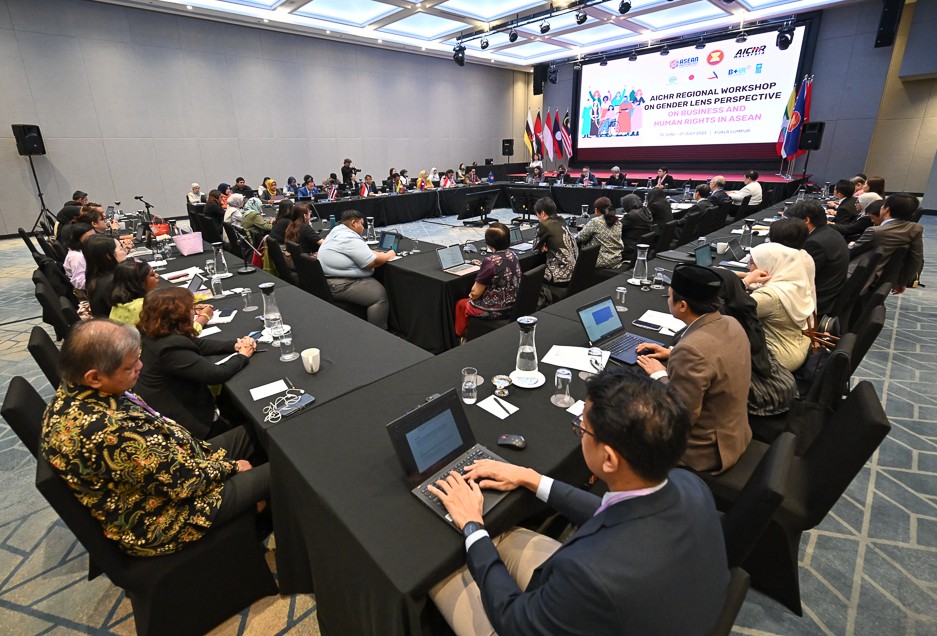
The consultation aimed to identify best practices and challenges in promoting gender-responsive business conduct while exploring pathways towards an ASEAN approach on gender lens integration in business and human rights matters. Delegates also discussed strategies to mainstream human rights and gender inclusivity aligned with ASEAN 2045: Our Shared Future and Guiding Principles on Business and Human Rights: Implementing the United Nations ‘Protect, Respect and Remedy’ Framework (UNGPs).
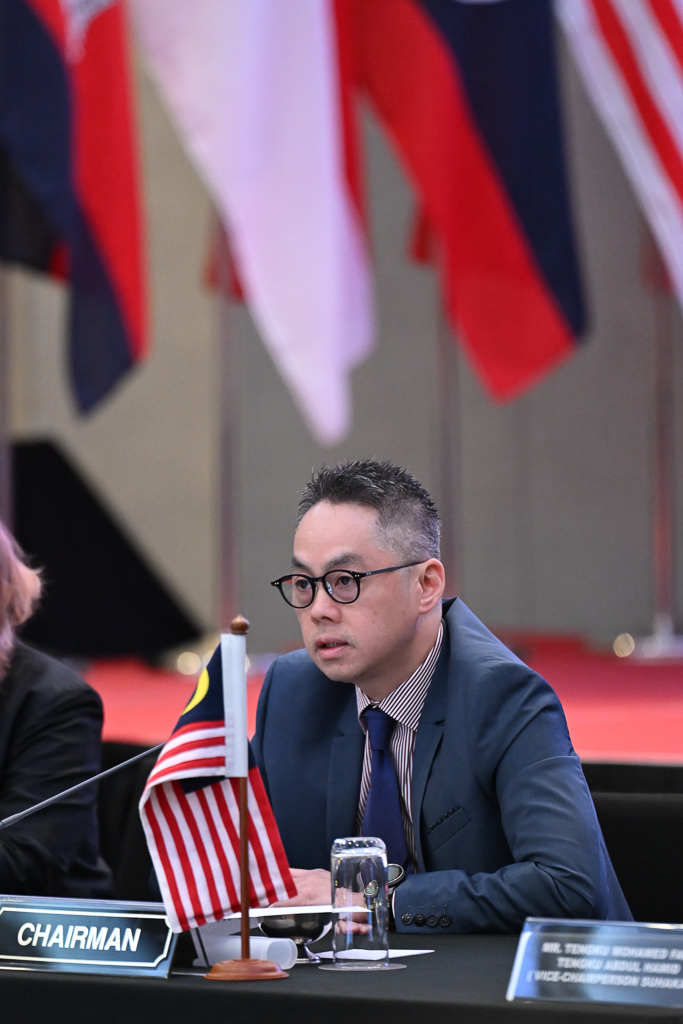
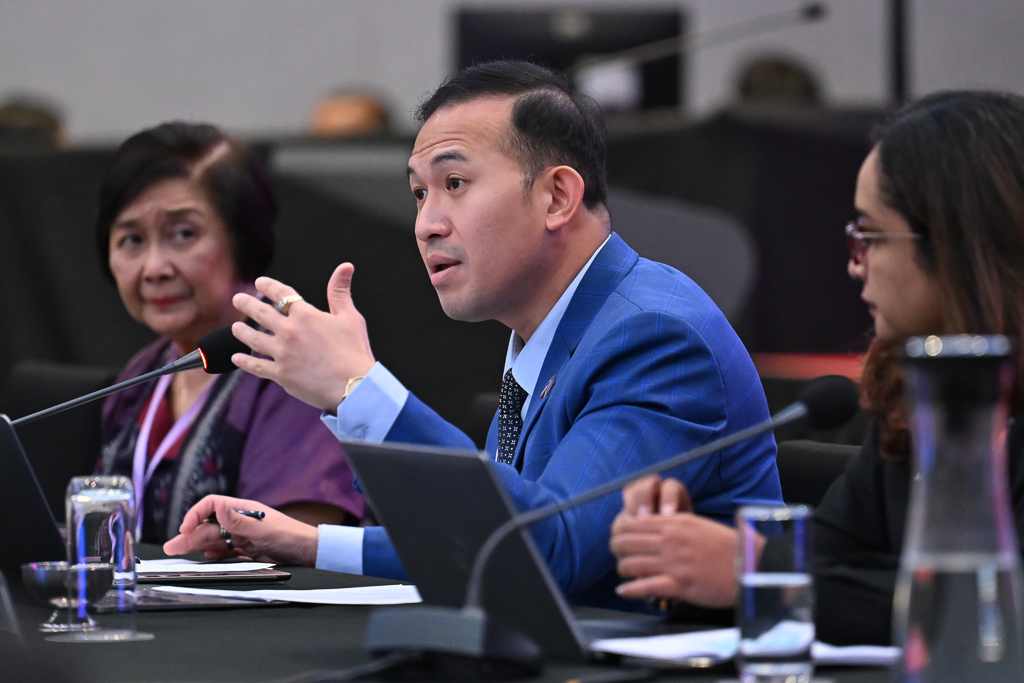
In his opening remarks, Edmund Bon Tai Soon, AICHR Chair and Representative of Malaysia to AICHR, emphasised that the consultation builds on ASEAN’s growing momentum to integrate gender equality as a foundational pillar of the region’s rights-based development. He stated that gender equality is a right, not a favour, and highlighted the persistent structural and cultural barriers that continue to marginalise women and girls in the region, particularly those from marginalised and vulnerable communities.
“Business and human rights are not solely about trade regulations or governance. They impact people, especially women and girls from groups in vulnerable and marginalised situations. Their voices have often been excluded from decision making and they face real, disproportionate harms”, Bon said.
Given ASEAN’s 2045 aspirations to enhance the institutional capacity and effectiveness of its mechanisms to be more future-ready in addressing challenges, Bon called for an acceleration of efforts to address gender-based barriers, tackle structural and cultural discrimination, and strengthen the protection of the human rights of women and girls.
He underscored the need for ASEAN to evolve to ensure that its frameworks “reflect the lived realities of women and girls in our region and that they are not treated as an afterthought in economic growth”.

Delivering the keynote address, Dr. Pichamon Yeophantong, Chairperson of the United Nations Working Group on Business and Human Rights, highlighted AICHR’s norm-setting role in convening dialogues on business and human rights, and how ASEAN can position itself as a global norm-setter to complement ASEAN Centrality.
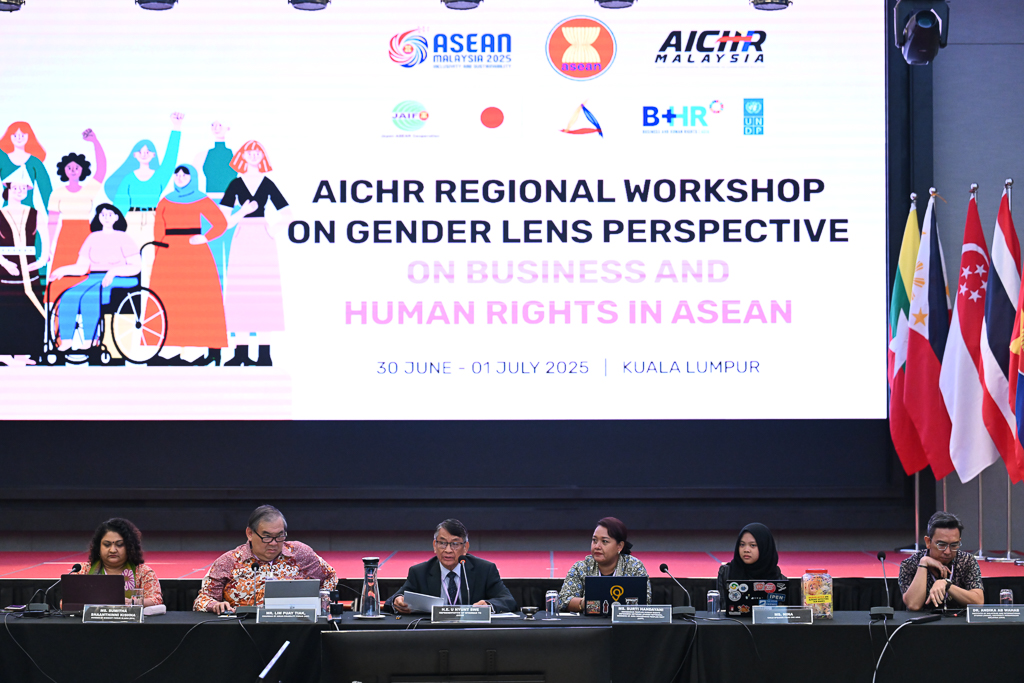
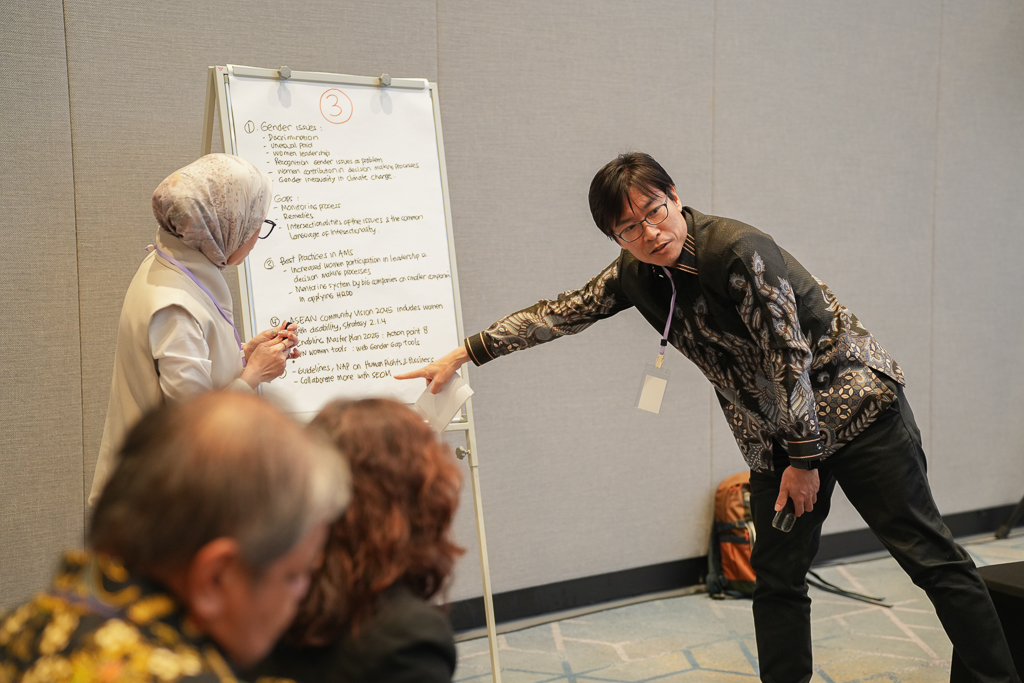
The consultation, conducted with the support of expert resource persons, unpacked gender dimensions in business and human rights, and mapped practical entry points to integrate gender into business operations and mechanisms. Panellists representing the voices of indigenous peoples, persons with disabilities, migrant workers, and children’s rights advocates were heard. Delegates also deliberated on State-led policies and private sector business practices, including human rights due diligence (HRDD) and access to effective remedies mechanisms.
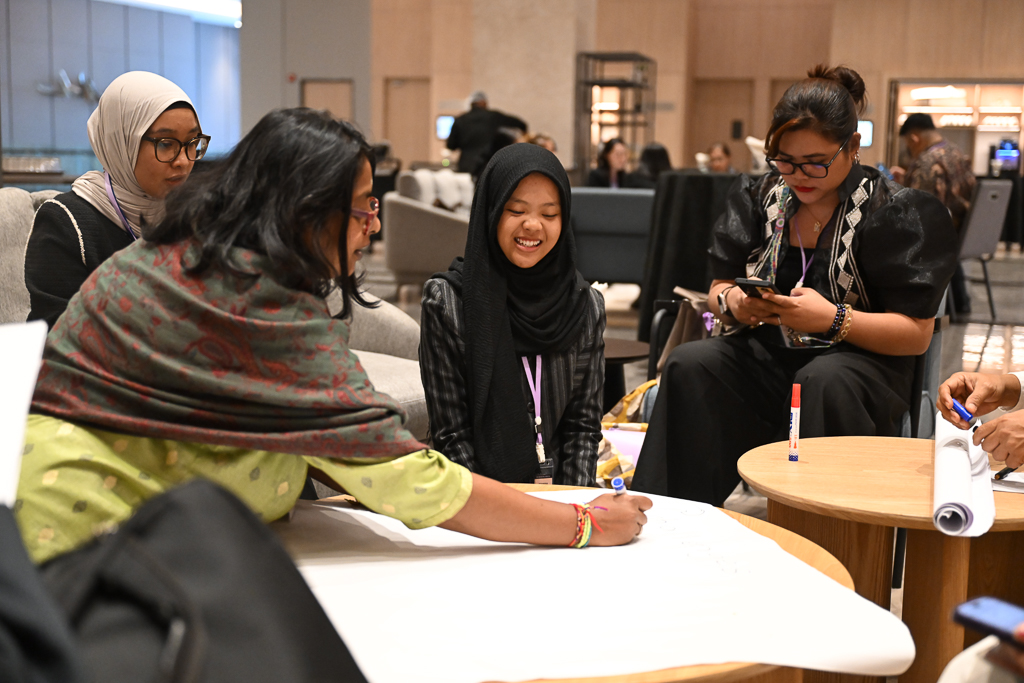

Facilitating collaborative ideation of ways forward, delegates huddled and provided key recommendations as follows, among others:
- Develop national and regional HRDD guidance with gender indicators.
- Establish regional data-sharing and reporting tools including a regional monitoring and evaluation framework for gender impact assessment.
- Enhance capacity building for regulators, businesses and CSOs.
- Institutionalise an ASEAN multistakeholder platform for meaningful dialogue and accountability.
- Create a cross-sectoral mechanism among AICHR, ACWC, and other relevant stakeholders, to address issues of gender discrimination in businesses.
- Align national frameworks with international standards such as the United Nations Convention on the Elimination of All Forms of Discrimination Against Women (CEDAW), UNGPs, and the Organisation for Economic Co-operation and Development (OECD) Guidelines for Multinational Enterprises on Responsible Business Conduct.
The consultation advances the inclusivity and sustainability agenda of ASEAN in 2025. It was organised in collaboration with the Human Rights Commission of Malaysia (SUHAKAM) and supported by Japan through the Japan-ASEAN Integration Fund (JAIF).
Click here for more photos of the Consultation.